
Last updated November 22, 2026
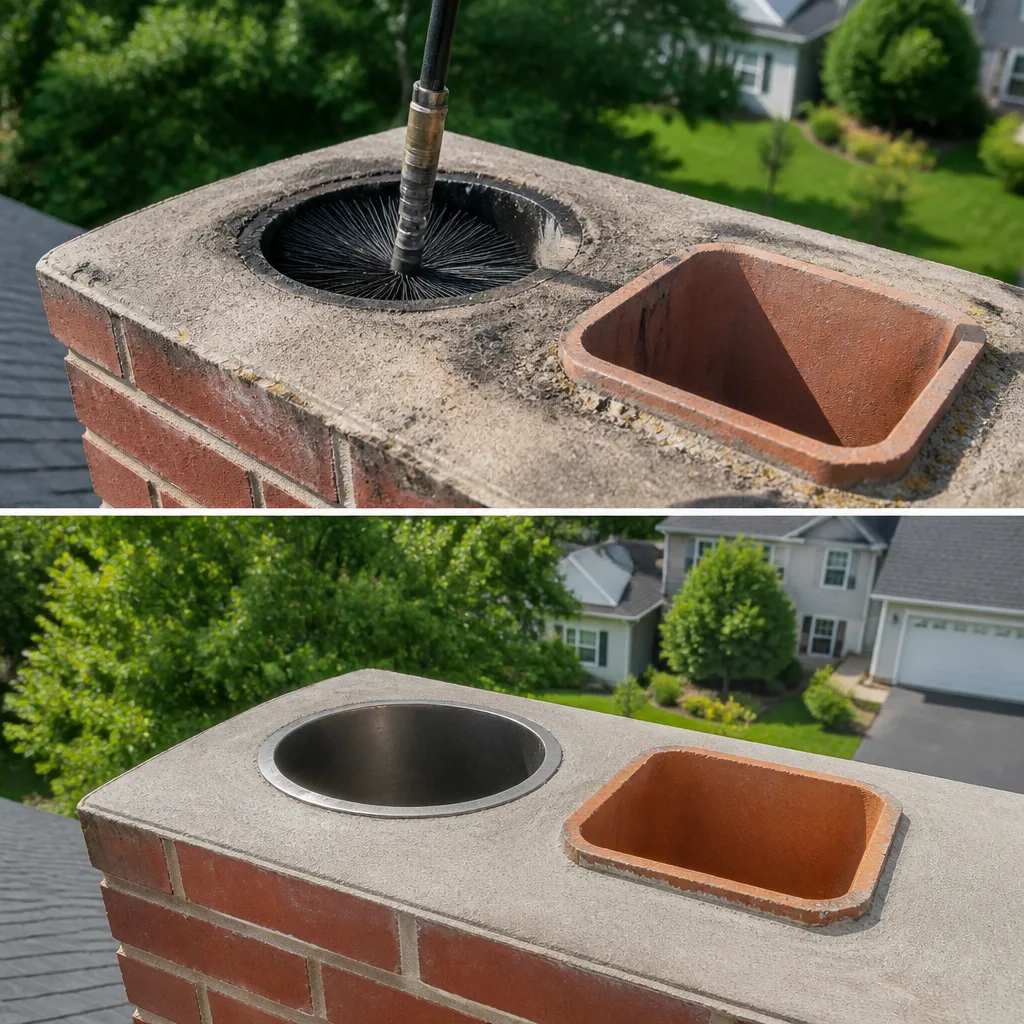 Sweep & inspection
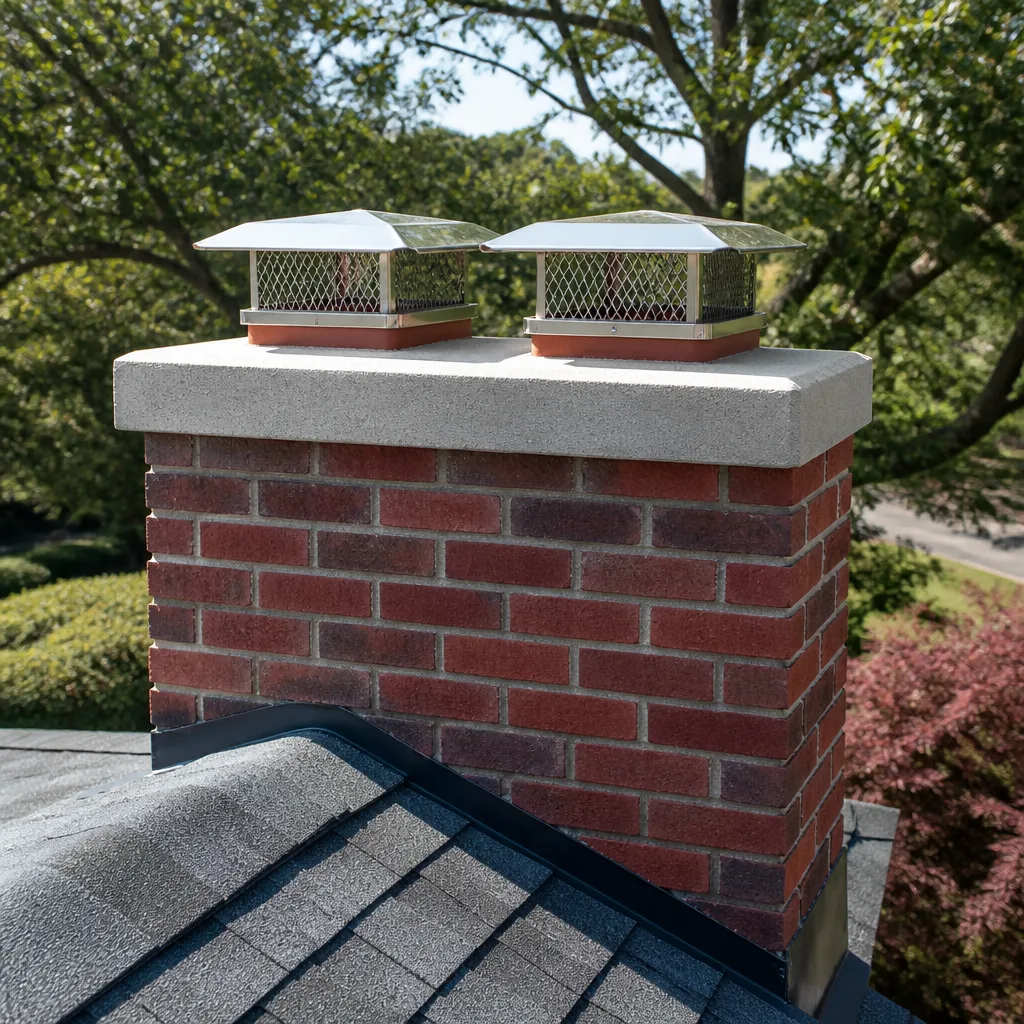 Caps & crowns
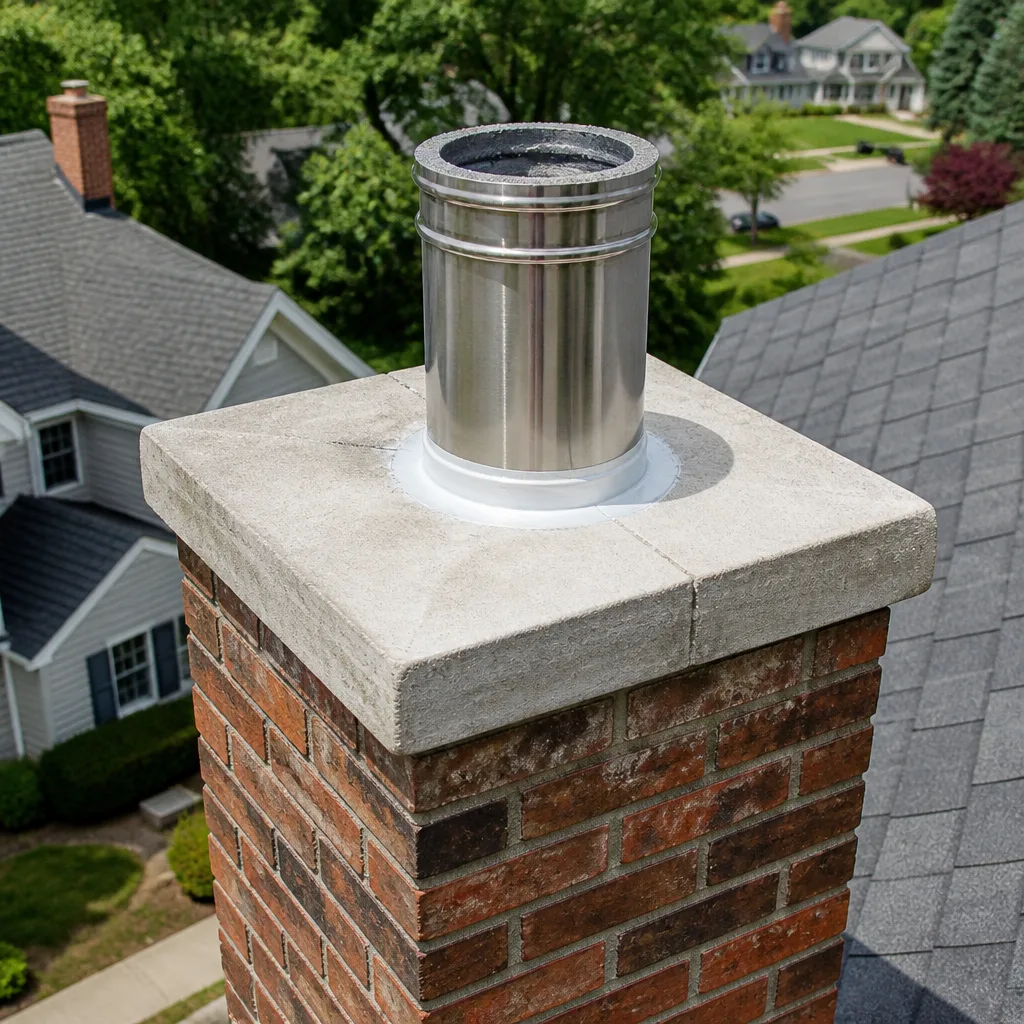 Flue relining
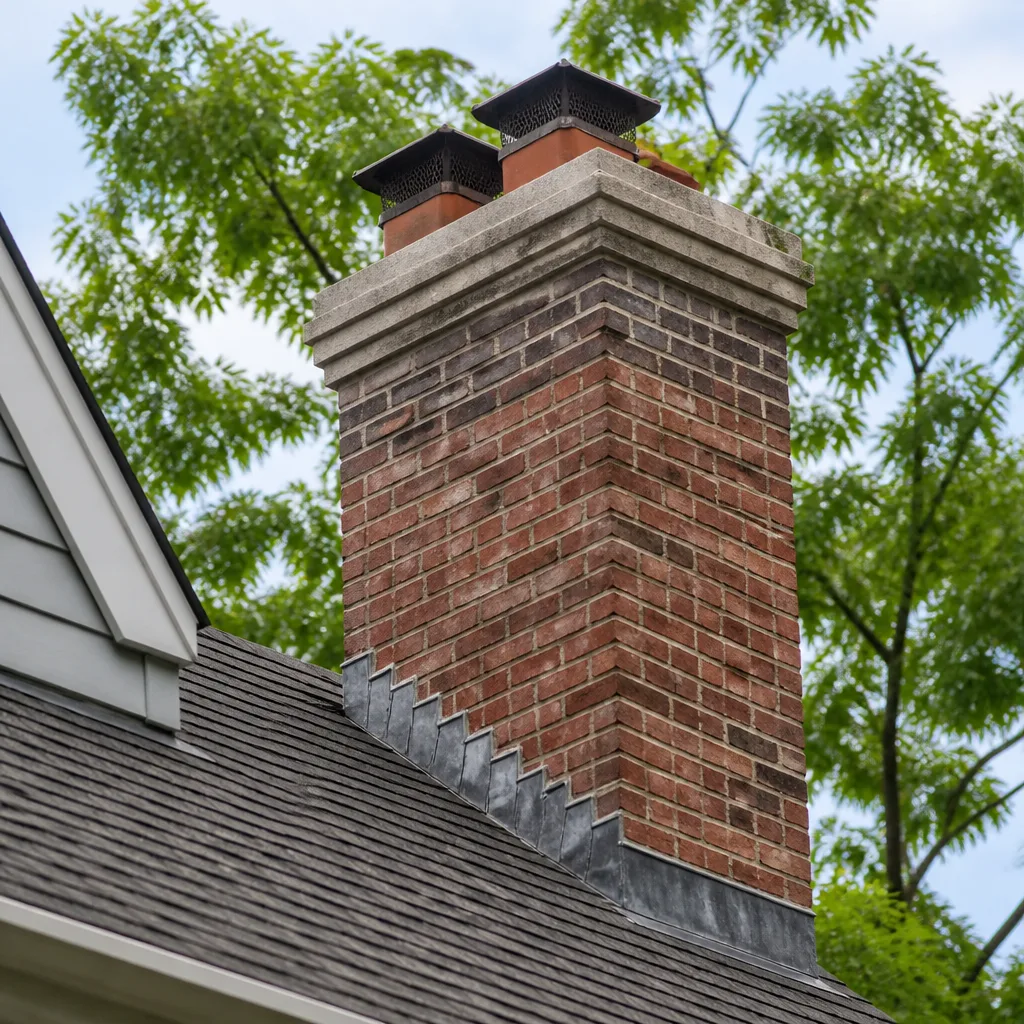 Masonry repair
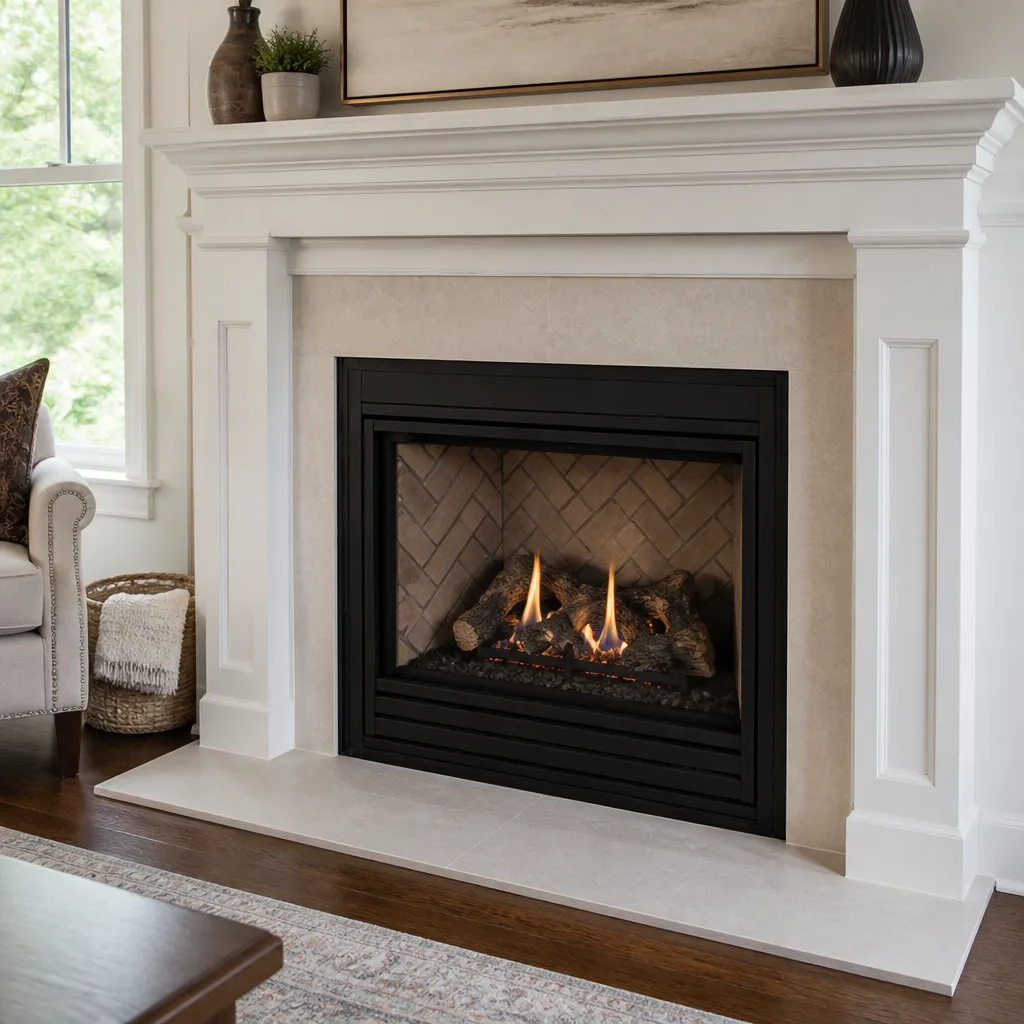 Gas fireplace service
Level 1 sweep and inspection to the NFPA 211 annual standard - flue, crown, cap, and flashing checked and photographed
Chimney sweep logs do not sweep chimneys. They loosen some creosote - which then falls where a brush and vacuum still have to collect it.
Chimney Cleaning Warning Signs: A Highland Creek Homeowner’s Reference Guide
A white stain on brick isn’t just cosmetic. It’s your chimney telling you water has already breached the masonry and is moving toward the interior of your home. Most homeowners read that stain as “the brick needs a wash” and move on. That’s the mistake this guide exists to prevent. The real warning signs of a chimney that needs attention fall into three places: the exterior masonry, the firebox interior, and how your fireplace behaves during a burn. Learn to read all three and you’ll know the difference between a cleaning visit and a structural repair. This reference walks Highland Creek homeowners through every visible and operational sign, what each one signals, and which ones actually need a call today.
Quick Answer
Chimney cleaning warning signs fall into three groups: exterior (efflorescence, spalling, crown cracks, cap damage), interior (rust on the damper, smoke staining above the lintel, crumbling firebrick), and operational (slow draft, smoke rollout, persistent odor). A white powdery stain, crumbling firebrick, or smoke rolling back into the room means the system needs professional attention. Dark soot buildup alone usually means a scheduled cleaning, not an emergency.
Styles & brands we work with
- Sweep & inspection
- Caps & crowns
- Flue relining
- Masonry repair
- Gas fireplace service
Table of Contents
- Exterior Warning Signs: What Your Masonry Is Telling You
- Interior Warning Signs You Can Check From the Firebox
- Operational Symptoms During a Burn
- Immediate Service vs. Next Scheduled Visit
- How to Photograph Warning Signs Before You Call
- What a Chimney Sweep Actually Checks
- Why Highland Creek Chimneys Show These Signs
- Preventive Habits That Keep Warning Signs Away
Exterior Warning Signs: What Your Masonry Is Telling You
Stand across the yard and look at your chimney the way a sweep does on arrival. The brick, mortar, crown, and cap read like a diagnostic chart. You don’t need to climb up to notice the big ones; the worst offenders are visible from the ground.
Efflorescence (the white powder)
That chalky white bloom on brick is called efflorescence. It’s salt that water has carried through the masonry and left behind as it evaporates. On its own it’s harmless. In context it’s a symptom of water getting into the chimney. If it appears after a rain, keeps coming back after a scrub, or shows up alongside spalling, water is entering somewhere and finding a way out through the brick face.
Spalling (crumbling brick faces)
Spalling is when the face of a brick flakes off or breaks away. It means that brick has been saturated and frozen enough times to fail. In Highland Creek, the freeze-thaw cycling that drives spalling shows up in the colder stretches of winter, when wet masonry freezes overnight and thaws by afternoon. Once spalling starts on the outer face, the same process is likely happening internally, and the mortar joints behind it weaken too.
Crown cracks
The crown is the concrete or mortar cap at the top of the chimney that sheds water away from the flue. It is arguably the single most important piece of masonry protecting your chimney, and the most neglected. Hairline cracks widen with freeze-thaw cycling; once the crown cracks, water goes straight down the flue wall. A cracked crown usually needs rebuilding or resurfacing, not caulking.
Cap damage and missing caps
A chimney cap keeps rain, animals, and debris out of the flue. When the cap is rusted, dented, missing screws, or simply gone, the top of your chimney is open to weather. The visible signal is straightforward: look for the metal cap sitting proud of the flue. If it’s crooked or absent, that’s an open invitation for water intrusion. chimney cap & crown work is where most water problems get closed off at the source.
Missing mortar joints
Run your eye down the mortar lines. Recessed or crumbling mortar means the joints are weathering faster than the brick. A sweep will typically note the depth of any mortar loss. Shallow wear is a maintenance item; deep, eroded joints are a structural concern worth addressing before the next cold cycle.
Interior Warning Signs You Can Check From the Firebox
Open the firebox door or you can look directly into an open fireplace. You now have access to the front face of everything the fire has been cooking. This is where more warning signs hide than anywhere else on the system, and they’re the ones homeowners are most likely to overlook because they’re only visible up close.
Rust on the damper
The damper is the metal plate that opens and closes the flue above the firebox. Rust on the damper means moisture is present inside the firebox when the fireplace isn’t in use. That’s often a sign water has worked past a crown crack or a damaged cap and is condensing in the flue. Rust on the damper hinges or damper frame is your indoor confirmation of the outdoor water problem.
Smoke staining above the lintel
The lintel is the steel or stone bar across the top of the firebox opening. If you see black smoke staining on the brick or stoneface above the lintel, smoke has been escaping the firebox instead of going up the flue. It usually points to a draft problem, but it can also mean the smoke shelf is clogged, the flue is undersized, or a flue tile has cracked. Staining that keeps reappearing after cleaning is the persistent version worth a professional look.
Deteriorating firebrick
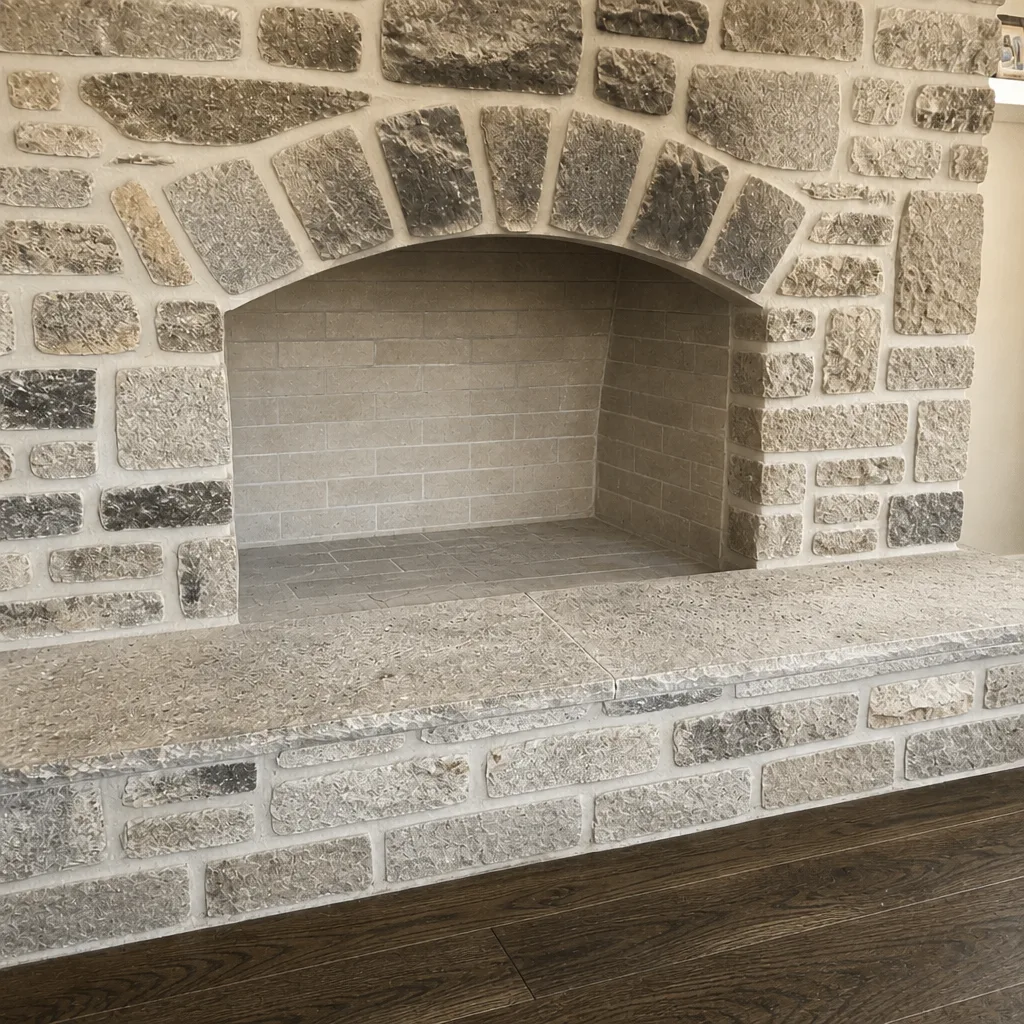
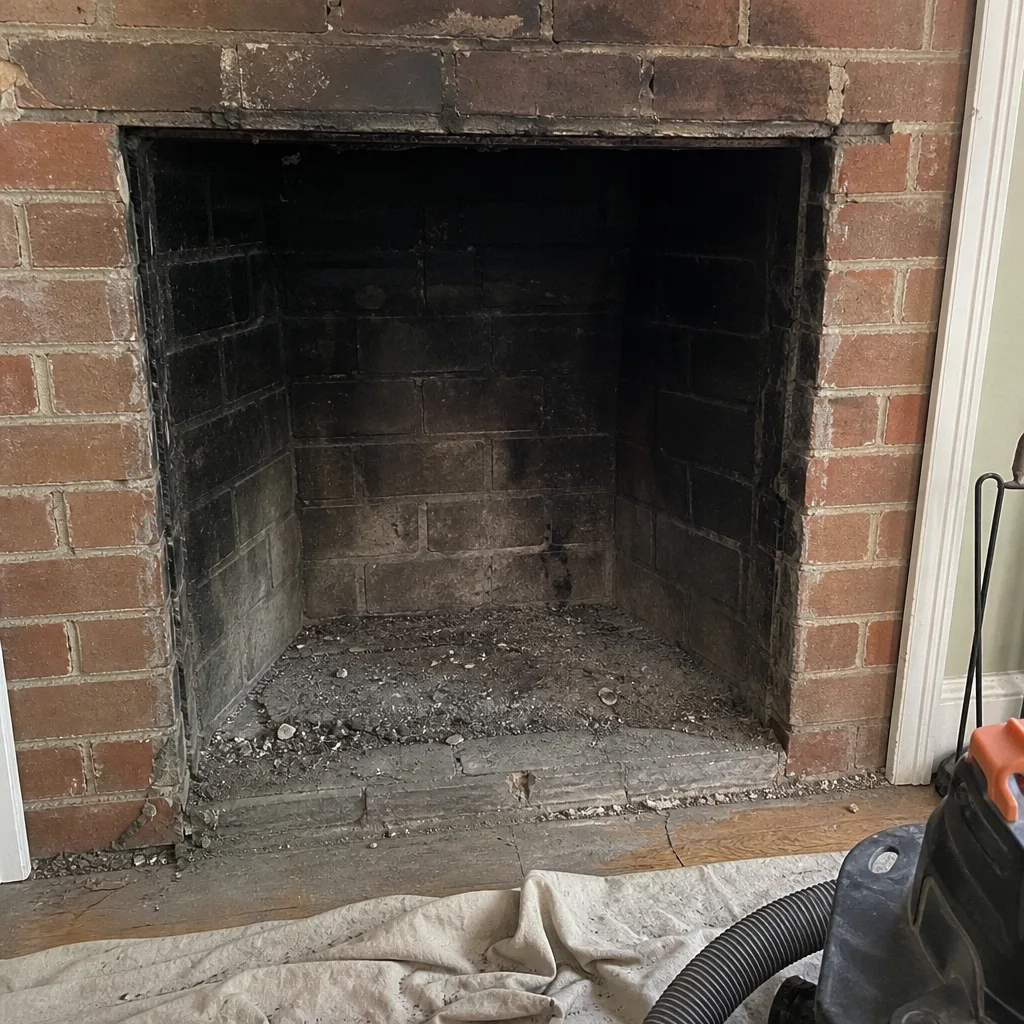
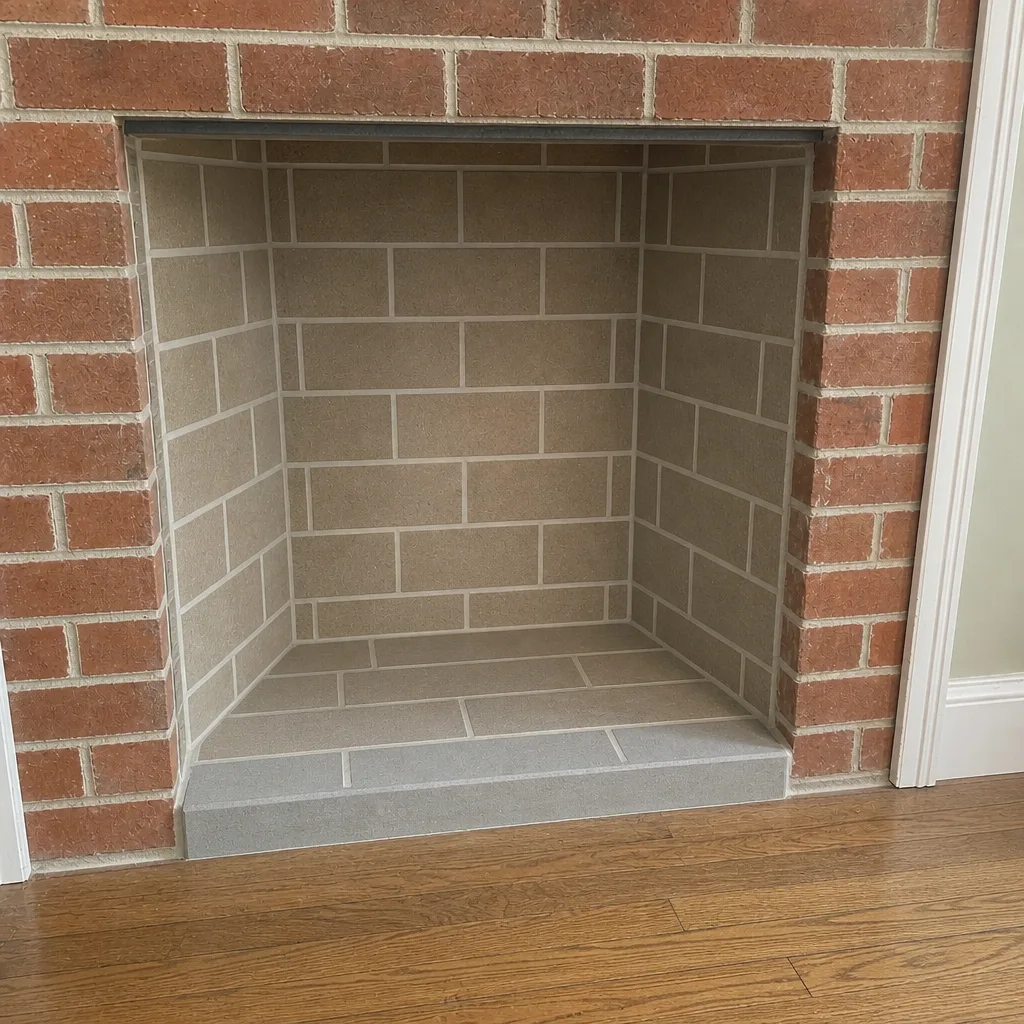
The firebrick lining the firebox is designed to take heat. When it starts to crack, crumble, or joint mortar falls out, the firebox is losing its heat shield. Small hairline cracks in the firebrick are common and often cosmetic. Cracks deep enough to catch a fingernail, missing chunks, or a joint you can push mortar out of indicate the firebrick needs repair. This is where a ceramic repair system like HeatShield is often used to resurface the firebox or flue without a full rebuild.
Creosote and soot buildup
Look at the firebox walls and up the flue throat. Glossy, tar-like creosote is much harder to clean than the dry, flaky kind, and it burns hotter. The rule of thumb among chimney sweeps: at a quarter-inch of buildup, the chimney is due for cleaning. Heavy, oily creosote is reason to schedule a cleaning before the next fire.
Odor when the fireplace is off
A smoky smell in the room on a warm, humid day is a classic chimney odor symptom. It’s often a draft reversal working against a dirty smoke shelf or a closed damper, though it can also be condensation on creosote. Persistent odor is worth a sweep’s opinion even if the firebox looks clean to the eye.
Operational Symptoms During a Burn
The chimney gives you real-time feedback every time you light a fire. These operational symptoms are the ones you feel or see during the burn, and they point to mechanical causes more often than to buildup alone. Note what happens, when it happens, and which conditions seem to trigger it.
Slow draft or hard-starting fires
If the fire takes a long time to catch, or the smoke rises stubbornly instead of pulling up the flue, the draft is weak. In our experience, slow draft has three usual mechanical causes: a dirty or partially blocked flue, a flue that is undersized for the firebox, and a house that is too tight for the chimney to pull adequate makeup air. The fix depends on which one it is, so a proper assessment matters.
Smoke rollout into the room
Smoke rolling out of the firebox when you open the door or when a gust hits the chimney is a strong signal. It means the flue isn’t carrying the smoke where it should. The likely causes: a blocked flue, a damaged flue tile, a cap that’s too restrictive, or a smoke shelf clogged with soot. This one isn’t something to ignore during a burn.
Uneven burn and hot spots
If the fire burns unevenly, with one side climbing while the other sulks, or if you see hot spots on the firebox walls, the firebox or flue liner may be compromised. Heat escaping through a crack in the firebox is a real concern because the surrounding framing is not designed to see that heat.
Smoke smell after the fire goes out
Cold flue, warm room, and residual creosote create a pressure situation that pulls smoke odor back into the living space. If the smell lingers long after the fire is out, a sweep’s camera inspection will usually find either a buildup that needs removing or a draft problem that needs correcting.
When the chimney is smoking from the top
Smoke you can see coming from the crown is normal during a burn but not normal when the fire is out. If you see smoke rising from the top when nothing is burning, or if you smell smoke in the house when the fireplace is off, treat it as a “call before your next burn” signal, not a “wait until fall” one.
Immediate Service vs. Next Scheduled Visit
Not every warning sign is an emergency. Homeowners who understand the difference act faster on the real ones and save money by not panicking over the cosmetic ones. Here’s how a sweep triages it in Highland Creek.
Call before your next fire:
- Smoke rolling into the room from an open firebox
- A strong, persistent chemical or smoke odor in the house
- Visible cracks in the firebox or firebrick deep enough to catch a fingernail
- Efflorescence that reappears after cleaning or is paired with spalling
- Rust on the damper frame
Fine to schedule for the next visit:
- Powdery soot buildup inside the firebox or flue throat
- Dry, flaky creosote up to a quarter inch
- Minor hairline cracks in the firebrick face
- Light smoke staining above the lintel that hasn’t grown
- A missing chimney cap (schedule before the next rain, but not a same-day call)
Not an emergency, but book it:
- Crown cracks that show up as lines but no moisture
- Recessed mortar joints
- A rusty cap with intact screws
- An odor that only appears on humid days
The distinction matters. A missing cap doesn’t mean a fire risk; a firebrick crack can. The moment you’re unsure which category a symptom falls into, a phone conversation with a sweep can help you triage without a visit.
How to Photograph Warning Signs Before You Call
You don’t need a ladder and a drone. Most of what a sweep needs to triage your chimney by phone is reachable from the ground and from the firebox. Good photos mean a faster assessment and often a more accurate estimate before the visit even happens. Here’s the sequence we suggest.
- Take the wide shot first. Stand at the base of the chimney at a slight angle and shoot the whole chimney face in good daylight. This tells the sweep the chimney’s size, style, and general condition.
- Get the crown from below. Move back and shoot up so the top of the chimney and crown are visible against the sky. Zoom in once you’re framed.
- Photograph the cap. Include the metal cap and the immediate top courses of the flue. If there’s a gap or a missing cap, that’s the whole picture.
- Capture efflorescence and spalling close up. Photograph the white stain and the spalled brick separately, then together in a wider frame so the sweep can see where they overlap.
- Open the firebox and photograph in daylight. Open the damper, use a flashlight, and shoot the firebox walls directly, then the damper, then up the flue throat.
- Note the conditions. In your phone or a note, record the date, the weather that day, what the fire was doing when you noticed the symptom, and whether the symptom is new or recurring.
- Photograph the moisture if it rains. A photo taken after a rain showing efflorescence or staining is diagnostic gold for a sweep.
Send the photos to a sweep along with a short description and the call question you actually want answered. A sweep who has seen three photos and a note can usually tell you whether the visit is due now or later.
What a Chimney Sweep Actually Checks
A chimney sweep is not just a person with a brush. The chimney sweep in Highland Creek performs a cleaning and an inspection in one visit, because cleaning without inspection is a guess. Here’s the checklist a professional run-through covers.
- Exterior: crown, cap, brick face, mortar joints, flashing at the roofline, and the chimney’s overall plumb and lean
- Firebox: firebrick, firebox walls, hearth, and damper operation
- Smoke chamber: smoke shelf and damper area, for buildup and warping
- Flue: camera inspection to check for cracked or missing flue tiles, offset flues, and buildup depth
- Creosote condition: dry, flaky, or glazed, because glazed creosote requires a different approach than flaky
- Draft performance: measured at the flue throat with the firebox closed and open
- Cap and crown repair needs: noted even when they aren’t the reason for the visit
When a sweep arrives, expect a camera inspection of the flue and a photo report. That report is what makes the diagnosis trustworthy: you see the buildup, the cracks, and the water damage in the same image the sweep does. If a sweep recommends liner replacement, masonry work, or a firebox repair, ask to see the evidence. Nothing should be recommended that isn’t visible on camera or reported in writing. Our technicians have up to 13 years of experience and know how to show you what they’ve found.
Two things are almost always worth resolving while the sweep is there: cap and crown condition, and firebox or flue surfacing. Fixing a cracked crown and resurfacing the firebox in the same visit is more efficient than two separate service calls, and it addresses the root cause rather than the symptom. When a firebox needs resurfacing rather than full rebuild, a system like HeatShield is a professional-grade alternative to a full liner replacement, and it’s part of what a full-service sweep can offer that a sweep-only outfit cannot.
Why Highland Creek Chimneys Show These Signs
Every region has its own chimney risk profile. Highland Creek’s comes from the combination of humid summers, cool wet winters, and a housing stock where fireplaces are used heavily in the colder months and left idle in the warm ones. That alternating cycle puts masonry through repeated wetting and drying, which is what drives efflorescence and spalling. Wet masonry that freezes overnight in a cold snap and thaws by the afternoon will show face damage faster than masonry that stays dry.
The other local factor is fire use. Homeowners in Highland Creek tend to burn wood regularly through the coldest weeks, and that’s exactly when creosote accumulates. A fireplace that only sees a few fires a year produces lighter buildup. One that’s in use most evenings from December through February tends to need an annual cleaning, whether or not the firebox looks dirty from the outside.
Water intrusion is the most common reason a Highland Creek chimney needs repair rather than cleaning. Cracks in the crown and a missing or damaged cap are the two entries that account for most cases we see. When water finds its way in, the rust on the damper and the white chalk on the brick are the two symptoms you’ll spot first. The good news is that a crown rebuild and a proper cap install are routine work. The bad news is that waiting a season or two lets the water keep moving inward. On the chimney set into the interior wall of a Highland Creek home, that means moisture traveling from the brick face toward the drywall and framing. On the exterior chimney, it means wall stain and mortar loss.
We source chimney components from six professional-grade brands: DuraFlex for flexible relining, HeatShield for ceramic firebox and flue repair, Gelco, Olympia Chimney, Famco, and Copperfield. The reason we carry multiple brands is that no single product fits every chimney. A DuraFlex liner is the right call for some flue geometries and the wrong one for others. A Famco cap solves one kind of top-of-chimney problem; a Copperfield unit solves another. The material should match the chimney, not the other way around.
Preventive Habits That Keep Warning Signs Away
The best time to catch a chimney problem is before it’s a problem. These habits take less time than a single phone call each year, and they keep the worst warning signs off your radar.
- Walk the yard once a season. Late fall before the first fire and again in early spring after the last. Look for the white stain, spalling, and the crown from the ground.
- Open the firebox a few times a year and shine a light inside. Check for firebrick cracks, rusty damper hinges, and smoke staining above the lintel. Two minutes, every season.
- Pay attention to the first fire of the season. If it smokes, rolls out, or smells different from last year, that’s your diagnostic year over year.
- Keep the firebox and hearth clear. No paper, no debris, no odd objects left in the firebox over the summer. This reduces the chance of odor and pest issues when the flue sits idle.
- Schedule a sweep before the burn season, not after. A cleaning in late summer or early fall sets you up for the coldest weeks. Waiting until the first cold snap means you’re competing for a sweep’s time with every other Highland Creek homeowner.
- Fix cap and crown problems immediately. These two components protect everything downstream. A missing cap installed this week is a water problem avoided next winter.
- Ask for a camera inspection in writing. A photo report on file gives you a baseline the next time you wonder whether a crack is new.
One thing is worth saying plainly: a chimney sweep and a chimney inspection aren’t the same thing, and a sweeping without a look up the flue with a camera is a half-job. An inspection can stand alone, which matters if you’re buying or selling a Highland Creek home or your insurance company is asking for documentation. Chimney Sweep Highland Creek treats inspection as its own service, not a bundled checkbox. If a problem is found, the sweep should be able to describe it in plain terms, recommend the fix in order of priority, and tell you which items can safely wait.
Common Mistakes to Avoid
- Treating efflorescence as cosmetic. A white stain isn’t a stain. It’s evidence water is moving through the masonry. Scrubbing it off and forgetting about it lets the source keep feeding it.
- Skipping the inspection because the firebox looks clean. The firebox is the part you can see. Cracks in the flue liner, an offset flue, and heavy creosote above the damper are invisible without a camera.
- Burning unseasoned wood because it’s cheaper. Wet wood produces more creosote than dry wood and burns cooler. The savings are offset by more frequent cleanings.
- Using a single-visit sweep for a repair job. A sweep who cleans but doesn’t repair will hand you off to a mason who doesn’t understand the flue. Coordinating three trades on one chimney usually costs more and ends up with gaps in the work.
- Waiting until the first cold snap to call. Everyone else in Highland Creek is calling that week. Scheduling the sweep in late summer means the flue is clean before the first fire, not after.
- Assuming a cracked crown can be caulked. A crack in a masonry crown mostly reappears after caulking because the crown is still moving under freeze-thaw. Rebuilding or resurfacing the crown is the durable fix.
- Ignoring the rust on the damper. A rusty damper frame is one of the easiest indoor signs of water entry. Clean it off and watch. If it rusts again by the next fire, water is still getting in.
See the difference
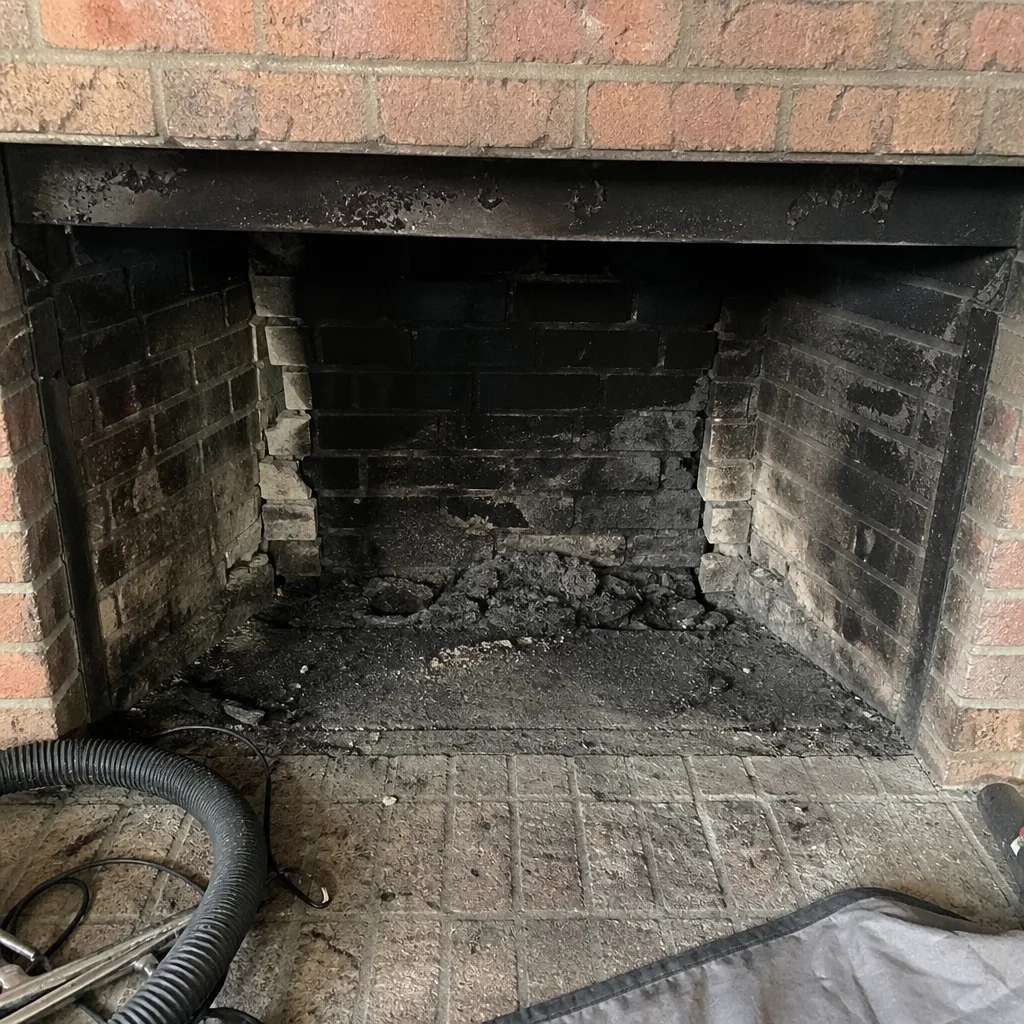 Before
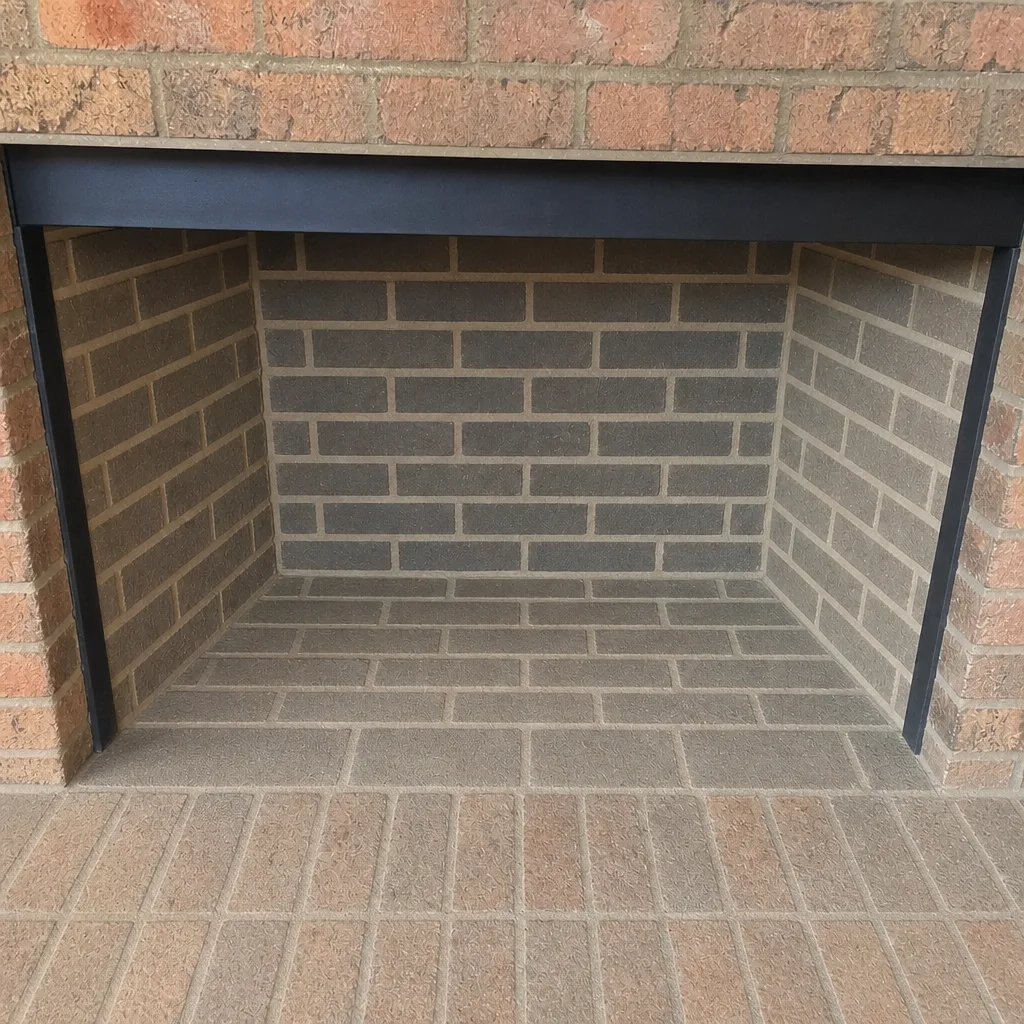 After
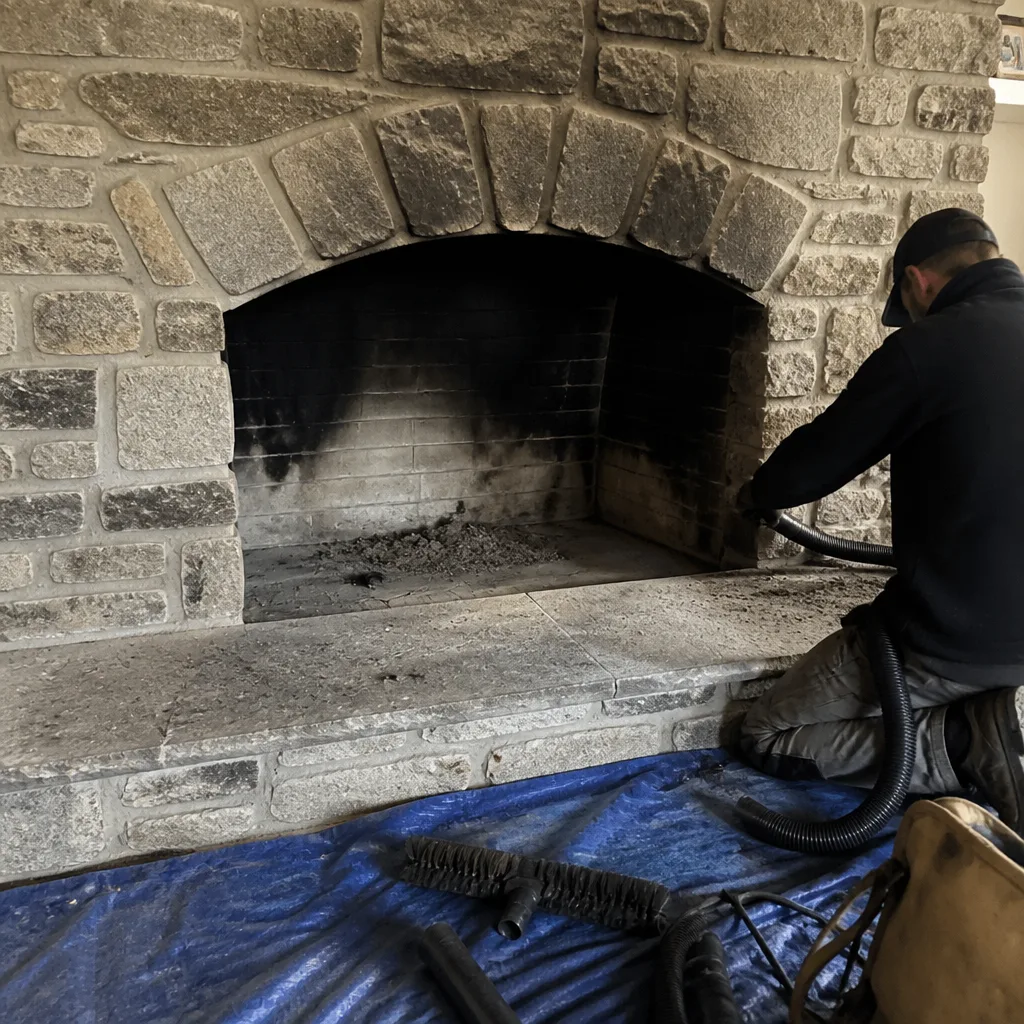 Before
 After
 Before
 After
When to Call a Professional
Call a professional when a warning sign is new, is growing, or is one you can’t confidently categorize. Some examples worth a call: smoke rolling into the room from an open firebox; a strong or persistent odor in the home; visible cracks in the firebox or firebrick; efflorescence that returns after cleaning; rust on the damper frame; a crown crack that shows water staining after a rain; and any missing or damaged cap. Add to the list a standalone inspection before buying a home or responding to an insurance request. Chimney Sweep Highland Creek offers free estimates in Highland Creek. Call (855) 337-1327. We answer 24/7. Fast dispatch from 7am to 7pm, Sunday through Friday. The inspection includes a camera inspection and photo report, so you see the diagnosis before you authorize any repair, and the estimate is written before any work begins.
Frequently Asked Questions
The most common sign is creosote buildup on the flue walls and smoke shelf, usually noticed as slow draft, a smoky smell, or sooty buildup in the firebox. A quarter inch is generally the threshold for a cleaning, but the more telling signs are the ones paired with water damage (efflorescence, rust on the damper) or firebox cracks. Call (855) 337-1327 for an exact quote on a cleaning and inspection in Highland Creek. Estimates are free.
A chimney in regular use should be swept once a year. A fireplace used heavily through the coldest months, or one burning unseasoned wood, may want a mid-season check. If the fireplace only sees a handful of fires a year, an annual inspection is still worth keeping on the calendar. Call (855) 337-1327 for an exact quote and to schedule a sweep before the burn season starts.
A white stain (efflorescence) is a water intrusion symptom, not a cleaning problem. On its own, one appearance is worth monitoring. Paired with spalling, a cracked crown, or a rusted damper, it means water is actively working through the chimney and should be assessed. Call (855) 337-1327. We’ll tell you what a camera inspection finds and what a repair estimate looks like. Estimates are free.
Not every chimney needs a new liner, and a sweep who tells you otherwise without camera evidence is guessing. A cracked flue tile, an unlined chimney serving a wood appliance, or an improperly sized flue for a new appliance are common reasons a liner is needed. Repair is sometimes a reasonable middle path. HeatShield ceramic resurfacing, for example, is used for firebox and flue repair without a full liner replacement when the structure is otherwise sound. Call (855) 337-1327. You’ll see the camera footage and the written recommendation before deciding.
The most common consequence of a skipped sweep is creosote buildup in the flue and smoke shelf that you can’t see from the firebox. Over time buildup can cause draft problems, smoke rollout during a burn, and higher risk of a flue fire. The costly outcome in our experience isn’t the fire itself but the structural repair after water damage that got a season or two of extra time to spread. Call (855) 337-1327 to book a sweep and inspection before the next burn season.
We don’t recommend it for the parts that matter. Nothing about routine cleaning requires you to enter the flue, but a full sweep and inspection requires a camera run up the chimney, and DIY tools can damage flue tiles while missing the buildup up top. A professional cleaning comes with a camera inspection and a photo report you can keep on file. If you’ve already done a DIY pass and you’re unsure what you actually cleared, schedule a professional sweep. Call (855) 337-1327 for an exact quote. Estimates are free.
Both, when the right team is doing the work. fireplace repair is a separate service from cleaning, and it covers firebox resurfacing, firebrick replacement, damper repair, and heat shield restoration. When a firebox needs resurfacing, HeatShield is a common professional-grade option. The cleaning and the repair are often handled in the same visit, which means no coordination burden on you. Call (855) 337-1327 for an inspection and quote on both.
The Bottom Line
Most chimney warning signs speak clearly to a homeowner who knows where to look. The white stain on brick is water moving through masonry. Crumbling firebrick is a heat shield failing. Smoke rolling into the room is a draft problem, not a closed damper. Rust on the damper frame is the outdoor problem confirming itself indoors. Catching any of these in the early stage is usually a cleaning, a cap install, or a crown rebuild. Catching them two seasons late is more often a repair with masonry and liner scope. If you’re not sure which category a symptom falls into, don’t guess. Photograph what you’re seeing, write down what the fire was doing, and call a sweep. Chimney Sweep Highland Creek offers free estimates in Highland Creek. Call (855) 337-1327. We answer 24/7. Fast dispatch from 7am to 7pm, Sunday through Friday. The local pro is licensed and insured as their state requires, and nothing gets recommended without camera evidence you can see for yourself.
Written by the team at Chimney Sweep Highland Creek.