
Last updated November 22, 2026
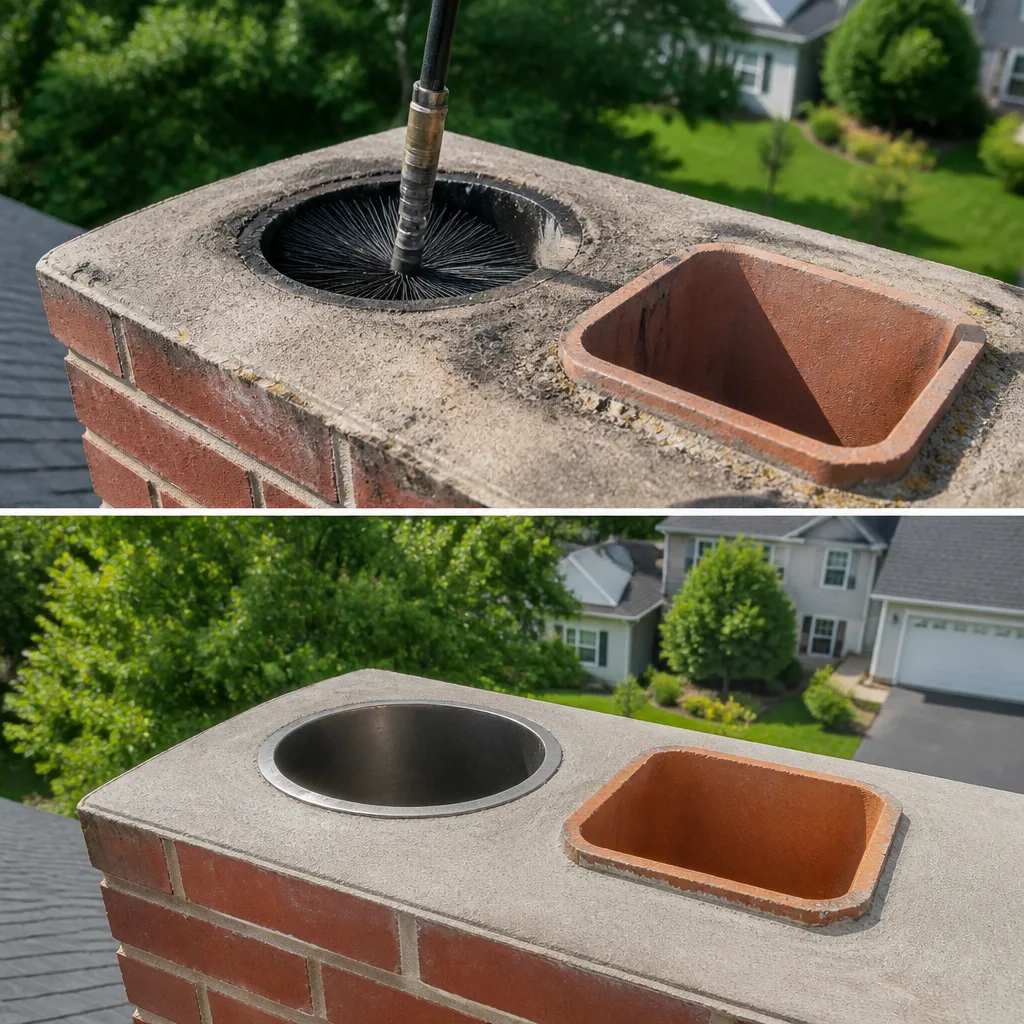 Sweep & inspection
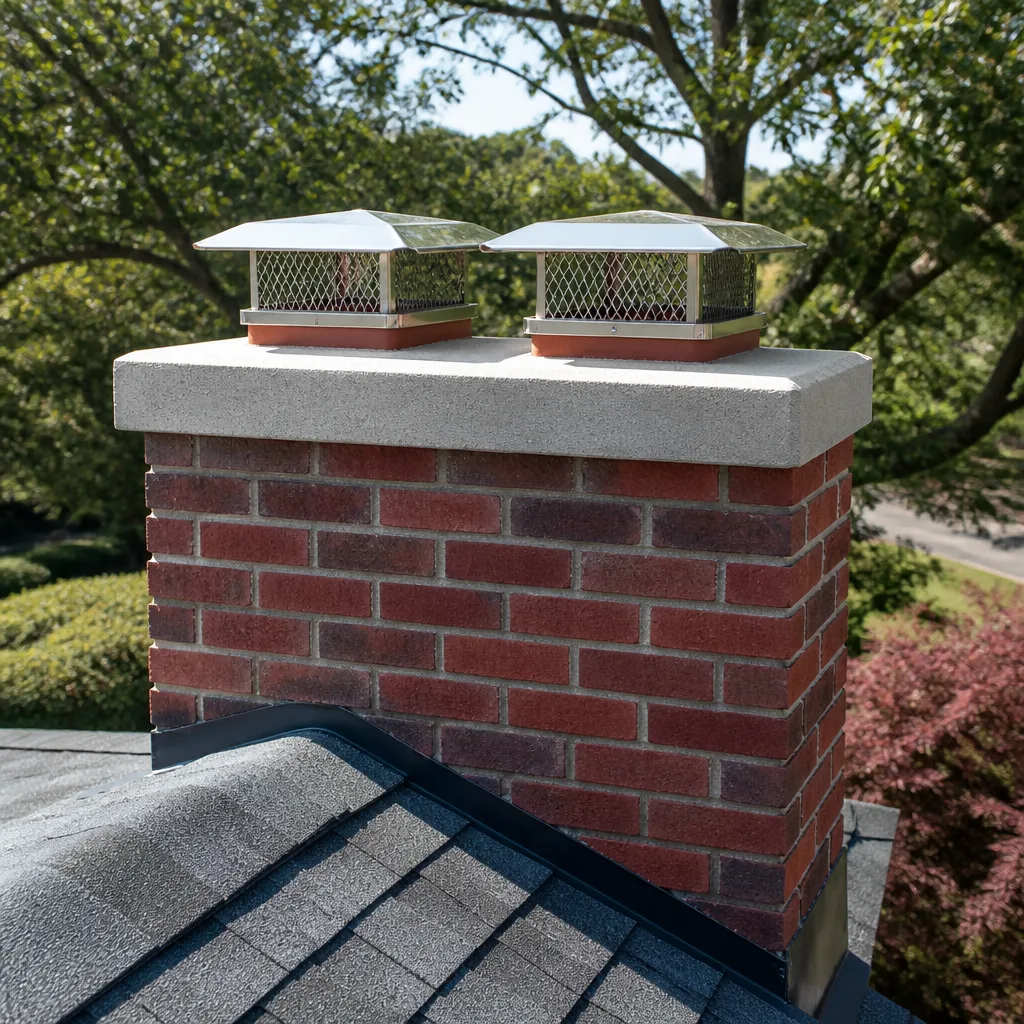 Caps & crowns
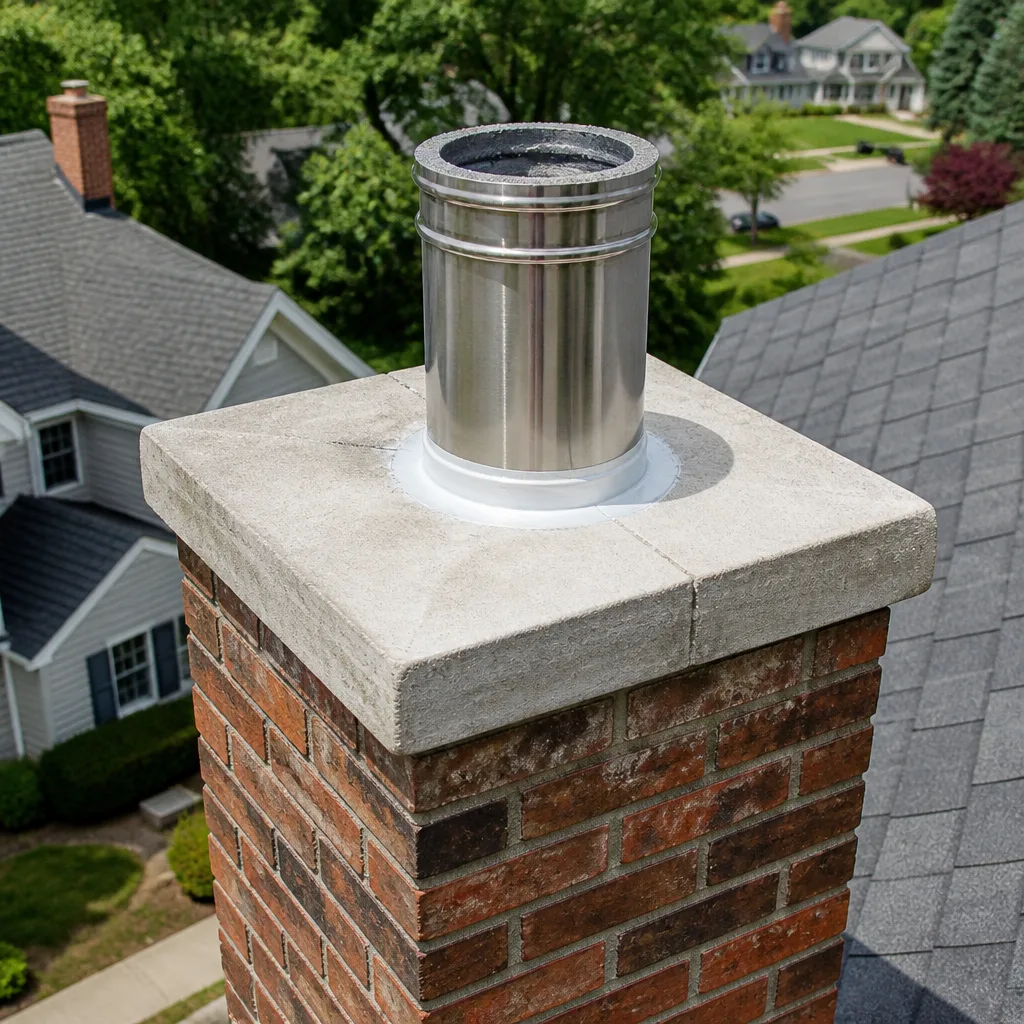 Flue relining
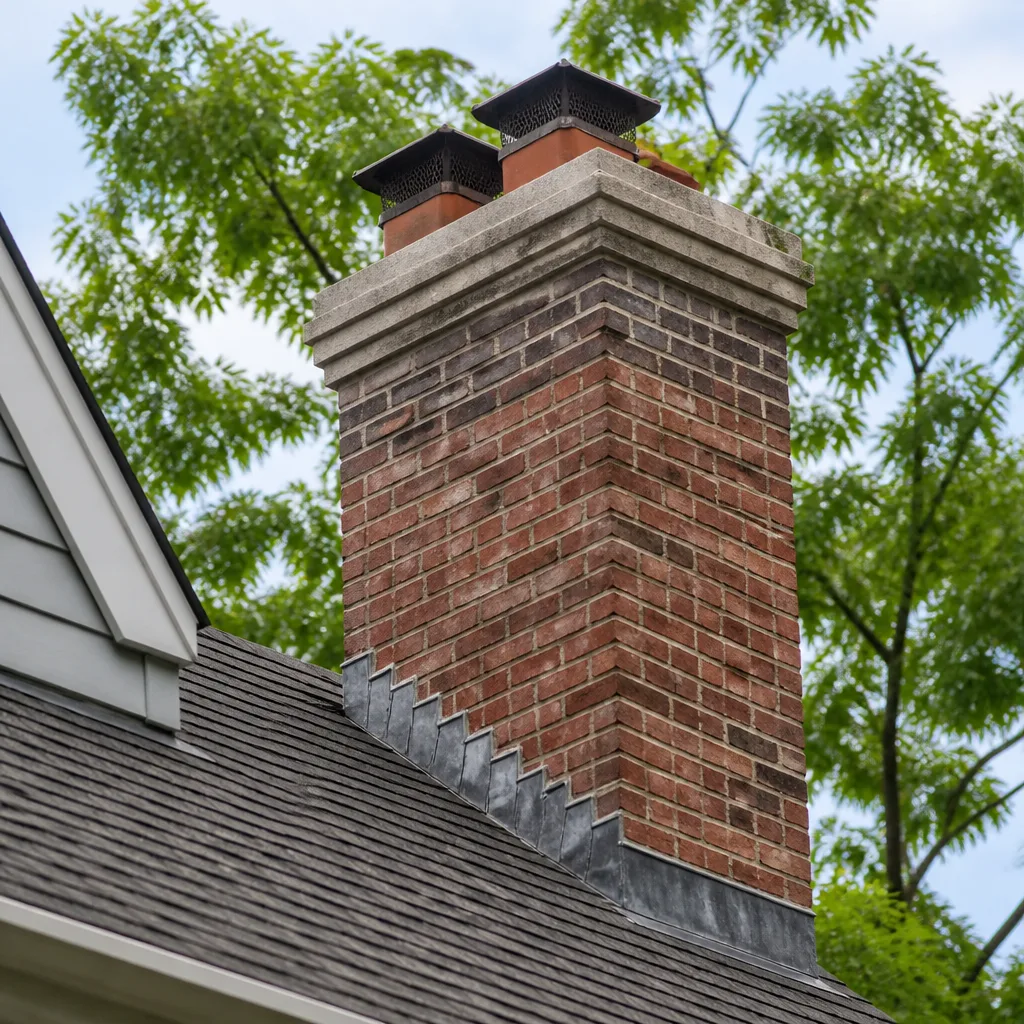 Masonry repair
 Gas fireplace service
Level 1 sweep and inspection to the NFPA 211 annual standard - flue, crown, cap, and flashing checked and photographed
Chimney sweep logs do not sweep chimneys. They loosen some creosote - which then falls where a brush and vacuum still have to collect it.
The Complete Guide to Chimney Cleaning in Highland Creek
Most chimney fires don’t start in a neglected fireplace. They start in one that was cleaned on schedule but inspected by someone who didn’t look past the flue liner. Cleaning removes what you can see. It’s what’s happening in the smoke chamber, at the crown, and inside the joints of the flue that decides whether your chimney is safe to burn. Highland Creek sits in a part of western North Carolina where the soil, the seasonal freeze-thaw swings, and the local hardwood supply all work on your chimney in ways a generic cleaning schedule won’t catch. This guide walks through what actually happens inside a chimney here, how creosote stages change the cleaning method, and what a real full-service visit should cover.
Quick Answer
Chimney cleaning in Highland Creek means removing soot and creosote from the flue, firebox, smoke chamber, and damper, then inspecting the whole system to catch the structural problems cleaning alone can’t fix. How often you need it depends on how much you burn and what you burn, but most homes that use a fireplace regularly need a sweep and a Level 1 inspection once a year. A cleaning without an inspection is a guess; the two belong together.
Styles & brands we work with
- Sweep & inspection
- Caps & crowns
- Flue relining
- Masonry repair
- Gas fireplace service
Table of Contents
- Why Highland Creek Chimneys Age Differently
- Creosote Stages and Why They Change the Cleaning Method
- Level 1, 2, and 3 Inspections: Which One Applies
- What a Full-Service Cleaning Visit Covers
- How Oak, Hickory, and Pine Change Your Cleaning Interval
- Freeze-Thaw Cycles, Mortar Spalling, and Cleaning Intervals
- Step by Step: How a Professional Cleaning Goes
- After the Sweep: Caps, Crowns, and Repairs
Why Highland Creek Chimneys Age Differently
Highland Creek sits on soil with a high clay content, and that matters more than most homeowners realize. Clay-heavy ground holds moisture and swells and shrinks with the seasons. A masonry chimney footing that sits in that soil is subject to movement through the year, and over time that movement shows up as hairline cracks in the mortar joints and around the crown. A chimney that looks solid from the ground can have joints that open just enough in winter to let water in and close again by spring.
Then there’s the temperature swing. Highland Creek gets warm days and freezing nights through much of the burning season, and that freeze-thaw pattern is the quiet engine behind most masonry wear here. Water gets into a crack or a porous brick, freezes, expands, and pushes the material apart from the inside. When it thaws, the damage is done. Repeat that cycle a few dozen times a winter and you get spalling: the face of the brick flakes off, mortar joints crumble, and the flue lining starts to deteriorate.
That’s why cleaning intervals in Highland Creek aren’t purely a function of how much you burn. A chimney with deteriorating mortar sheds grit and debris into the flue, and that debris mixes with creosote and soot. A chimney that would otherwise go two seasons between sweeps may need annual attention here because the structure itself is contributing material to the buildup. Our technicians have up to 13 years of experience reading that pattern, and it’s one of the first things we check when we’re on a Highland Creek roof. If the crown is cracked or the mortar is spalling, we tell you plainly, because cleaning a chimney with a failing crown is treating a symptom.
The other local factor is simply how people here heat. Highland Creek has a lot of homes with real wood-burning fireplaces that get used hard through the colder months, and a fireplace used regularly accumulates creosote faster than one lit a handful of times a season. We’d rather see a chimney on a schedule that matches actual use than a one-size-fits-all annual reminder. That starts with asking how you burn, not just showing up with a brush.
Creosote Stages and Why They Change the Cleaning Method
Creosote is the residue left behind when wood smoke cools on the inside of the flue. It’s not one substance. It forms in three distinct stages, and each stage calls for a different cleaning approach, different tools, and sometimes a different conversation about what comes next. This is the part most homeowners never hear explained, and it’s the part that matters most for fire safety.
First-degree creosote
First-degree creosote is the light, flaky, soot-like deposit that brushes off easily. It looks like black dust or thin flakes. A standard flue brush removes it cleanly, and this is the residue you’ll find in a chimney that’s swept regularly and burned with well-seasoned wood. It’s the easiest stage to deal with and the reason routine cleaning keeps a chimney in good shape.
Second-degree creosote
Second-degree creosote is darker, denser, and often shiny or tar-like. It clings to the flue surface and doesn’t come off with a light brushing. Removing it takes more aggressive mechanical tools and more time, and the technician has to be careful not to damage the flue while getting it off. Second-degree buildup is a sign that the chimney is running cool, meaning the fire isn’t burning hot enough or the wood is too wet, so the smoke condenses before it exits. This is where the cleaning method has to change, not just the tool.
Third-degree creosote
Third-degree creosote is a hardened, glazed, tar-like coating fused to the flue. It’s the most flammable stage and the most dangerous. A brush won’t touch it. It has to be removed with specialized equipment or, in some cases, addressed through chemical treatment or relining, because the buildup is essentially part of the flue wall at that point. Third-degree creosote is the single biggest fire risk in a chimney, and it’s exactly the kind of thing a cleaning-only visit can miss if the technician doesn’t inspect the full flue.
What this means practically: the stage of creosote in your chimney determines whether a standard sweep is enough or whether you need more. When we’re on a Highland Creek chimney, we identify the stage and show you photos so you can see it yourself. If the buildup is second or third degree, we explain what it will take to remove it and why. That’s the difference between a sweep and a real assessment of your chimney system.
Level 1, 2, and 3 Inspections: Which One Applies
Chimney inspections are classified in three levels, and knowing which one applies to your situation helps you understand what you’re paying for and whether you’re getting a real look at your system. The level isn’t a matter of preference. It’s set by what’s being evaluated and what’s changing about the chimney or the home.
Level 1 inspection
A Level 1 inspection is the basic visual check that goes with a routine cleaning. It covers the readily accessible portions of the chimney and its connections: the firebox, the damper, the smoke chamber, the visible flue, and the exterior components you can see without special tools. If your chimney is unchanged and you’re just due for a sweep, this is the level you need. A Level 1 inspection is what most Highland Creek homeowners get when they book a standard cleaning, and it should always accompany the sweep rather than being skipped.
Level 2 inspection
A Level 2 inspection goes further. It’s required when something about the chimney or the home has changed: a new appliance connection, a change in fuel type, a chimney that’s been through a chimney fire, a property sale, or an insurance requirement. It includes everything in a Level 1 plus a video scan of the flue and access to areas that a basic inspection can’t reach, like the attic and crawl space where the chimney passes through. This is the level that catches cracks and gaps in the flue liner that a visual check would miss.
Level 3 inspection
A Level 3 inspection is the most involved. It’s used when a serious hazard is suspected and parts of the chimney or building have to be opened up to assess it, which may mean removing portions of the chimney or surrounding structure. It’s uncommon, but when it’s warranted, it’s because there’s a real question about hidden damage.
Here’s the part that answers the question homeowners ask after a cleaning: a standard sweep is paired with a Level 1 inspection. If we find something during that Level 1 that raises a flag, we recommend stepping up to a Level 2 with a video scan so you can see the inside of your flue for yourself. We offer inspections as a standalone service too, which matters for real estate transactions and insurance requirements where the buyer or lender needs documentation. The right level is the one that actually assesses what’s going on, not the cheapest one on the menu.
What a Full-Service Cleaning Visit Covers
A cleaning that stops at the flue leaves the dirtiest and most dangerous parts of the system untouched. The flue is only one component. A real full-service cleaning visit addresses the whole chimney system, because soot and creosote don’t stay in one place and the components that fail are usually not the ones people think about.
Here’s what a proper visit should cover beyond the flue:
- The smoke chamber. This is the tapered space above the damper and below the flue. It’s one of the most overlooked areas in a chimney because it’s hard to reach and easy to skip. Creosote builds up on its sloped walls, and that buildup is a fire risk. A thorough cleaning brushes the smoke chamber, not just the flue above it. If the chamber walls are rough or damaged, HeatShield ceramic repair can resurface them and smooth the surface so creosote has less to cling to.
- The damper. The damper has to open and close fully and seal properly when closed. A stuck or rusty damper changes how the fireplace drafts, and a damper that won’t seal lets heated air escape and cold air in when the fireplace isn’t in use. We check the operation and note any repair needed.
- The firebox floor and walls. The firebox takes direct heat and is where cracks and deteriorated mortar show up first. A cleaning visit includes a look at the firebox floor, walls, and the damper frame. Cracks here aren’t just cosmetic; they can let heat reach the structure behind.
- The crown and cap. The crown is the concrete or masonry top of the chimney, and the cap covers the flue opening. Both are the chimney’s first line of defense against water. A cracked crown or a missing cap lets rain and animals in, and the damage compounds from there. We check both on every visit and quote any repair we find.
We work with brands that professionals use because they hold up to the conditions here. HeatShield ceramic repair systems restore fireboxes and smoke chambers without a full rebuild. DuraFlex flexible liner systems handle relining for wood, gas, and oil appliances. Olympia Chimney and Copperfield components round out the cap and liner work. The point isn’t the brand names; it’s that a full-service visit means the person cleaning your chimney can also resolve what the cleaning reveals, so you’re not coordinating a sweep, a mason, and a cap installer separately. Cleaning, inspection, fireplace repair, and chimney cap & crown work all fall within one scope here.
How Oak, Hickory, and Pine Change Your Cleaning Interval
Western North Carolina has no shortage of hardwood, and most Highland Creek fireplaces burn oak, hickory, or a mix. What you burn changes how fast creosote forms, and it’s a bigger factor in cleaning intervals than most people account for. The density of the wood and its moisture content both drive how completely it burns, and how completely it burns determines how much residue ends up on your flue walls.
Oak is dense and burns hot and long once it’s seasoned. Dry oak is one of the better woods for a fireplace because a hot fire produces less creosote. But oak holds moisture stubbornly, and oak that hasn’t been seasoned long enough burns cool and smolders, which is exactly the condition that produces second-degree creosote. The species isn’t the problem; the moisture is.
Hickory burns hot and clean when dry, with a high heat output. It’s a good choice for a hot fire, but that heat also puts more stress on the firebox and flue over time. Homes that burn a lot of hickory tend to see more wear on firebox mortar, which is worth checking on each visit.
Pine is where cleaning intervals tighten. Pine is resinous and burns fast and hot, and it produces more creosote than the hardwoods, especially if it’s burned without enough air or mixed with wet wood. A Highland Creek home that leans on pine for quick fires or fire-starting will accumulate creosote faster than one burning seasoned oak.
We don’t tell anyone what wood to burn. We do tell you what we find and what it means for your schedule. A home burning mostly dry hardwood may comfortably go a full season between sweeps. A home burning a lot of pine, or wood that’s wet, may need a shorter interval and closer attention to the creosote stage. Bring your burning habits to the conversation and the cleaning schedule can be built around them instead of guessed at.
Freeze-Thaw Cycles, Mortar Spalling, and Cleaning Intervals
The freeze-thaw cycle is the single biggest driver of masonry deterioration in Highland Creek, and it directly affects how often your chimney needs attention. Here’s the mechanism. Water gets into a hairline crack in the mortar, a porous brick, or the top of the crown. Overnight it freezes and expands. The expansion widens the crack. The next day it thaws and the water drains a little deeper. Over a winter of warm days and cold nights, that cycle works a crack wider and wider until the face of the brick breaks away, which is spalling.
Spalling matters for cleaning because it changes what’s in your flue. When mortar joints crumble and brick faces flake, the debris falls or gets drawn into the flue. That grit mixes with soot and creosote, and the resulting buildup is heavier and harder to remove than creosote alone. It also means the flue lining may be compromised, which a cleaning without an inspection won’t reveal.
This is why we don’t treat the cleaning interval as a fixed number in Highland Creek. A chimney with sound mortar and an intact crown can go longer between sweeps. A chimney showing spalling or crown cracks needs closer attention, and the crown repair should happen before the next burning season, not after. The crown is what sheds water off the top of the chimney; when it cracks, water goes straight into the masonry and the freeze-thaw cycle gets to work from the inside.
A practical rule for Highland Creek homeowners: have the chimney looked at before the burning season starts, not after. That timing catches crown and mortar problems before winter drives water into them, and it confirms the flue is clear before the first fire. If cleanup and repair are both needed, they get done in one service relationship instead of two.
Step by Step: How a Professional Cleaning Goes
Knowing what to expect makes it easier to judge whether a cleaning was done properly. Here’s the sequence a professional visit should follow, from arrival to the written summary.
- Assess before cleaning. The technician checks the firebox, damper, smoke chamber, and flue before any brushing starts, and notes the condition of the crown and cap from the roof. This establishes a baseline so problems aren’t mistaken for cleaning debris.
- Protect the home. Drop cloths and a sealed vacuum system keep soot out of the living space. A chimney that isn’t set up to contain dust will leave a film on furniture and floors.
- Sweep the flue. The technician brushes the flue from the top or bottom depending on the setup, using the right tools for the creosote stage found. First-degree buildup comes off with a standard brush; second and third-degree buildup take more.
- Clean the smoke chamber and firebox. The smoke chamber gets brushed and the firebox floor and walls are cleaned. This is the step that separates a full-service cleaning from a flue-only sweep.
- Inspect and document. A Level 1 inspection follows the cleaning, with photos of anything notable. If the situation calls for it, a Level 2 video scan takes a closer look at the flue liner.
- Report and quote. The technician walks you through what was found and what it means, and provides a written estimate for any repair. Nothing gets recommended without evidence you can see.
That last step is the one we care most about. You should never be told you need a liner or masonry work without photos and a plain explanation of why. And you should be told plainly when a repair can safely wait. The written estimate sets the final price, and it’s yours before any work begins.
After the Sweep: Caps, Crowns, and Repairs
A cleaning tells you the condition of your chimney. What you do with that information is the part that protects the system long-term. Most of what a cleaning reveals falls into a few categories: cap and crown condition, liner integrity, firebox and smoke chamber wear, and creosote stage.
Caps and crowns are the most common repair we quote in Highland Creek because they’re exposed to every freeze-thaw cycle and every storm. A missing or damaged cap lets rain, birds, and debris into the flue, and a cracked crown lets water into the masonry. Both are relatively straightforward to address and both prevent far more expensive damage. We install caps and rebuild crowns using Copperfield and Olympia Chimney components sized to the flue.
When the firebox or smoke chamber walls are rough, cracked, or spalled, HeatShield ceramic repair resurfaces them without a full replacement, which is a middle path between living with the damage and rebuilding. When the liner itself is compromised, a DuraFlex flexible liner system relines the flue for wood, gas, or oil appliances. The right repair depends on what the inspection found, and that’s why we inspect before we recommend.
If the sweep turns up sound condition, we say so. A chimney that’s clean, capped, and structurally intact doesn’t need more than its next scheduled visit. Our job is to fix what needs fixing and leave what doesn’t alone.
Common Mistakes to Avoid
- Skipping the inspection to save time. A cleaning without an inspection removes what’s visible and misses what’s structural. In Highland Creek, where freeze-thaw wear shows up in places you can’t see from the firebox, that gap is exactly where problems hide.
- Waiting until the first cold snap to book. The weeks before the burning season are when crown and mortar problems should be caught, not after winter has driven water into them. Booking ahead of the season gets repairs done before the freeze-thaw cycle does its work.
- Burning wet or unseasoned wood. Wet wood burns cool and smolders, which is the condition that produces second-degree creosote. Seasoned wood keeps the fire hot enough to burn cleaner.
- Assuming a flue-only sweep is complete. The smoke chamber, damper, firebox floor, and crown are part of your chimney system. A visit that skips them leaves the spots where creosote and damage concentrate.
- Ignoring a cracked crown because the chimney still drafts. Draft is not a measure of structural soundness. A cracked crown lets water in whether the fireplace draws well or not, and the freeze-thaw cycle makes it worse each winter.
- Going years between inspections because the fire still burns. A fireplace that lights fine can hide third-degree creosote or a failing liner. Regular inspection is the only way to know what’s actually inside the flue.
- Hiring only a sweep when the problem is a repair. A sweep-only provider can clean the flue but can’t resolve a damaged crown, liner, or firebox. In Highland Creek that often means hiring a second contractor, which is why the full-service scope matters.
See the difference
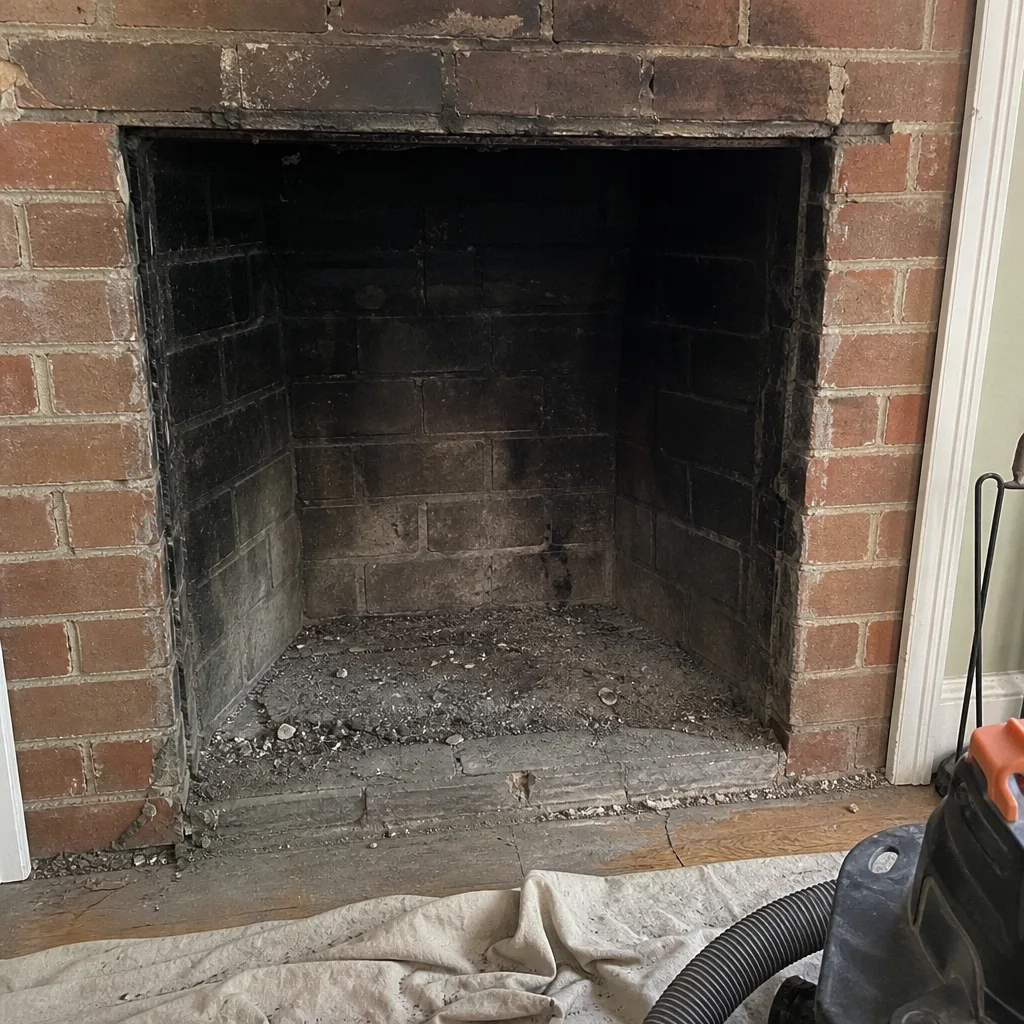
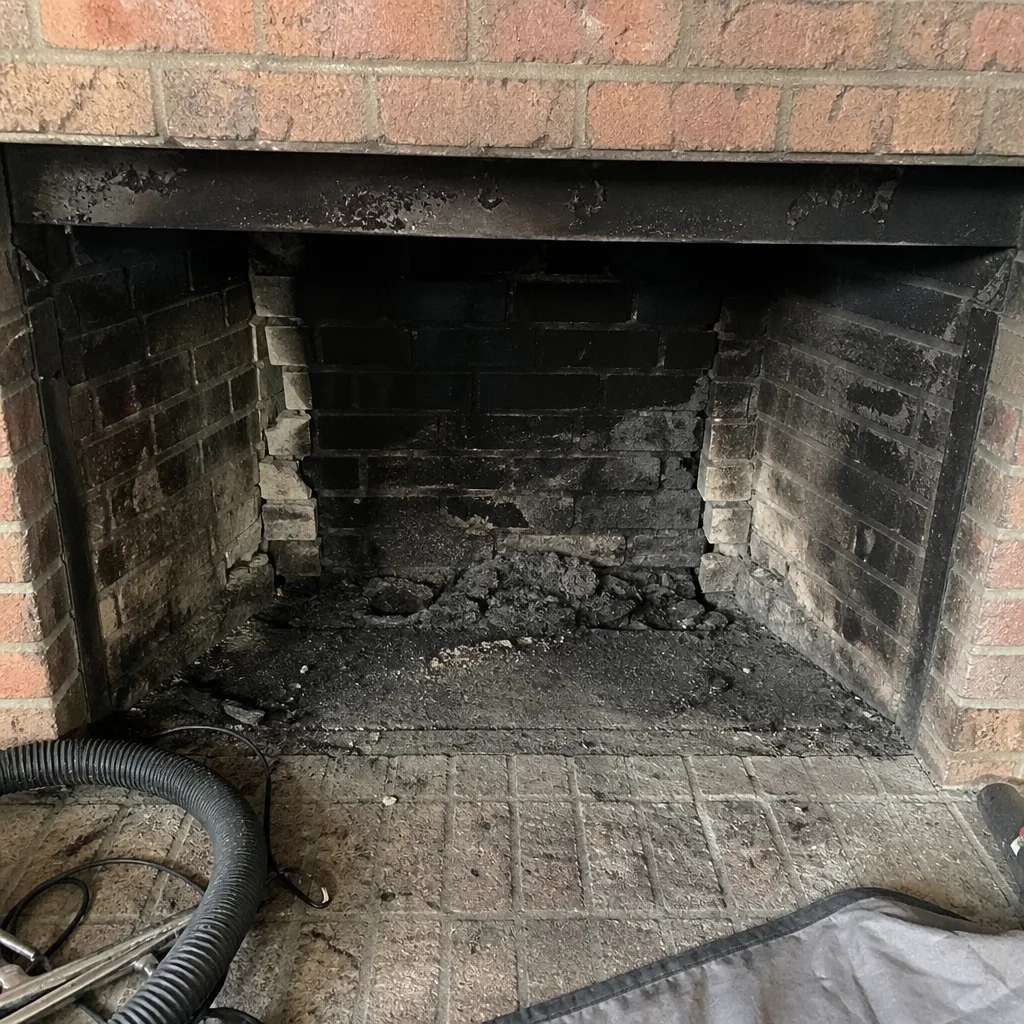 Before
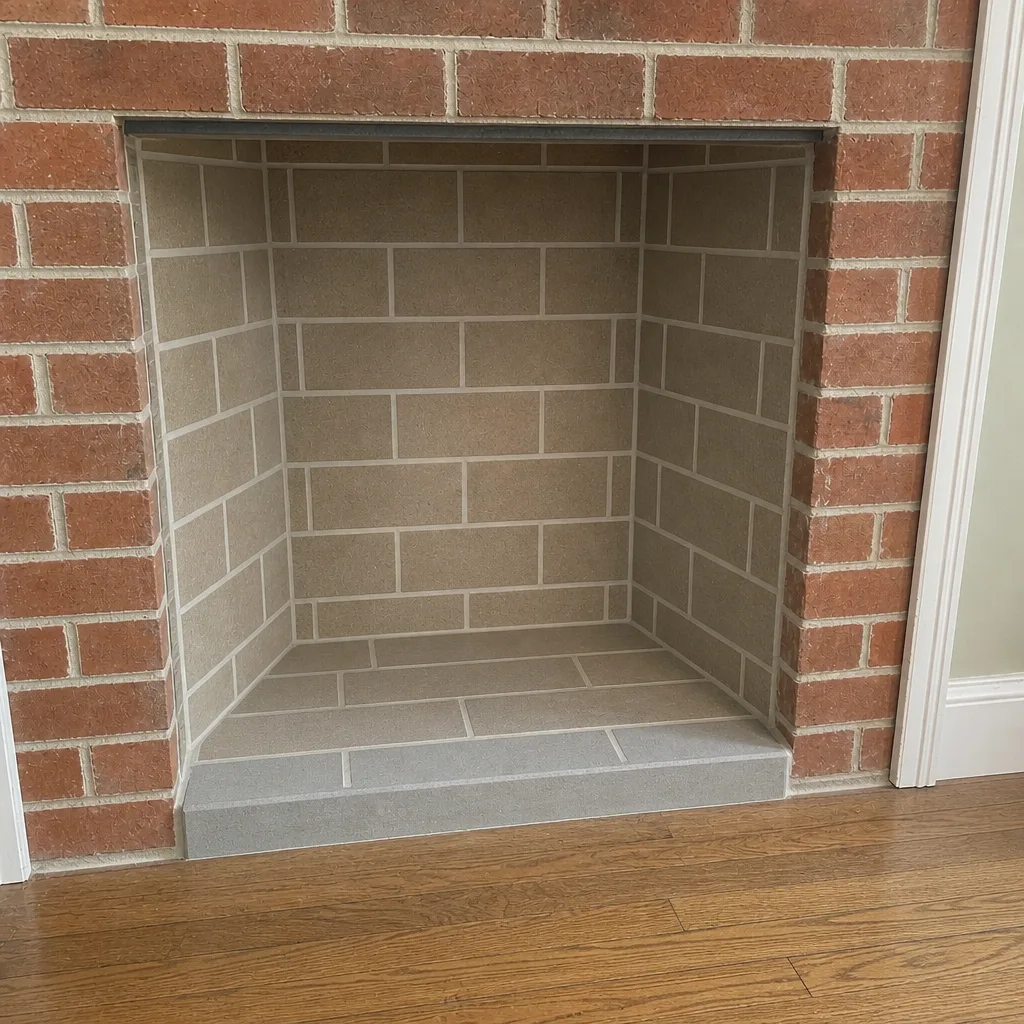
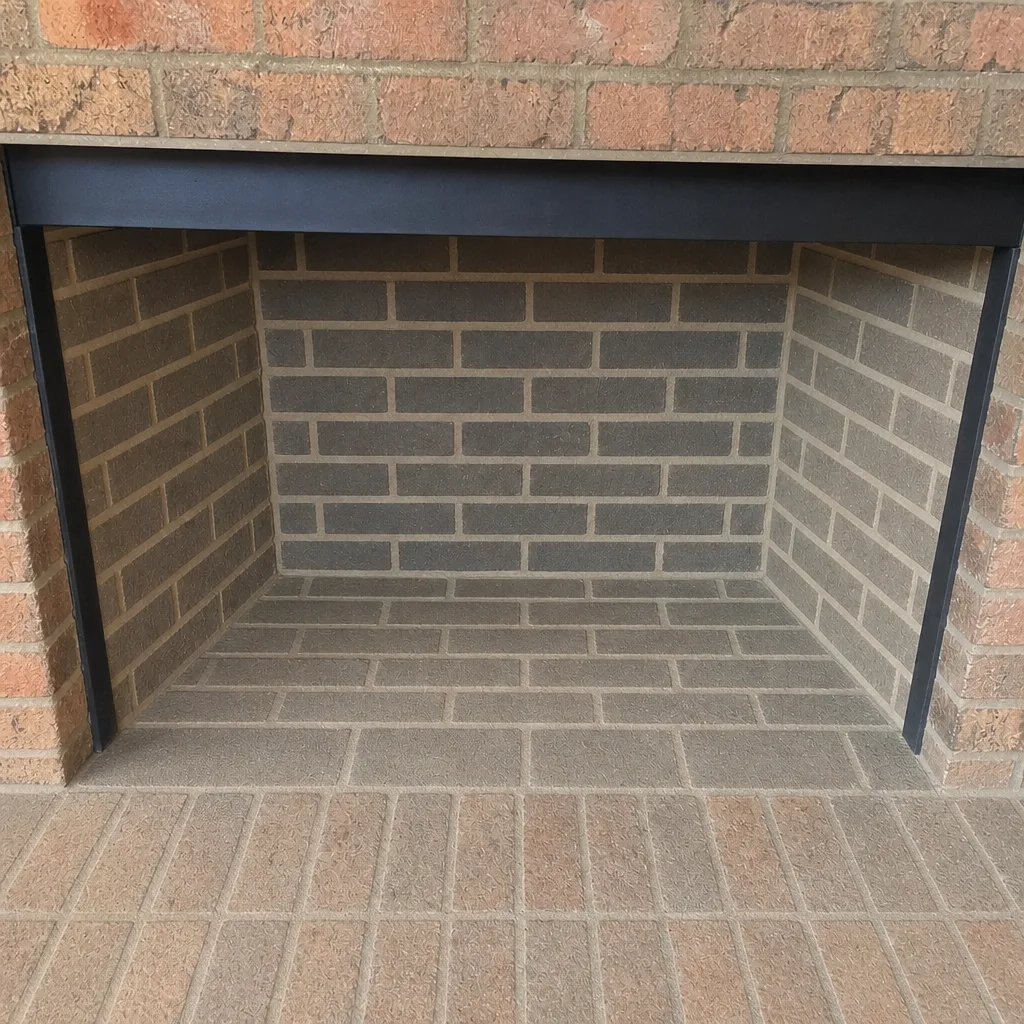 After
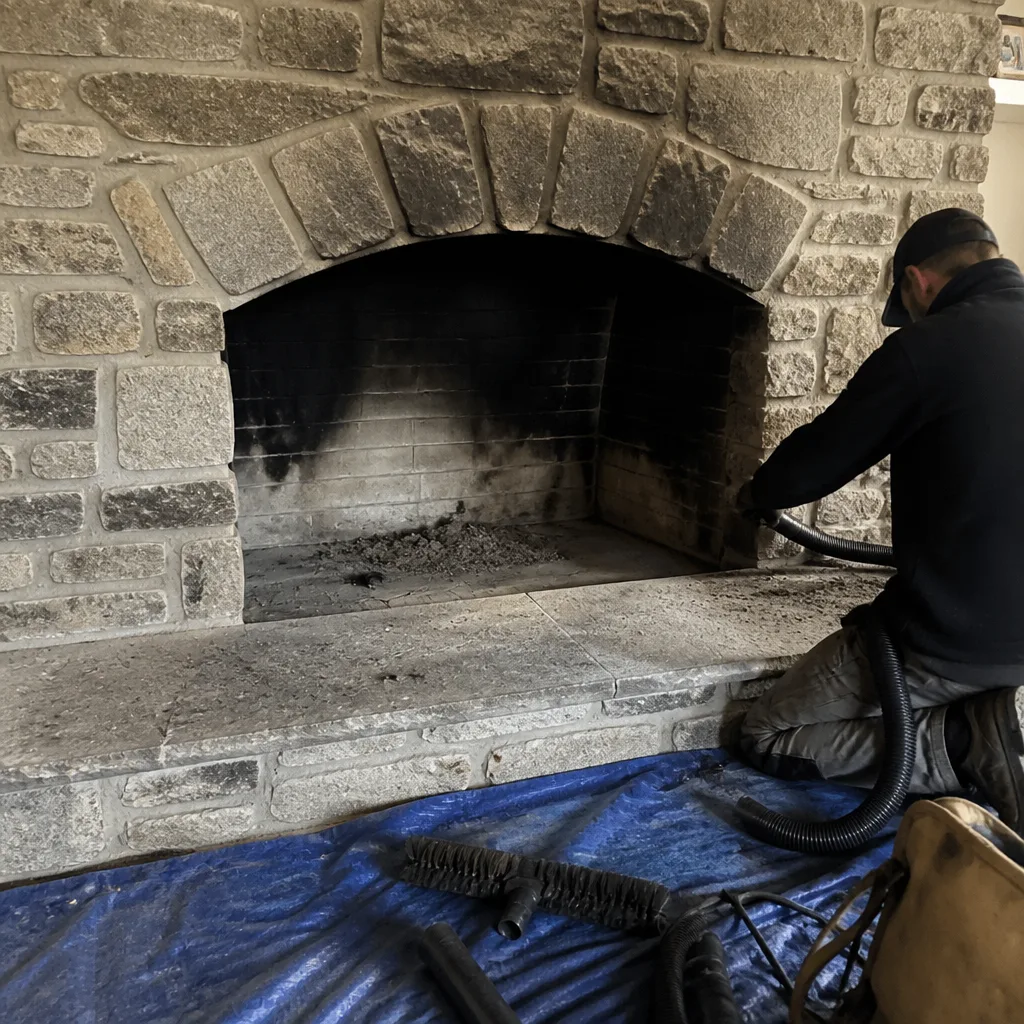 Before
 After
 Before
 After
When to Call a Professional
Some chimney work is routine, and some shouldn’t wait. Call a professional if you’ve burned through a season without a sweep, if you’ve noticed a strong creosote smell or soot falling into the firebox, if the damper sticks or won’t seal, if you’ve seen cracked masonry or a damaged crown, or if your chimney has been through a chimney fire and needs a Level 2 inspection. Choose a professional who inspects as part of the cleaning and shows you what they find. Cleaning, inspection, and repair are related but distinct jobs, and a full-service specialist handles all three so nothing falls between contractors. Chimney Sweep Highland Creek offers free estimates in Highland Creek, with fast dispatch from 7am to 7pm, Sunday through Friday. Call (855) 337-1327 and we’ll get your chimney on a schedule that fits how you actually burn.
Frequently Asked Questions
Chimney cleaning in Highland Creek is priced per job by a written estimate, and the cost depends on the creosote stage, flue access, and whether an inspection or repairs are included. The estimate is free and sets the final price before any work begins. Because the freeze-thaw pattern here can add mortar debris to the buildup, some Highland Creek chimneys need more time than a standard sweep, which the estimate accounts for. Call (855) 337-1327 for an exact quote; estimates are free.
Most homes that use a fireplace regularly should have the chimney swept and inspected once a year. In Highland Creek the interval can shorten if you burn a lot of pine or wet wood, or if the masonry is spalling. If you only burn occasionally, ask about a schedule built around your actual use rather than a fixed annual date. Call (855) 337-1327 and we’ll talk through how you burn and what schedule makes sense.
Only if the inspection shows the existing liner is cracked, deteriorated, or no longer suited to the appliance. That’s a finding, not a default recommendation. We show you video or photo evidence of the liner condition before we recommend relining, and when a HeatShield ceramic resurfacing can restore the firebox or smoke chamber without a full liner replacement, we say so. If the liner is sound, we’ll tell you that too. Call (855) 337-1327 for a free estimate.
Creosote builds in layers and hardens over time, moving from first-degree flaky residue to glazed third-degree creosote that’s highly flammable and hard to remove. A neglected chimney also goes uninspected, so crown cracks, spalling mortar, and liner damage go undetected through freeze-thaw cycles. Skipping cleaning isn’t just about dirt; it’s about losing the inspection that catches structural problems early. Call (855) 337-1327 to get on a schedule.
Not a standard one. Third-degree creosote is glazed and fused to the flue wall, so removing it takes specialized equipment or chemical treatment, and sometimes relining is the right answer. That’s why identifying the creosote stage on the first visit matters so much. We show you what stage you’re dealing with and explain the options. Call (855) 337-1327 for an assessment.
Yes. We offer chimney inspections as a standalone service, which is useful for real estate transactions and insurance requirements where documentation is needed. A standalone inspection follows the same Level 1, 2, or 3 framework. Call (855) 337-1327 with your situation and we’ll confirm the right level.
The Bottom Line
Chimney cleaning in Highland Creek is about more than removing soot. The local clay-heavy soil, the seasonal freeze-thaw swings, and the mix of oak, hickory, and pine burned here create specific buildup and deterioration patterns, and the right cleaning schedule accounts for them. Sweep and inspect every year, understand your creosote stage, and get the full system checked, not just the flue. A full-service visit covers the smoke chamber, damper, firebox, crown, and cap, and it should show you evidence for any repair it recommends. Our technicians have up to 13 years of experience with this work. Whether you’re due for a routine sweep or need a chimney sweep that includes a proper inspection, we can help. For the complete range of services, see Chimney Sweep Highland Creek.
Call (855) 337-1327 for a free estimate. We answer 24/7. Fast dispatch, 7am-7pm. Fix it right the first time, and you won’t be thinking about your chimney again until next season.
Written by the team at Chimney Sweep Highland Creek.