
Last updated November 22, 2026
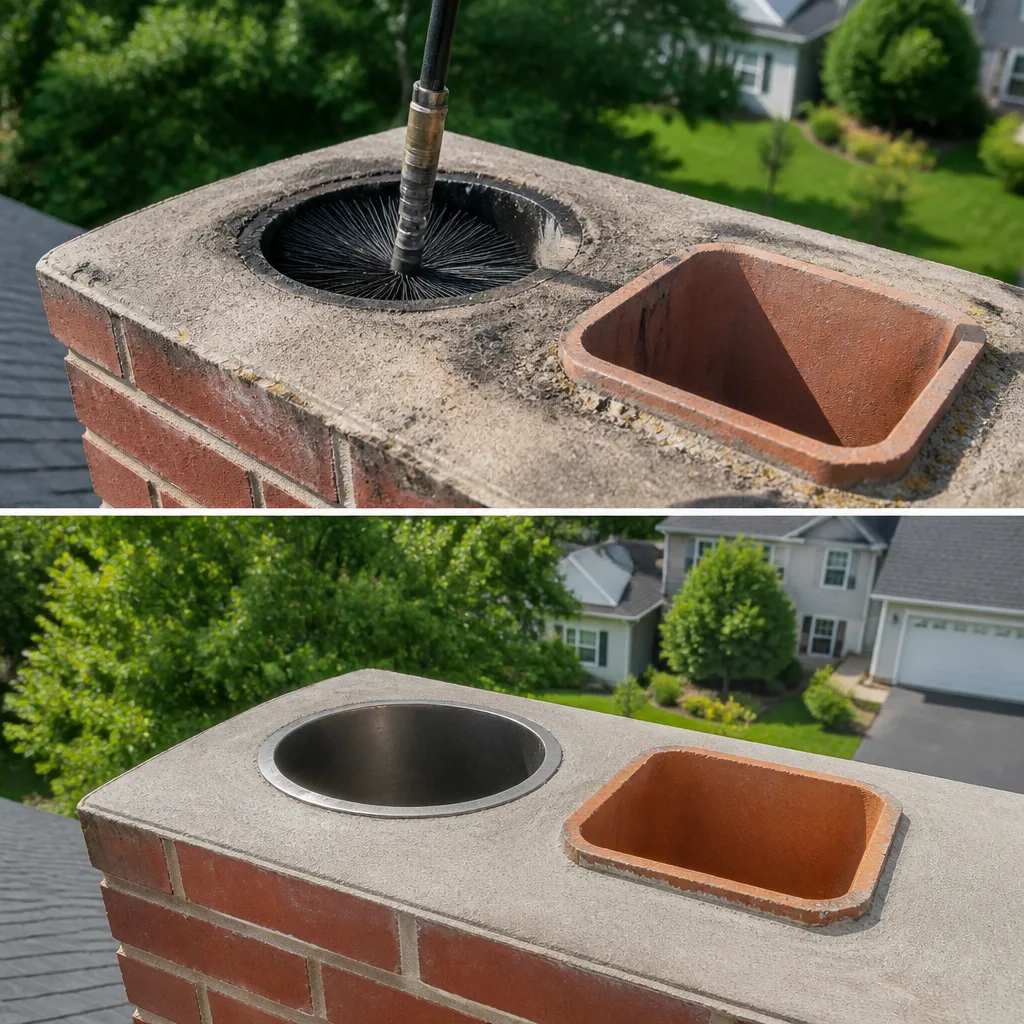 Sweep & inspection
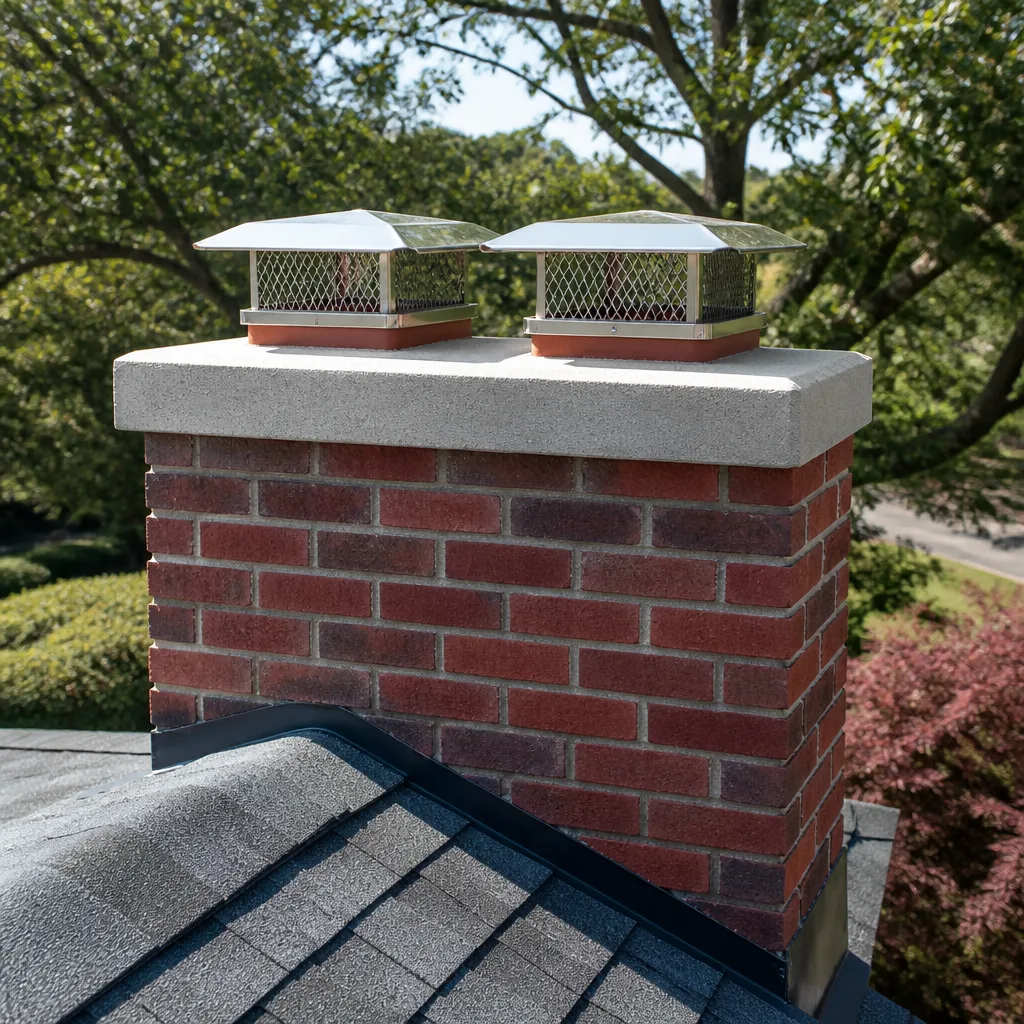 Caps & crowns
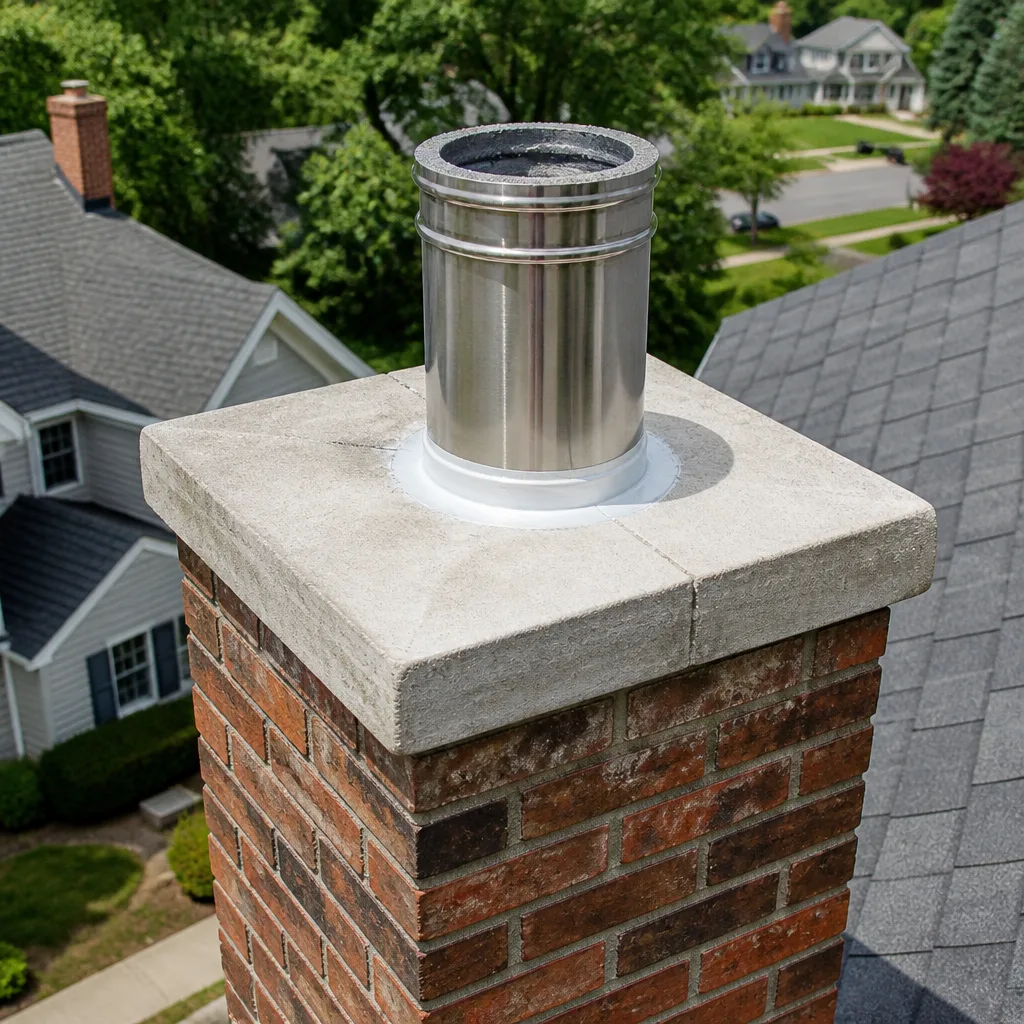 Flue relining
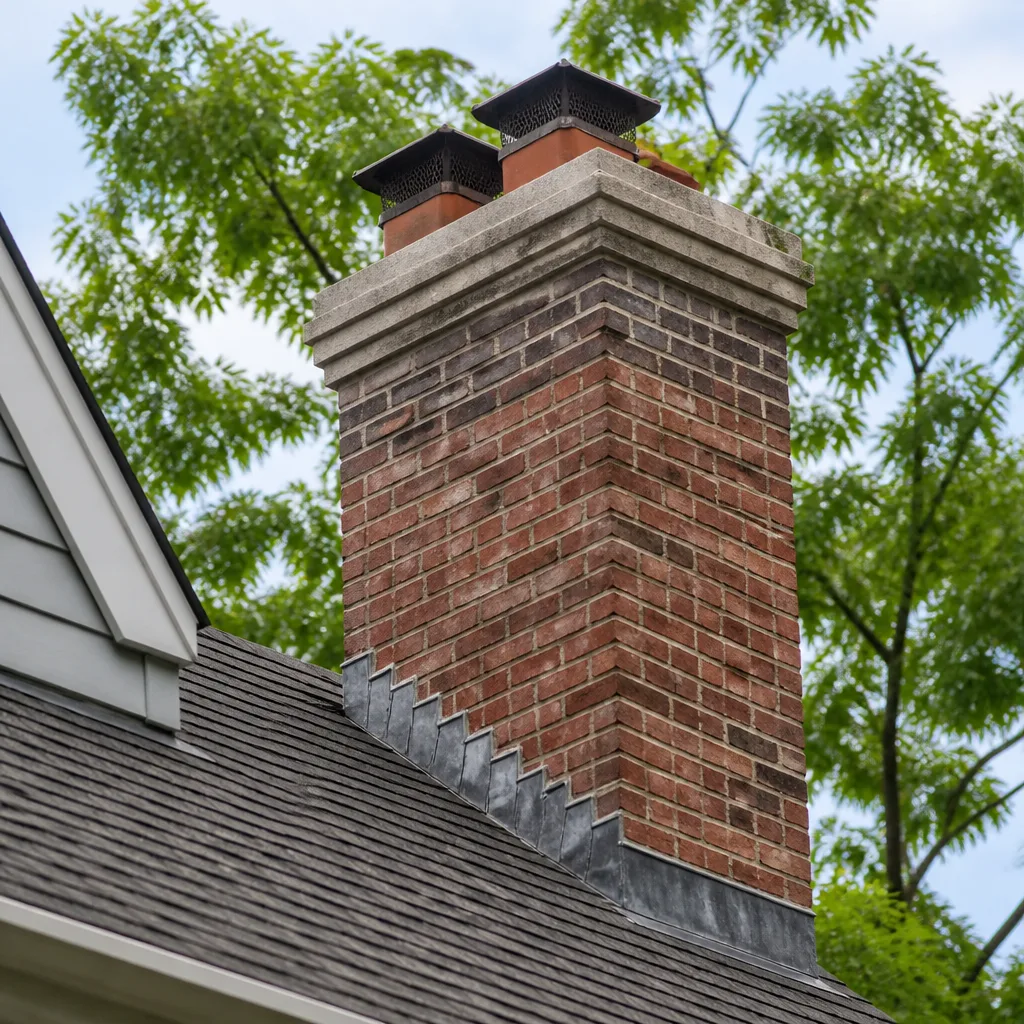 Masonry repair
 Gas fireplace service
Level 1 sweep and inspection to the NFPA 211 annual standard - flue, crown, cap, and flashing checked and photographed
Chimney sweep logs do not sweep chimneys. They loosen some creosote - which then falls where a brush and vacuum still have to collect it.
DIY vs Professional Chimney Cleaning: The Highland Creek Homeowner’s Decision Guide
The problem with DIY chimney cleaning isn’t the brushing. It’s that you won’t know what you missed until something goes wrong. Most homeowners who sweep their own chimney do a decent job on the part they can see. The trouble lives in the parts they can’t: the smoke chamber shelf, the offset around a flue tile joint, the hairline crack behind the damper. A brush gets the easy deposits. It doesn’t tell you whether the flue is sound, whether the liner is compromised, or whether that glaze on the upper wall is the stage of creosote that ignites. This guide gives you an honest framework for deciding whether your chimney in Highland Creek is a reasonable DIY job or a liability you shouldn’t take on.
Quick Answer
DIY chimney cleaning can be reasonable for a simple masonry flue with light, dry, stage 1 creosote, a straight run, and a homeowner who already owns or will buy the right equipment and does a genuine inspection afterward. It is not a safe option for glazed stage 3 creosote, for metal liners or inserts, for a flue with any known damage, or for anyone who can’t inspect the full flue and firebox properly. In most Highland Creek homes, the cleaning is the easy part. The assessment is what actually protects the house, and that’s the part DIY consistently gets wrong.
Styles & brands we work with
- Sweep & inspection
- Caps & crowns
- Flue relining
- Masonry repair
- Gas fireplace service
Table of Contents
- When DIY Chimney Cleaning Is a Reasonable Choice
- When DIY Chimney Cleaning Becomes a Liability
- What a Real DIY Chimney Sweep Requires
- Why Visual Inspection Is the Part DIYers Get Wrong
- Legal and Insurance Realities of Self-Performed Chimney Work in NC
- What Hybrid Chimney Maintenance Looks Like
- The Three Stages of Creosote and Why They Matter
- What a Professional Chimney Cleaning Actually Includes
When DIY Chimney Cleaning Is a Reasonable Choice
DIY sweeping is reasonable under a specific set of conditions, and all of them have to be true at once. If any one of them isn’t, the calculus changes.
- The appliance is a wood-burning fireplace or stove with a straightforward masonry flue. Straight runs with a single flue tile and no offsets are the easiest to brush and the easiest to inspect afterward.
- The creosote is stage 1: soot and light flaky deposits. Stage 1 brushes off easily and leaves a clean black surface. If the walls look shiny, tarred, or waxy, you’re past the DIY stage.
- You burn seasoned wood and haven’t had a chimney fire. Wet wood and restricted air supply are the two main causes of heavy creosote buildup. A past chimney fire, even a small one, is a stop sign for DIY.
- You own or will buy the right tools, not a hardware-store kit. More on that below. The plastic-bristle homeowner kits are fine for light touch-ups and not much else.
- You can inspect the full flue afterward or bring in a professional for inspection only. Cleaning without inspection is a guess. Sweeping plus a professional-level look is the hybrid approach we recommend for the careful DIYer in Highland Creek.
- You’ve done it before and know what “clean” actually looks like. First-time DIYers routinely stop too early because the brush comes out looking black, not because the flue is clean.
If all six of those are true, brushing your own flue once a year before the heating season is defensible. If two or three are true, it’s a gamble. If the creosote is shiny or the flue is unfamiliar to you, it’s a job for a professional.
When DIY Chimney Cleaning Becomes a Liability
The conditions that make DIY dangerous aren’t the ones most homeowners worry about. They’re the ones that don’t announce themselves. Here’s what raises the risk fast:
- Stage 2 or stage 3 creosote. Shiny, tar-like, or hardened glaze doesn’t come off with a standard brush. It needs chemical treatment and mechanical removal, done carefully, and often requires a professional to remove without damaging the flue tile.
- A metal liner or insert. Flexible liners and the flues behind fireplace inserts have to be cleaned with the right brush type for the liner material. The wrong brush can score or tear a liner. You won’t see the damage from above.
- Any known or suspected damage. Cracked flue tiles, a loose brick, a damaged crown, a missing or rusted cap: these all let water and animals in, and brushing a compromised flue can knock material loose and create a blockage.
- A chimney fire at any point in the past. Even a “small” chimney fire can crack flue tiles and warp a metal liner. Only a professional inspection with a camera finds that damage reliably.
- A gas or oil appliance vented through the chimney. These vent into the same flue and produce different deposits. Cleaning is a different process, and the safety stakes (carbon monoxide) are higher.
- Roof access concerns. Getting on a roof to sweep from the top is the most dangerous part of the job. A fall off a Highland Creek roof is a worse outcome than a dirty flue.
- No plan to inspect afterward. DIY cleaning without a proper inspection is the worst of both worlds: you spent the time and you still don’t know what’s inside the flue.
If any of those are true for your chimney, stop and bring in a professional. The savings aren’t worth the variables you can’t see.
What a Real DIY Chimney Sweep Requires
The homeowner kits sold at hardware stores cover the basic idea and very little else. A proper DIY cleaning needs the right tools for the flue type, safe roof access, and drop cloth and containment gear so the soot ends up in a bag, not in the living room.
- Rods and a proper brush sized to your flue. The brush has to match the flue’s inside dimensions and the flue material. Poly brushes for masonry, appropriate brushes for stainless liners. Too small leaves deposits; too large wedges and can crack tile.
- A shop vacuum rated for fine ash, with a HEPA filter. Ordinary vacuums clog and blow fine ash back into the room. A cheap shop vac without a fine-particle filter makes a bigger mess than no vacuum at all.
- Drop cloths and plastic sheeting for the firebox opening. Tape off the opening, cover the hearth and floor, and have a plan for the dust that will still get out.
- Respirator, gloves, and eye protection. Soot and creosote dust are not something to breathe. A dust mask is not a respirator.
- Roof access equipment if you’re brushing top-down. A proper ladder, a roof harness, and a stable footing. If you don’t already own and use this gear, that’s a strong argument for hiring.
- A flashlight and a mirror for inspection. At minimum, a bright light and an angled mirror to look up into the flue from the damper. This is the weakest part of any DIY setup, and we’ll come back to it.
Add up the shopping list for a proper DIY setup and you’re most of the way to the cost of a professional cleaning. That math is worth doing honestly before you commit.
Why Visual Inspection Is the Part DIYers Get Wrong
Cleaning is mechanical. Inspection is interpretive. That’s the gap.
A professional inspection looks at the full flue from both ends, the smoke chamber, the damper, the firebox, the crown, the cap, and the exterior of the chimney. It looks for cracked and missing flue tiles, gaps in the mortar joints, separation between the flue and the surrounding masonry, rust on a metal liner, and the state of the crown and cap. The technician knows what normal wear looks like versus what needs repair, and can tell you when a finding is cosmetic and when it’s structural.
A homeowner looking up a flue with a flashlight sees a dark hole. The perception that it “looks fine” is not because it is fine; it’s because the defect is above the bend, behind the damper, or in the mortar joint that only shows in a camera view. Stage 3 creosote looks like a glossy patch to a trained technician and like a shadow to a homeowner.
In our experience the useful inspection is the one done with a camera, looking at the entire flue, with photos the homeowner can see. A sweep without an inspection is a guess, and a DIY sweep without one is a guess with less information behind it. That’s why we offer chimney sweep and inspection as separate services. If you sweep your own chimney, having the inspection done professionally is the single best compromise.
Legal and Insurance Realities of Self-Performed Chimney Work in NC
North Carolina, like most states, doesn’t have a specific license requirement to sweep your own chimney. It’s your house. What changes when you self-perform is what happens if something goes wrong afterward.
- Homeowners insurance policies generally expect reasonable maintenance. A fire that traces back to a flue that hadn’t been swept, or was swept incorrectly, can complicate a claim. The insurer’s question after a loss isn’t “did you sweep it” but “can you document that the chimney was inspected and maintained.” A professional invoice and inspection report answers that question cleanly.
- Real estate transactions and insurance underwriting often require a professional inspection report. If you sell the home, or your carrier requests proof during underwriting, a homeowner’s own sweep doesn’t produce the documentation they’re looking for.
- Damaged components may void a warranty or coverage. Many wood stove and insert manufacturers require professional installation and documentation to keep a warranty in force. Cleaning that damages a liner creates a problem you didn’t have before.
- Carbon monoxide exposure is a serious safety matter. If a gas appliance vents through your chimney, the flue has to be sound and clear. DIY work on a gas vent is a hard no, and we’d say the same thing on any flue we inspect in Highland Creek.
- Permits apply to some repair and installation work. Sweeping your own chimney doesn’t need a permit. Replacing a liner, rebuilding a crown, or masonry repairs in most NC jurisdictions do, and that work is not in DIY territory. Call your local building department for the specifics of your project.
The main point isn’t that the law forbids DIY. It isn’t. The point is that the paperwork you don’t have is the paperwork that matters after an incident. That’s a real cost that doesn’t show up on the front end.
What Hybrid Chimney Maintenance Looks Like
The best model for the careful Highland Creek homeowner isn’t all-DIY or all-professional. It’s a split. You handle the light upkeep; a professional handles the annual inspection and any cleaning or repair that needs it. Here’s how that works in practice.
What the homeowner can reasonably do:
- Keep an eye on the firebox between cleanings and clear out ash when it piles up.
- Have the chimney cap checked visually from the ground a couple times a year and after any big storm.
- Burn seasoned, dry wood and avoid burning trash or wrapping paper in the fireplace.
- Watch for signs that the chimney needs attention: smoke coming back into the room, a strong smell in warm weather, or a broken or missing cap.
- Note the dates of professional visits and keep any inspection reports handy for insurance.
What a professional should handle:
- The annual inspection, with a camera, looking at the full flue system.
- Any cleaning where creosote is past stage 1, or where the flue type is not masonry.
- Any repair, from crown work to liner replacement to firebox resurfacing.
- Any investigation after a chimney fire, a puff-back, or a suspected CO event.
The reason we push the inspection so hard for DIYers is simple: it’s the piece that makes the DIY part safe. A homeowner who sweeps their own chimney every year and pays for a professional inspection every year gets most of the benefit of both models. A homeowner who sweeps their own chimney and skips the inspection gets almost none of it.
The Three Stages of Creosote and Why They Matter
Creosote is what creosote does. It’s a byproduct of wood combustion that condenses on the inside of the flue, and it varies enormously in how dangerous and how removable it is. The three-stage classification is the one chimney professionals use, and it maps directly to the DIY-versus-pro decision.
| Stage | What it looks like | Removal | DIY? |
|---|---|---|---|
| Stage 1 | Soot and light, flaky deposits. | Standard brushing. | Yes, with the right tools. |
| Stage 2 | Crunchy, flaky, sometimes hardened. | Brushing plus chemical treatment; may need professional equipment. | Usually not. |
| Stage 3 | Glazed, shiny, tar-like; often layered. | Chemical and mechanical removal by a professional. | No. |
Stage 3 creosote is the stage that fuels chimney fires, because it ignites at a much lower temperature than the wood that produced it. A thin glaze of it on the upper flue is enough to be a serious concern. You can’t reliably tell stage 1 from stage 2 from stage 3 with a flashlight from the fireplace opening. You can with a camera view from the top and the bottom, and that’s a big part of what a professional inspection delivers.
Why Highland Creek homes hit stage 2 and 3 more often than you’d expect: the burning season here is long enough that a household burning three or four fires a week can put down substantial creosote between cleanings, especially if the wood isn’t fully seasoned. Burning cooler, smoldering fires also drives deposits. Much of the creosote problem is a burning-habits problem, and it shows up on the flue wall faster than most homeowners realize.
What a Professional Chimney Cleaning Actually Includes
The best way to make the DIY-versus-professional decision is to know what “professional cleaning” actually means. It’s not just someone with a brush. Here’s the standard process a full-service chimney specialist follows.
- A pre-cleaning inspection. The technician checks the appliance, damper, flue, and visible portions of the chimney before any work starts. Problems get flagged before they become bigger ones.
- Containment. Drop cloths, plastic sheeting, and a HEPA vacuum at the firebox keep soot out of the living space.
- Brushing the flue with the correct brush for the flue type. Masonry gets one brush, metal liners get another, and the brush is sized to the flue, not to whatever came in the box.
- Cleaning the smoke chamber, damper, and firebox. This is where a lot of the deposits live, and it’s the section most DIYers don’t reach.
- A post-cleaning camera inspection. A camera goes up the flue from the damper and down from the top, and the technician shows you the photos and explains what they mean.
- A written report. Findings, recommendations, and what can safely wait. Anything recommended is backed by photo evidence you can see for yourself.
- Optional follow-through. If the inspection turned up a damaged crown, a failing cap, or a cracked firebox, the same visit can scope and quote the repair. That’s why we handle chimney cap & crown and fireplace repair as part of the same service relationship rather than sending you off to find a mason and a cap installer separately.
For repairs, the materials matter. HeatShield ceramic repair systems can resurface a firebox or flue in cases where replacement isn’t yet necessary, which is a big difference from a sweep-only provider who can only clean, or a liner installer who only quotes a full reline. DuraFlex liner systems handle wood, gas, and oil appliance relining when replacement is the right call. Gelco, Olympia Chimney, Famco, and Copperfield caps and crowns round out the options, so the technician can match the material to the specific job instead of forcing one product line onto every chimney.
That’s what a full-service chimney specialist looks like versus a one-visit sweep operation. And it’s the strongest argument for the professional path: the inspection, the documentation, and the ability to fix what the inspection finds all come from one provider.
Common Mistakes to Avoid
- Sweeping once and calling it maintenance. A single sweep at the start of a burning season doesn’t replace annual inspection. Chimneys change between seasons, and the flue tile that looked fine last fall may be cracked this one.
- Using a hardware-store kit on a metal liner. The wrong brush on a stainless flexible liner can score or tear it, and you won’t see the damage from the fireplace. Use the brush that matches the liner material or leave it to a professional.
- Skipping the inspection because the sweep “looked clean.” Clean and safe are two different things. A chimney can be brushed down to bare tile and still have cracked joints, a damaged crown, or a separation between the flue and the surrounding masonry that will let moisture in. Only an inspection finds those.
- Ignoring the crown and cap until water gets in. The crown is what sheds water off the top of the chimney. A cracked crown lets water into the masonry, and freeze-thaw cycles in this climate turn a hairline crack into a real repair. Cap and crown are part of the system, not separate from it.
- Assuming DIY is always cheaper. By the time you buy the correct brushes, rods, a HEPA shop vac, respirator, drop cloths, and roof access equipment you didn’t own, the math usually doesn’t favor DIY for a one-time cleaning. It can for yearly upkeep if you already own the gear.
- Burning unseasoned wood and then blaming the sweep. Green or wet wood lays down creosote much faster than seasoned wood. If your chimney seems to need cleaning more often than you’d expect, look at the fuel before you look at the sweep.
- Not keeping the paperwork. An inspection report and a cleaning invoice are the two documents an insurer, a home buyer, and a future you want on file. A DIY sweep in a notebook doesn’t carry the same weight.
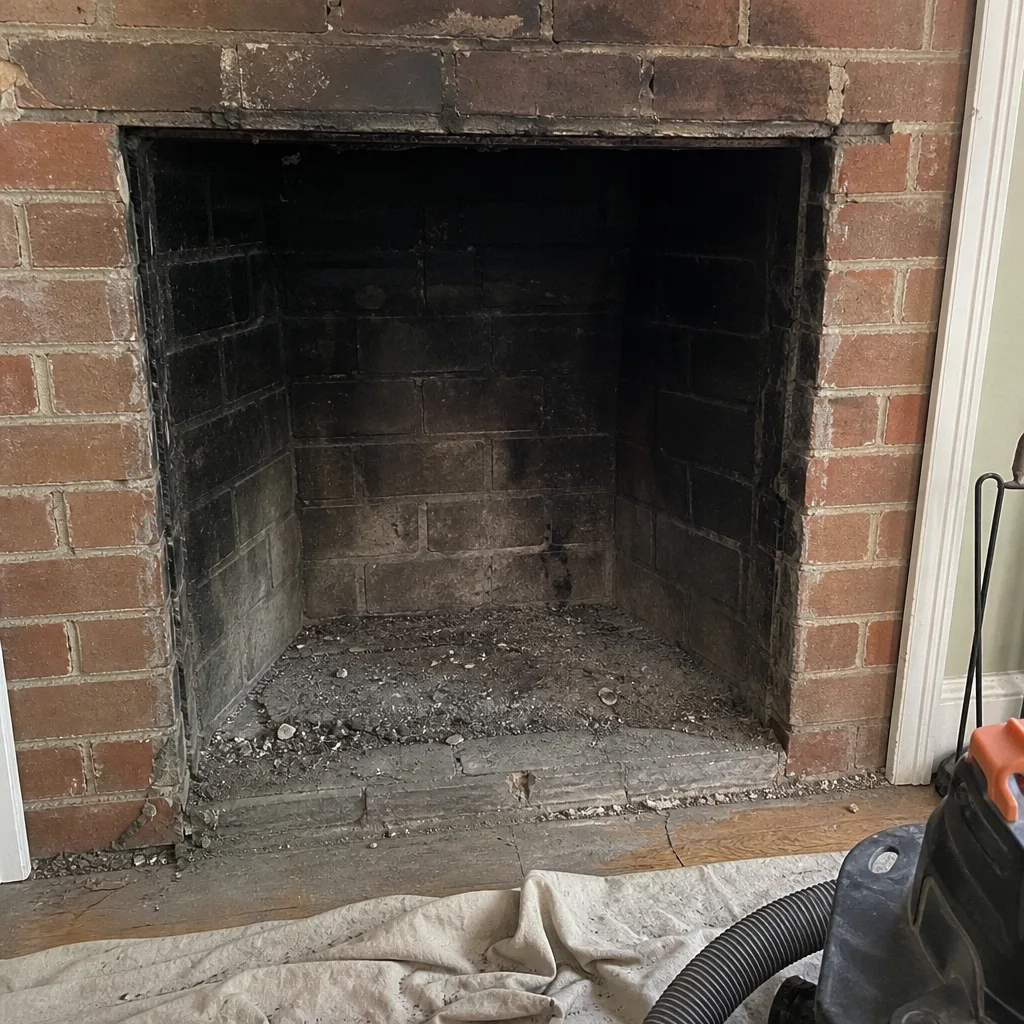
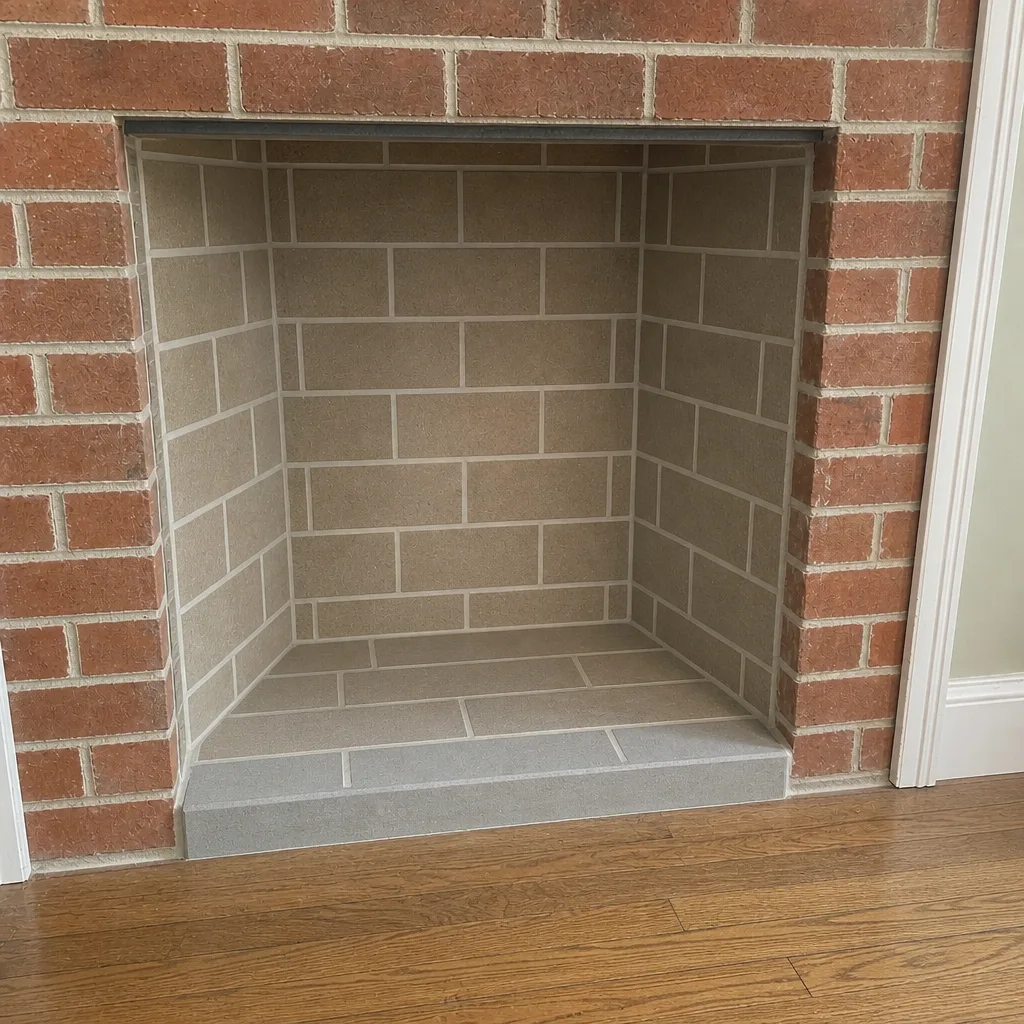
See the difference
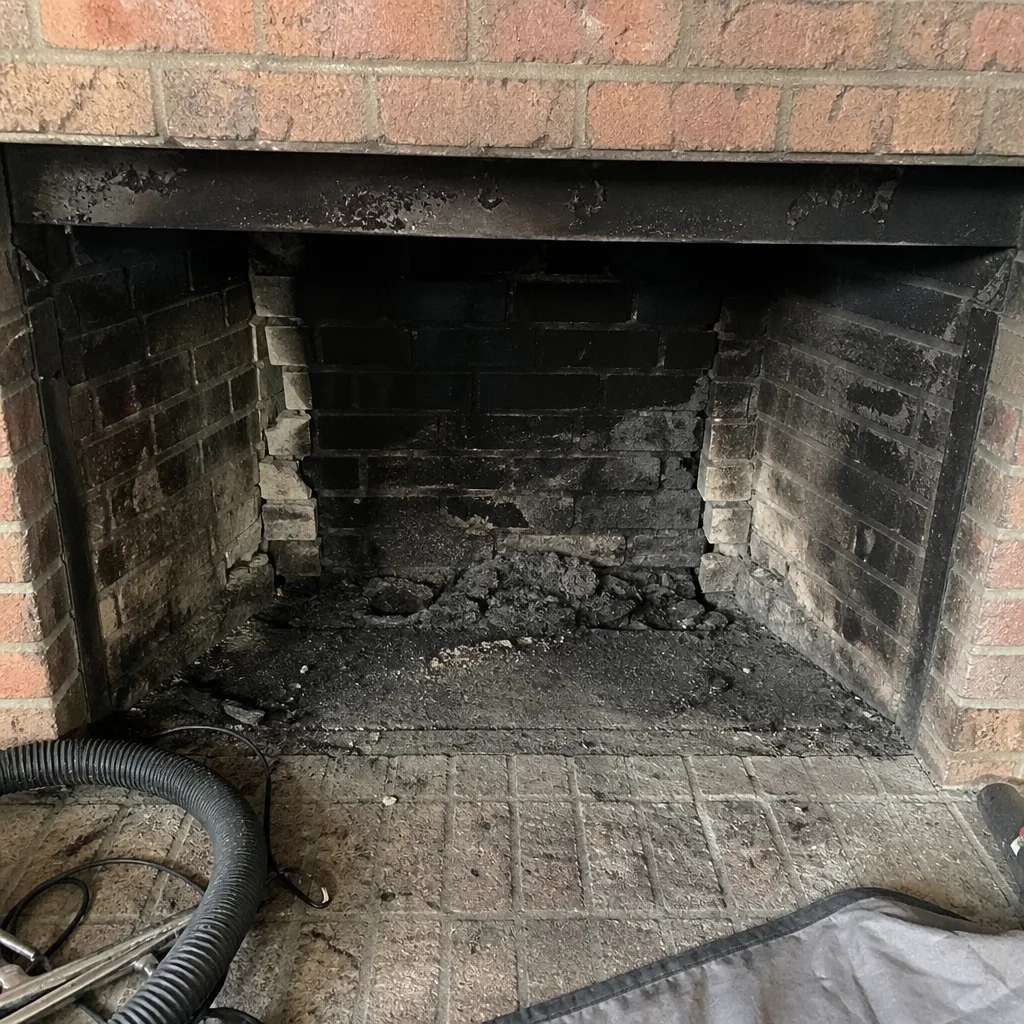 Before
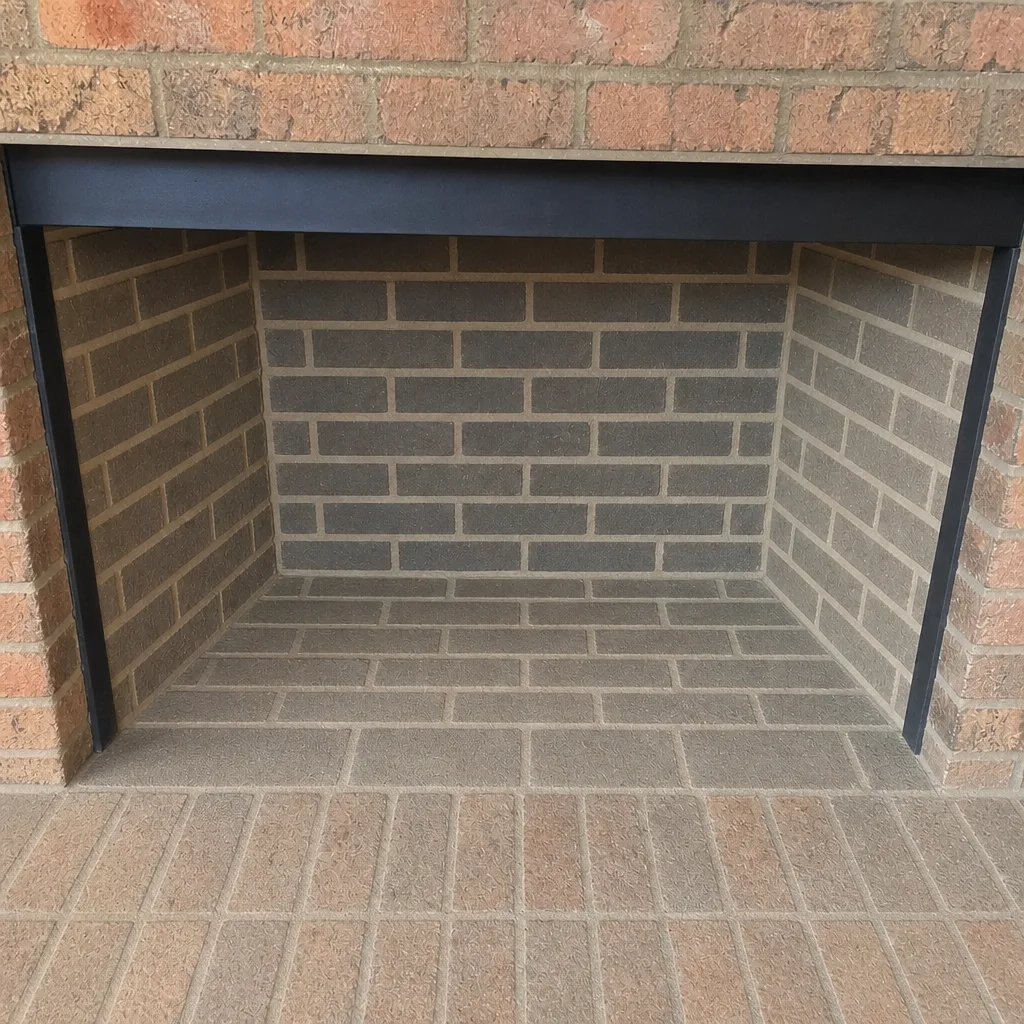 After
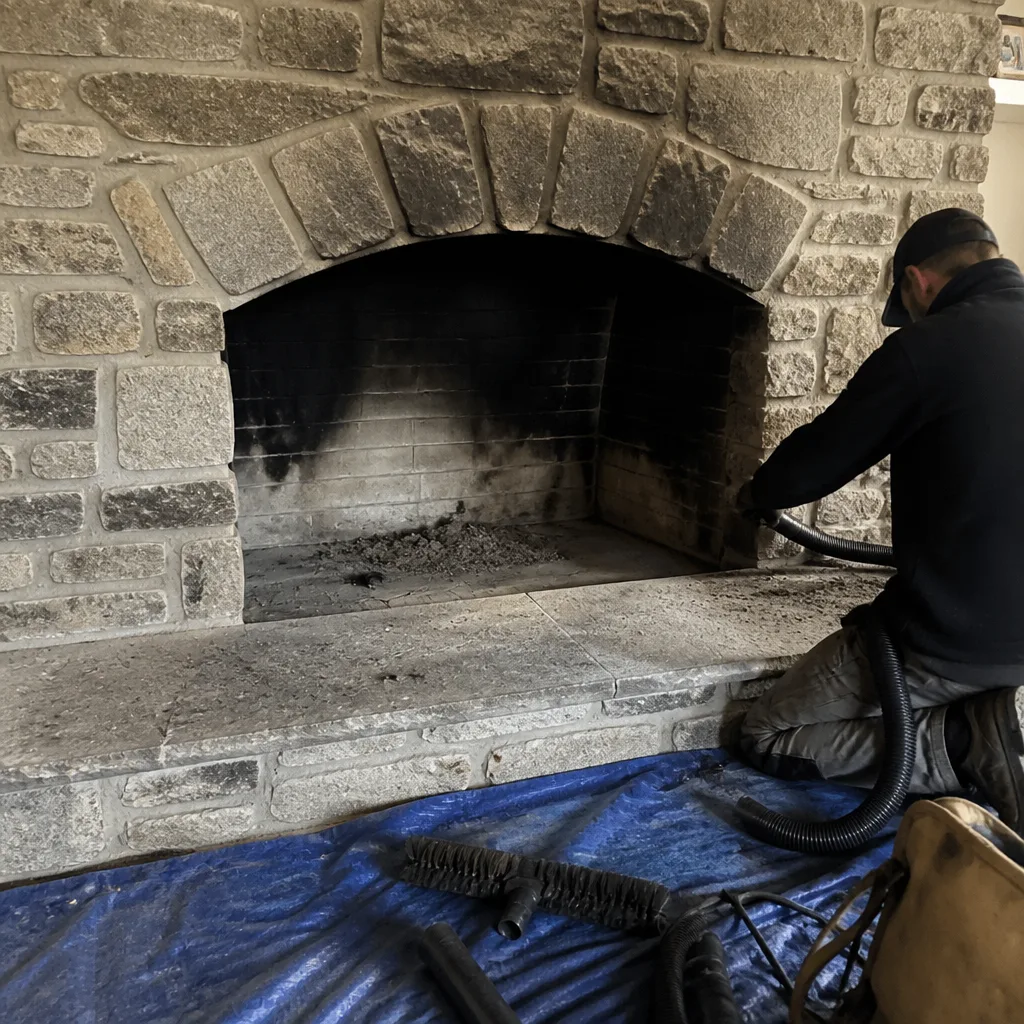 Before
 After
 Before
 After
When to Call a Professional
Call a professional when any of these are true: you haven’t had the chimney inspected in more than a year; the creosote on the flue walls is shiny or hardened; the appliance is a gas or oil appliance; the flue is a metal liner or behind an insert; there has been a chimney fire at any point; the chimney cap is broken or missing; the crown is cracked; you’re buying or selling the home; or you simply can’t get onto the roof safely to do the job properly. For Highland Creek homeowners, we can look at the chimney, show you what we find, and tell you honestly when the DIY path is reasonable and when it isn’t. Chimney Sweep Highland Creek offers free estimates in Highland Creek. Call (855) 337-1327. We answer 24/7. Fast dispatch from 7am to 7pm, Sunday through Friday.
Frequently Asked Questions
Yes, if your chimney is a simple masonry flue with only stage 1 soot and you have the right equipment and will pay for a professional inspection afterward. It’s not a safe DIY job if the flue is metal, the appliance is gas or oil, the creosote is shiny or glazed, or there’s any known damage. Call (855) 337-1327 for an exact quote on an inspection – estimates are free.
A typical chimney cleaning runs in the same ballpark as a professional inspection, and the written estimate sets the final price for the specific job. Bundled cleaning and inspection is usually the best value. Call (855) 337-1327 for an exact quote – estimates are free.
You can’t tell reliably with a flashlight from the fireplace. Stage 1 is light soot and flakes, stage 2 is crunchy or hardened, and stage 3 is glazed and shiny. A camera inspection is the only reliable way to identify the stage, which is why we recommend an inspection even if you do the brushing yourself. Call (855) 337-1327 to book an inspection – estimates are free.
Not always. A firebox or flue that’s scored, cracked, or spalling can often be repaired with HeatShield ceramic resurfacing instead of a full liner replacement, which is one reason we like having both options on hand. The recommendation should always be backed by camera evidence you can see. Call (855) 337-1327 for an inspection and a straight answer – estimates are free.
Once a year for most households, and annually regardless of how often the fireplace is used, because inspection covers more than cleaning. Homes that burn heavily or burn unseasoned wood sometimes need more frequent visits. Call (855) 337-1327 to get on a yearly inspection rhythm – estimates are free.
Nothing visible happens, and that’s the problem. Creosote builds, flue tiles crack, and a crown fails quietly, none of which announces itself from the fireplace. The first sign is often a chimney fire, a puff-back, or moisture in the masonry. Call (855) 337-1327 for an inspection – estimates are free.
Most policies expect reasonable maintenance and want documentation of it. A professional inspection and cleaning report is the documentation they look for after a loss. DIY sweeping doesn’t produce that record, which can complicate a claim. Call (855) 337-1327 for an inspection and a written report – estimates are free.
Yes. We offer inspection as a standalone service, which is exactly the option that makes sense for a homeowner who sweeps their own chimney. It’s also what real estate transactions and insurer underwriting typically need. Call (855) 337-1327 to book a standalone inspection – estimates are free.
The Bottom Line
DIY chimney cleaning isn’t wrong. It’s just conditional, and the conditions that make it safe are the ones homeowners are least equipped to assess: the stage of the creosote, the condition of the flue tiles, the state of the crown and cap, the liner behind the insert. If your chimney meets the DIY criteria and you’ll pair the brushing with a genuine professional inspection, that’s a reasonable way to save money on the easy part of the work. If any of the risk criteria apply, the savings aren’t real. For most Highland Creek homes, the best model is the hybrid one: owner-performed upkeep, professional annual inspection, and professional work for anything the inspection turns up. That’s how you keep your chimney system safe, documented, and code-compliant without spending more than the job actually needs. The whole chimney system is connected. Cap, crown, liner, firebox, flue. Treat it that way and it’ll serve the house the way it should. Call (855) 337-1327. We answer 24/7. Fast dispatch from 7am to 7pm, Sunday through Friday.
If you’re ready to book an inspection or a cleaning, or you just want to know what’s actually going on in your flue, Chimney Sweep Highland Creek can look at the whole system, show you what we find, and give you a written estimate before any work is scheduled. Estimates are free.
Written by the team at Chimney Sweep Highland Creek.