
Last updated November 22, 2026
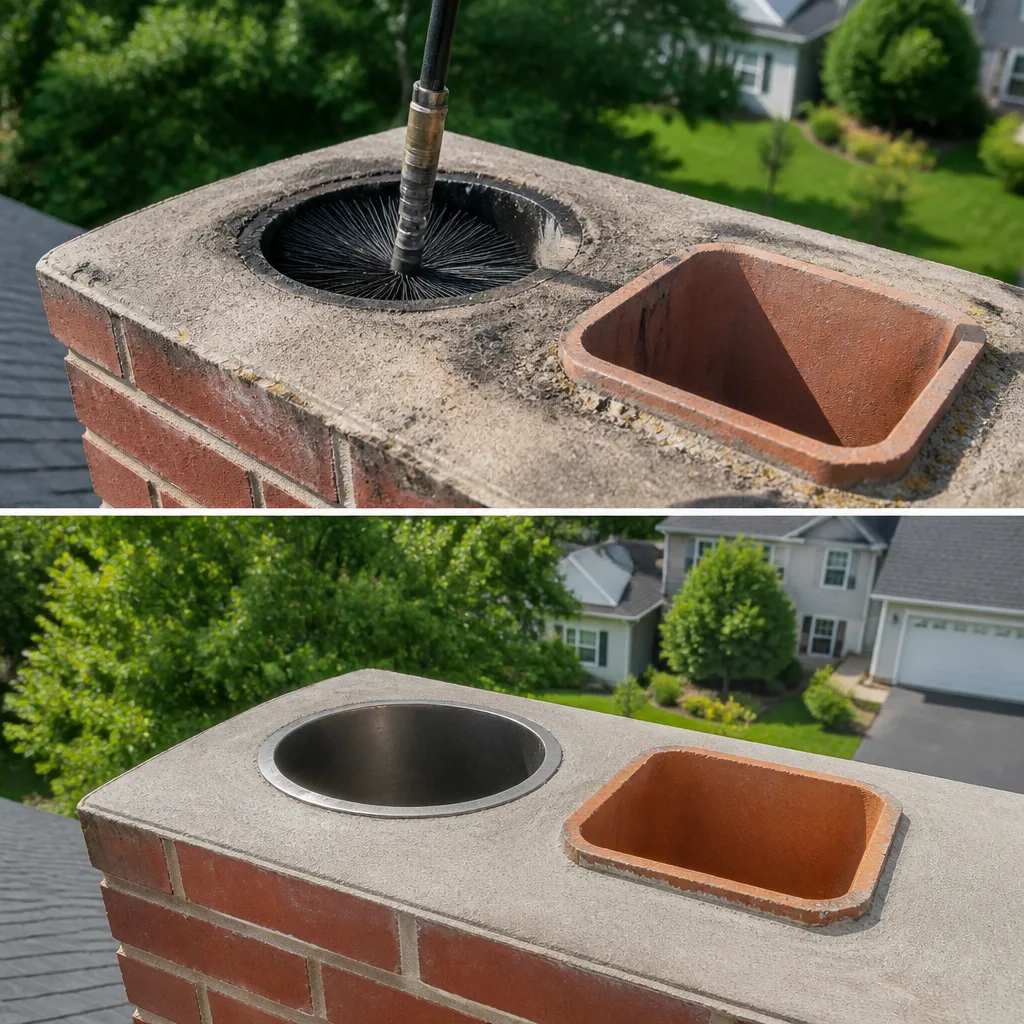 Sweep & inspection
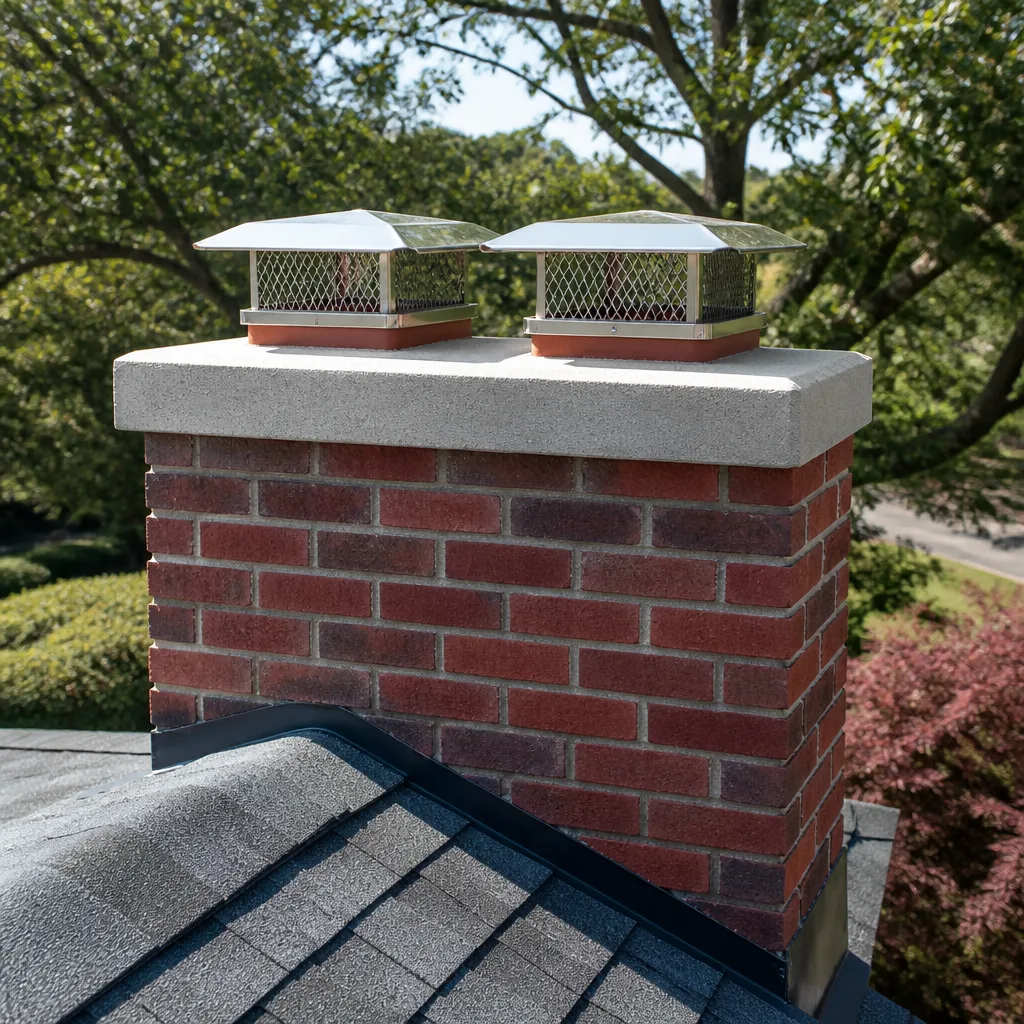 Caps & crowns
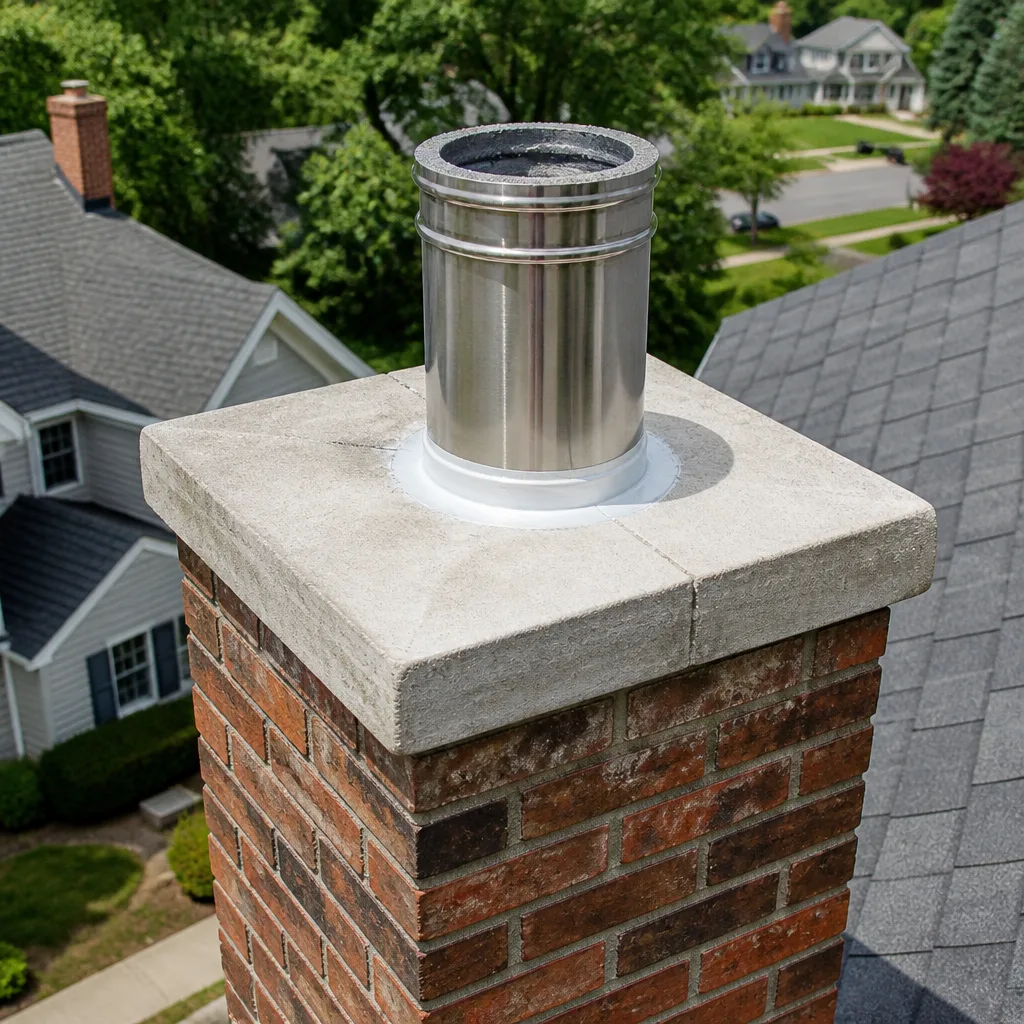 Flue relining
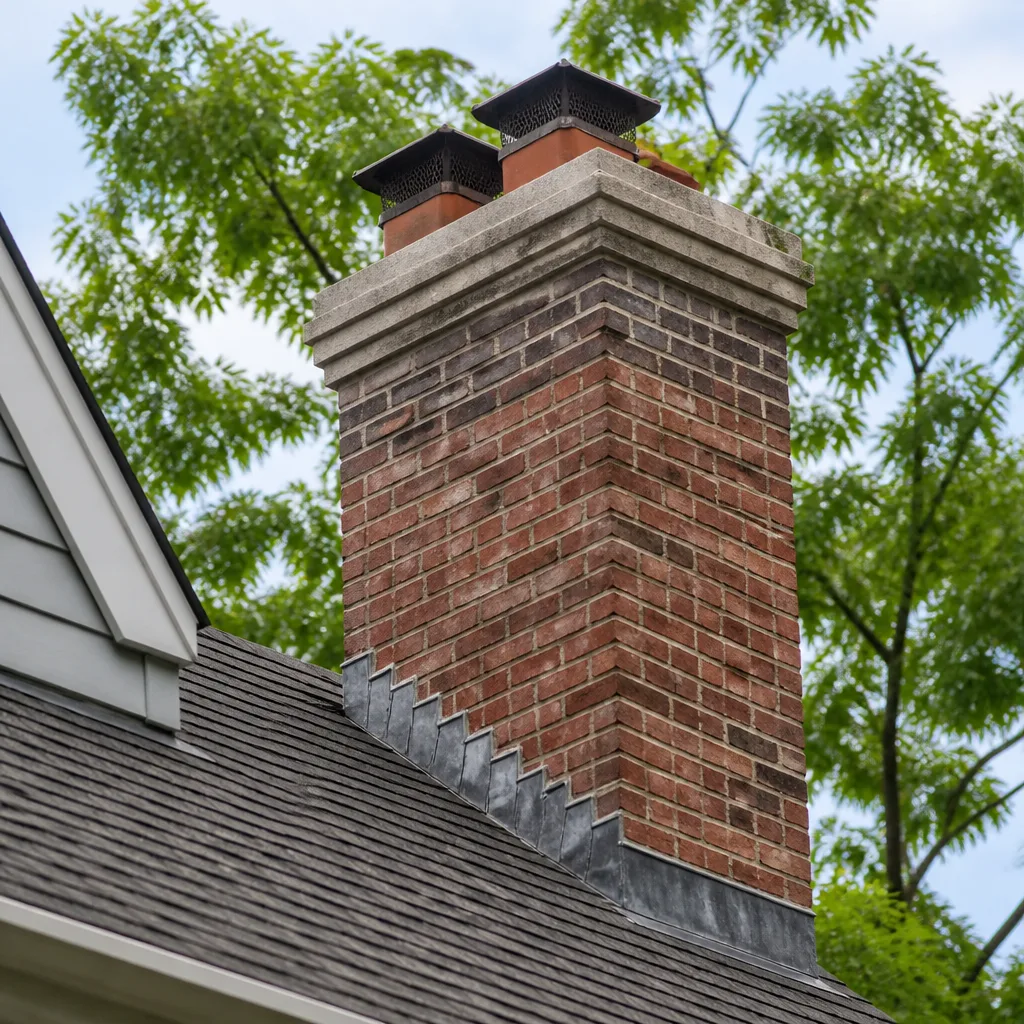 Masonry repair
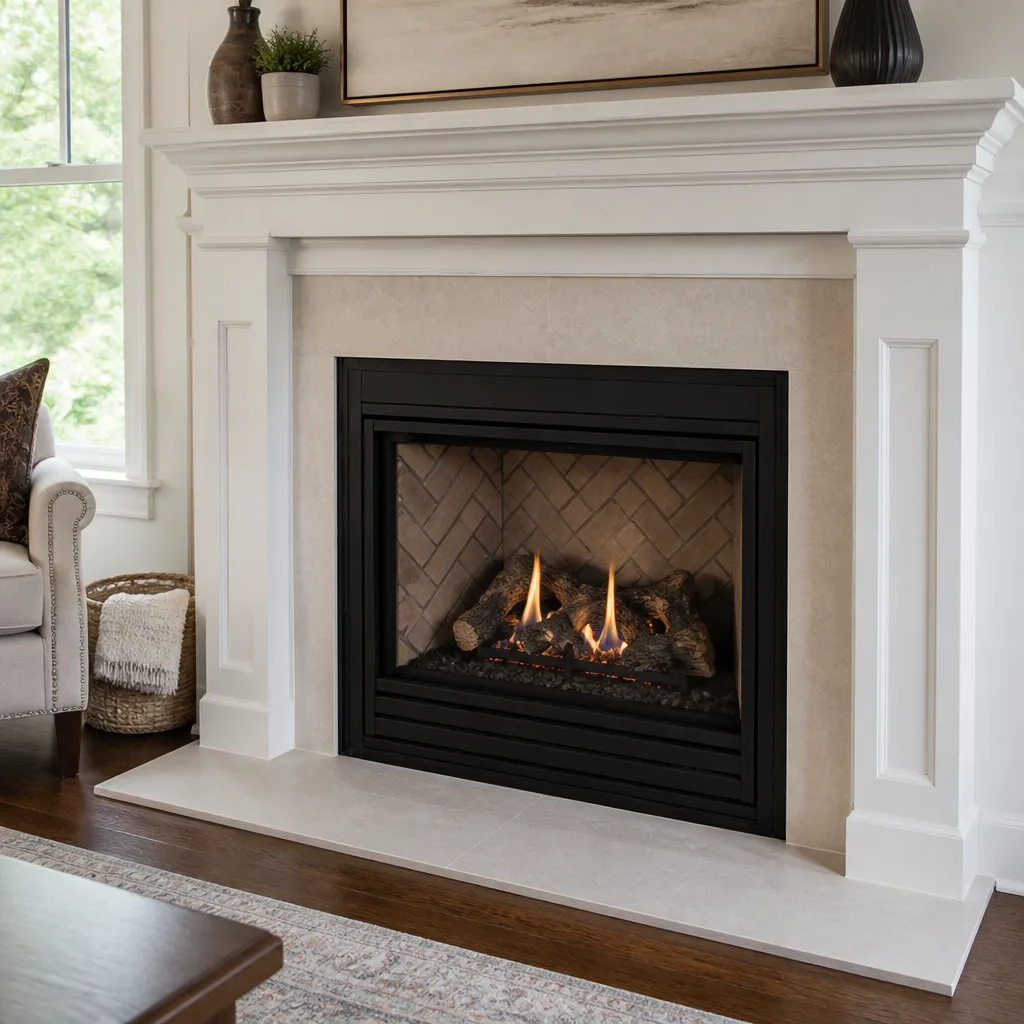 Gas fireplace service
Level 1 sweep and inspection to the NFPA 211 annual standard - flue, crown, cap, and flashing checked and photographed
Chimney sweep logs do not sweep chimneys. They loosen some creosote - which then falls where a brush and vacuum still have to collect it.
Chimney Sweep Maintenance Checklist for Highland Creek Homeowners
The chimney cap is usually the first thing to fail and the last thing anyone looks at. Here in Highland Creek, storm season has a way of turning that oversight into a repair bill, because a missing or loose cap lets water straight into the flue and the crown above it. Most homeowner checklists floating around online ignore the parts that actually break in this climate: the crown, the flashing seal, the damper seat. This guide fixes that. You’ll get a month-by-month checklist tied to Highland Creek’s real seasons, a clear split between what you can safely check from the ground and what needs a camera and a professional, and a simple way to log your chimney’s condition year over year.
Quick Answer
A working chimney maintenance checklist for a Highland Creek home covers four things every year: a professional sweep and inspection, a ground-level look at the cap, crown and flashing, a check of the damper and firebox, and a written record of what changed since last year. You can safely observe most exterior components from the ground, but the flue interior, the damper seal and the firebox joints need a camera and trained eyes. Follow the seasonal schedule below, log what you find, and the gradual wear that leads to structural damage gets caught while it’s still a small fix.
Styles & brands we work with
- Sweep & inspection
- Caps & crowns
- Flue relining
- Masonry repair
- Gas fireplace service
Table of Contents
- Why Most Chimney Checklists Miss What Fails in Highland Creek
- The Month-by-Month Maintenance Calendar
- What You Can Check Yourself vs. What Needs a Professional
- Ground-Level Checks: Cap, Crown and Flashing
- Interior Checks: Damper Seat, Firebox and Flue
- How to Log Chimney Condition Year Over Year
- What to Record After Every Professional Visit
- Common Mistakes to Avoid
- When to Call a Professional
- Frequently Asked Questions
Why Most Chimney Checklists Miss What Fails in Highland Creek
Search for a chimney maintenance checklist and you’ll find the same four items repeated everywhere: sweep once a year, check the cap, look for creosote, call a pro. That’s a reasonable starting point, but it’s built for a generic climate and a generic house. It doesn’t tell you that in Highland Creek, the freeze-thaw cycle on the crown is what cracks masonry, that summer storms test the flashing seal more than winter ever does, or that a damper that no longer seats cleanly is quietly costing you heat every fire.
A checklist only earns its place if it tracks the indicators that actually predict failure here. That means watching the crown for hairline cracks after a cold snap, watching the flashing where the chimney meets the roof for separation after heavy rain, and watching the damper seat for the gap that lets warm air escape up the flue when the fireplace is cold. None of these show up on a template. All of them matter in Highland Creek.
We built this checklist around those components because they’re the ones we see degrade first. The exterior shell takes the weather. The interior takes the heat. A maintenance routine that watches both, on the right schedule, catches problems while they’re still cheap to fix. The rest of this guide walks you through it season by season, with a clear line between what you can safely observe and what a professional needs a camera to assess.
- The crown cracks from freeze-thaw cycles and lets water into the masonry below it.
- The flashing seal separates where the chimney meets the roof, opening a path for water into the attic.
- The damper seat wears and stops sealing, letting conditioned air escape when the fireplace is idle.
- The cap loosens or loses its mesh, letting rain, birds and debris into the flue.
- The firebox joints crack from repeated heating and cooling, weakening the structure around the fire.
The Month-by-Month Maintenance Calendar
Highland Creek’s seasons have a shape a chimney checklist should follow. Winter brings the heaviest fireplace use and the freeze-thaw swings that stress masonry. Spring brings rain that finds every gap in the exterior shell. Summer heat bakes the crown and drives storm activity. Fall is when you want the system ready before the first fire. The calendar below spreads the work across the year instead of dumping it into a single “fall” bucket that’s really only good for one thing.
January through February
Peak burning season. Watch for smoke rolling back into the room, a fire that’s harder to start than last year, or a strong smoky smell on cold mornings. Those point to a flue that’s overdue for cleaning or a damper that isn’t sealing. Book your sweep for late spring so you’re not competing for a slot once the season ends.
March through April
Once the burning tapers off, this is the window for the annual professional sweep and inspection. Creosote has had a full season to accumulate, and the technician can see the whole flue clean before summer. Do your ground-level check of the cap and crown in March, before spring rain does its work.
May through June
Rain season is where flashing and crown cracks show themselves as water stains on the ceiling or dampness at the chimney base. Look at the flashing seal after a heavy rain. This is also a good month for any crown repair the inspection flagged, since the material cures reliably in warm, dry weather.
July through August
Heat and storms. The crown bakes and any hairline cracks open wider. Check the cap after any strong wind. If you’re planning a firebox or liner repair, summer is the time to schedule it so the work is done well before fall.
September through October
Pre-season readiness. Confirm the sweep and inspection are current, test the damper by hand, and clear any debris off the cap. If your last inspection flagged anything, this is the last comfortable window to fix it before the first fire.
November through December
Back to burning. Keep an eye on how the fire draws. A change in draft is the earliest signal that something in the flue or damper has shifted since last season.
What You Can Check Yourself vs. What Needs a Professional
The single biggest mistake in home chimney maintenance is mixing up what you can safely observe with what requires training, tools and access. The line is clearer than most people think. From the ground, you can see the exterior shell, the cap and the flashing. Inside, you can work the damper and look into the firebox. Everything past that point needs a camera, a trained eye and the physical access to be up on the roof safely.
Safe for a homeowner, from the ground
- Look at the chimney cap from the yard: is it square, attached, and is the mesh intact?
- Scan the crown at the top of the chimney for visible cracks or crumbling edges.
- Check the flashing where the chimney meets the roof for lifted or separated metal.
- Work the damper by hand and feel for a clean seal at the seat.
- Look into the firebox for cracked bricks or deteriorating mortar joints.
- Note any smoke smell, draft change or water stain and write it down.
Requires a professional
- The flue interior past the first few feet, which needs a camera to assess accurately.
- The damper seat seal, which you can feel but can’t fully evaluate without disassembly.
- Creosote levels, which only a trained eye and a proper sweep can judge.
- Liner condition, including cracks and gaps you can’t see from the firebox.
- The roof-level condition of the crown and flashing, which needs safe access to inspect closely.
- Structural masonry, where any question about joints, ties or movement needs a trained inspection.
We always tell Highland Creek homeowners the same thing: a sweep without an inspection is a guess. The cleaning tells you the flue is clear. The camera tells you whether everything around it is sound. You want both.
Ground-Level Checks: Cap, Crown and Flashing
Three exterior components do most of the work of keeping water out of your chimney, and all three can be assessed from the ground with a good pair of eyes and a pair of binoculars. These are the checks to do after every storm, and at least once a season, because in Highland Creek’s storm season these are the components that fail first.
The chimney cap
The cap sits at the top of the flue and keeps rain, snow, birds and debris out while letting smoke escape. From the ground, check that it’s level and attached, that the mesh or screen is intact, and that no branches or debris are sitting on it. A cap that’s loose, missing or damaged is the most common cause of water ending up inside a flue, and water is the leading driver of interior damage. If the cap needs replacement, we install products from Olympia Chimney because it’s what professionals actually use on their own homes.
The crown
The crown is the sloped concrete or masonry cap at the very top of the chimney structure, and its job is to shed water away from the masonry below. Cracks in the crown let water in, and in Highland Creek’s freeze-thaw swings that water expands and widens the crack. From the ground, look for visible cracks, crumbling edges or a crown that’s pulling away from the flue. Small hairline cracks can often be sealed, but a crown that’s failing structurally needs to be rebuilt correctly. Our chimney cap & crown work handles both.
The flashing
Flashing is the metal seal where the chimney meets the roof, and it’s the component most likely to let water into the attic without your ever seeing it from below. From the ground, look for lifted, separated or rusted flashing at the roofline. From inside the attic, look for water stains near the chimney penetration. A flashing seal that’s failed is a roofing-adjacent fix that we handle alongside the rest of the chimney system, so you don’t have to coordinate a separate roofer, mason and sweep.
Interior Checks: Damper Seat, Firebox and Flue
Inside the house, three areas matter most. The damper seat, the firebox and the flue form a chain, and a weakness in any one of them affects how the whole system performs. Here’s what to look at and what to leave to a professional.
The damper seat
Open and close the damper by hand and feel for a clean, complete seal at the seat. A damper that no longer closes tightly lets conditioned air escape up the flue when the fireplace is cold, and it lets cold air down when you’re trying to heat the room. If the seat is warped or the damper sticks, that’s a repair, not a cleaning issue. It’s also one of the most commonly skipped items on homeowner checklists.
The firebox
Look into the firebox for cracked firebrick, deteriorating mortar joints, or gaps where the firebox meets the surrounding masonry. Small cracks in the firebox can grow and eventually compromise the structure around the fire. This is where HeatShield ceramic repair systems come in. They let us resurface the firebox and flue without a full replacement, which is a professional-grade alternative most sweep-only companies don’t offer. If the firebox needs fireplace repair, we handle it in the same relationship as the sweep.
The flue and liner
The flue and its liner are where a camera is non-negotiable. From the firebox level you can see the first few feet, but the rest of the flue needs a proper inspection. Cracked or missing liner sections, heavy creosote, or gaps at joints are all problems the camera catches and your eye won’t. For relining, we use DuraFlex flexible liner systems for wood, gas and oil appliances because they’re a professional-grade option for complex jobs. Ask to see the camera footage, and ask what it means. Here’s what we found and here’s what it means, in plain language, is how a real inspection should read.
How to Log Chimney Condition Year Over Year
Chimney problems are rarely sudden. They develop over seasons, and the only way to see the trend is to write it down. A simple log turns a series of disconnected annual visits into a picture of how your chimney is actually aging. This is the part most homeowners skip, and it’s the part that pays off the most.
Keep a single document or notebook for your chimney. At every ground-level check and every professional visit, record the same handful of items so you can compare year to year. The format matters less than the consistency.
- Date and season. Note when each check happened and after what weather.
- Cap condition. Attached, level, mesh intact, or any change.
- Crown condition. Cracks present, size, whether they’ve grown since last year.
- Flashing condition. Sealed, lifted, rusted, or water staining inside.
- Damper seal. Clean seat, slight gap, sticking, or repaired.
- Firebox condition. Cracks, mortar joints, any resurfacing done.
- Professional findings. What the camera showed, what was cleaned, what was flagged, what was fixed.
- Photos. A phone photo of the crown and cap each season makes change obvious.
Two years of this and you’ll start to see patterns: a crown crack that widens every cold snap, or a damper that needs adjusting every season. That’s how you catch gradual deterioration before it becomes structural. It’s also how you give the next technician real data instead of a vague memory of “the last guy said something about the crown.”
What to Record After Every Professional Visit
The value of a professional visit goes up dramatically if you capture the results while they’re fresh. The inspection report is the baseline. The log you keep is the trend. Together they let any future technician pick up exactly where the last one left off.
Here’s what to record after every professional visit, and why each item matters:
- The date and the technician’s findings. Written down, not remembered. Include what was cleaned and what was flagged.
- Camera inspection notes. Note the flue condition, liner condition, and any creosote level reported. Ask for the footage if you want a copy.
- Photos of the crown, cap and flashing. Take your own from the ground, or ask for the technician’s roof-level photos.
- Any repairs performed, and the materials. Note the brand and component if a cap, crown, liner or HeatShield resurfacing was done. This log tells the next technician what’s been installed and when.
- What was recommended but not done. A watch item, not a pushed upsell. Note it and the reason it can wait, if it can.
- The next service window. Sweep and inspection should be scheduled on a calendar, not left to memory.
We keep inspection records available as a standalone service because real estate transactions and insurance reviews need them, and because it’s simply good practice. A chimney inspection is worth having even when it isn’t bundled with a cleaning, and it gives you a real document to log against.
Common Mistakes to Avoid
- Checking only in the fall. Fall is when you want the chimney ready, but the components that fail in Highland Creek fail during winter freeze-thaw and spring rain. Spread the checks across the year, not into one season.
- Skipping the cap because you can’t see the top. The cap is the first thing to fail and the easiest to overlook from the ground. A quick look with binoculars after every storm keeps it in view.
- Treating a sweep as a full inspection. A sweep clears the flue. An inspection with a camera tells you whether the liner, damper seat and firebox are sound. You need both, and a sweep without an inspection is a guess.
- Assuming a small crown crack is harmless. In Highland Creek’s freeze-thaw cycle, a hairline crack in the crown widens every cold snap. It’s the cheapest thing to fix while it’s small and the most expensive thing to ignore.
- Ignoring the flashing seal after heavy rain. Flashing separation sends water into the attic without any visible sign at the chimney. Check it after storms, not just once a year.
- Trusting a “you need a full reline” without seeing the evidence. Nothing should be recommended without camera evidence you can look at yourself. Ask to see it, ask what it means, and ask what can safely wait.
- Not keeping a log. Without a written record, every visit starts from zero and gradual deterioration goes unnoticed until it’s structural. A few notes a year change that.
When to Call a Professional
Some things are a homeowner check. Others should bring a professional out. Call us when you see smoke rolling back into the room, a strong smoky smell when the fireplace is cold, water stains near the chimney or in the attic, visible cracks in the crown or firebox that have grown since last season, or a damper that no longer seals. Call before the first fire if the sweep and inspection aren’t current, and call if the cap is loose or missing and you can’t safely get to it yourself. Call if you’re buying or selling a Highland Creek home and need an inspection document for the transaction or an insurer. And call if you simply don’t know what you’re looking at, because a trained eye answers that in one visit.
Chimney Sweep Highland Creek offers free estimates in Highland Creek. Call (855) 337-1327. We answer 24/7. Fast dispatch from 7am to 7pm, Sunday through Friday.
Frequently Asked Questions
Once a year for most homes, and more often if you burn frequently or notice any change in draft. In Highland Creek, the annual sweep and inspection is best scheduled in spring after the burning season tapers off, so the flue gets a full clean before summer. Call (855) 337-1327 for an exact quote on a sweep and inspection, and estimates are free.
You can safely check the cap, crown, flashing, damper and firebox from the ground and inside the firebox, but the flue interior, liner condition and creosote levels need a camera and a trained eye. Anything past the first few feet of flue is a professional check. Call (855) 337-1327 to book an inspection and estimates are free.
A sweep cleans the flue, removing creosote and debris. An inspection evaluates the condition of the whole system, including the liner, damper seat, firebox, crown and cap, using a camera and a trained eye. You need both, which is why we offer inspections as a standalone service as well as alongside a sweep. Call (855) 337-1327 to schedule either one, and estimates are free.
Pricing depends on the flue’s condition and whether an inspection is bundled, and the written estimate sets the final price. We give you a flat-price sweep agreed before booking, and you’ll know the number before anyone comes out. Call (855) 337-1327 for an exact quote, and estimates are free.
Many flues don’t need a full reline. HeatShield ceramic repair systems resurface the firebox and flue from the inside, which is a professional-grade alternative to full replacement for the right kind of damage. Nothing is recommended without camera evidence you can see for yourself, and we’ll tell you plainly when a repair can safely wait. Call (855) 337-1327 for an exact quote, and estimates are free.
Creosote builds up in the flue, the crown and flashing cracks let water in, and the damper seat stops sealing, which together raise the risk of a chimney fire or hidden water damage. In this climate the freeze-thaw cycle widens small cracks into structural ones, so skipping a year can turn a small repair into a large one. Call (855) 337-1327 to get a sweep and inspection on the calendar, and estimates are free.
The Bottom Line
A chimney maintenance checklist works when it tracks the right indicators and you actually write them down. Sweep and inspect once a year, in spring if you use your fireplace regularly. Check the cap, crown and flashing from the ground after every storm. Work the damper and look into the firebox each season. Log what you find and what a professional finds, so next year’s visit starts from real data instead of a guess. That routine is what keeps a Highland Creek chimney from turning a small, cheap fix into a structural repair. And when you want a trained eye on the whole system, that’s what we’re here for. Our technicians have up to 13 years of experience, and we offer the full scope of chimney work, from a chimney sweep to a full inspection, to a Chimney Sweep Highland Creek project that ties it all together.
Call (855) 337-1327 to book a free estimate. We answer 24/7. Fast dispatch from 7am to 7pm, Sunday through Friday.
Written by the team at Chimney Sweep Highland Creek.
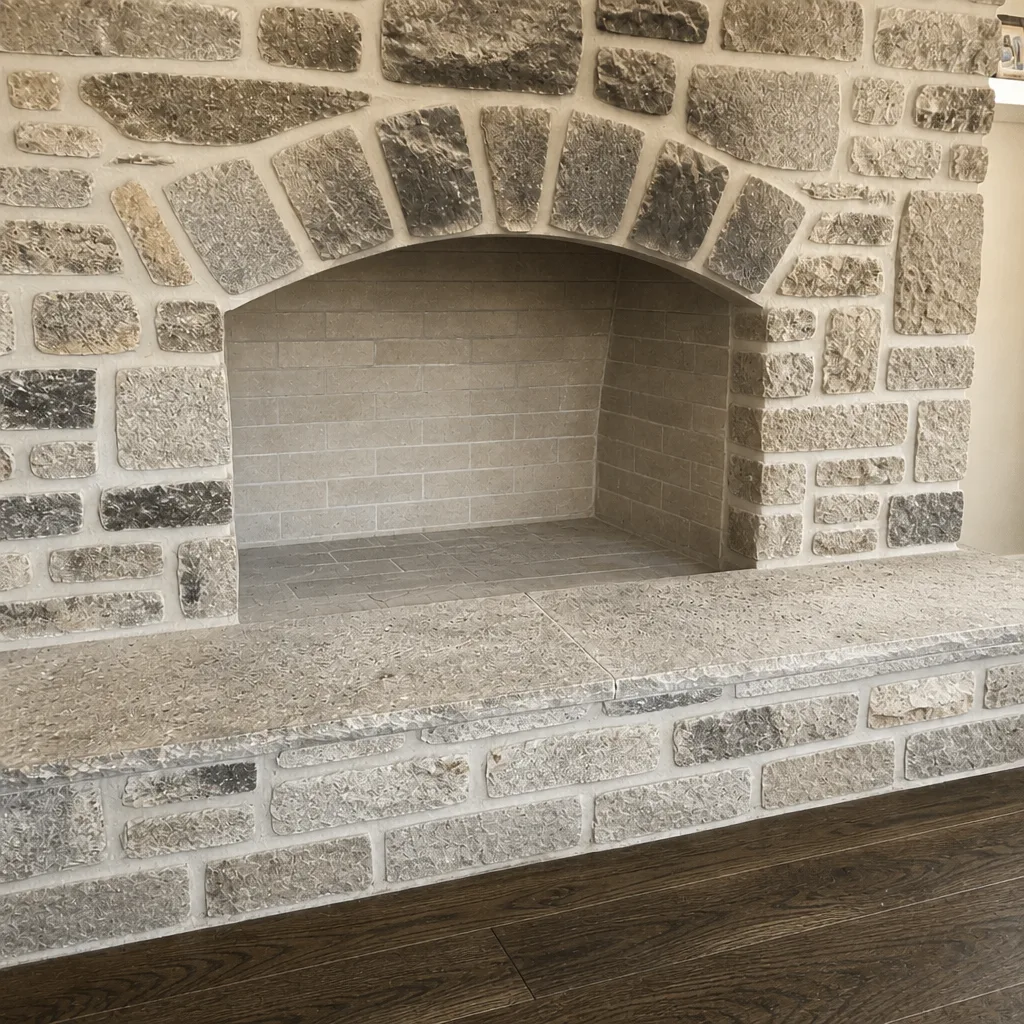
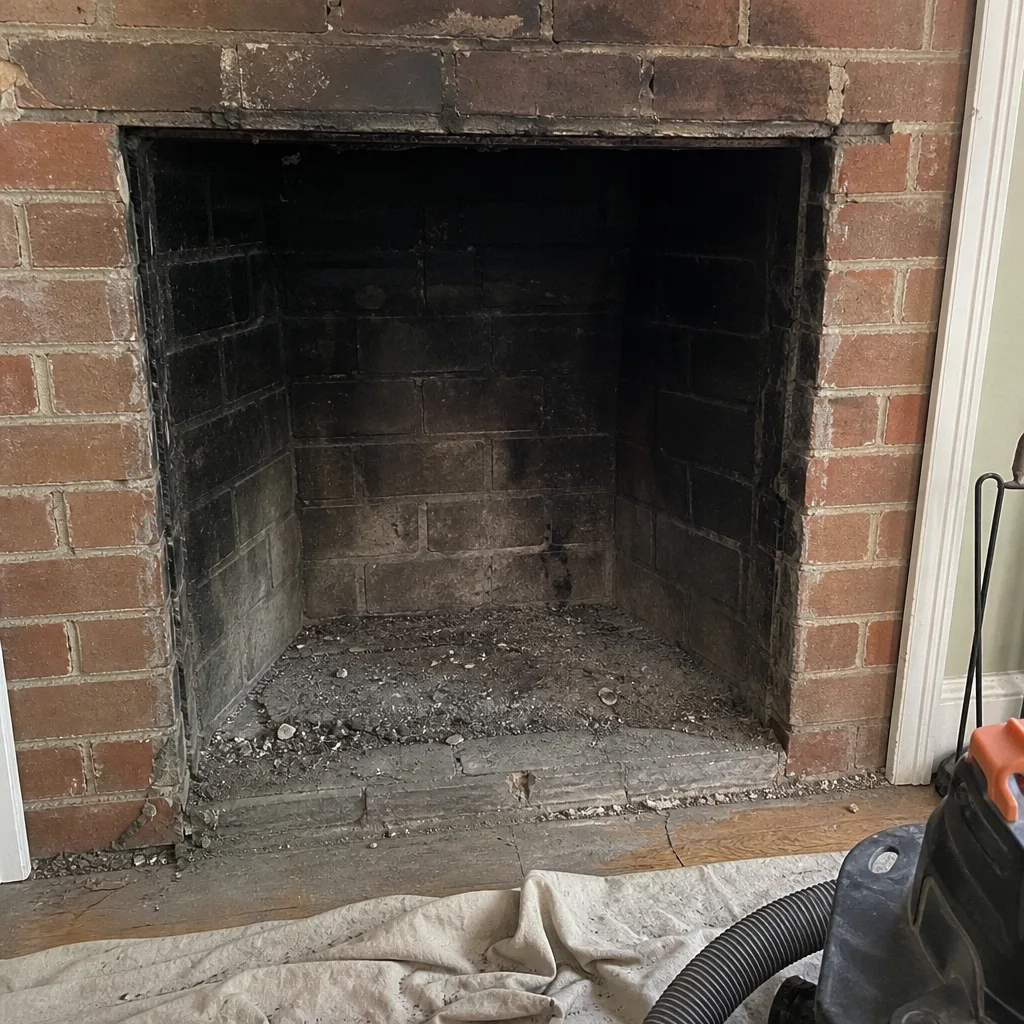
See the difference
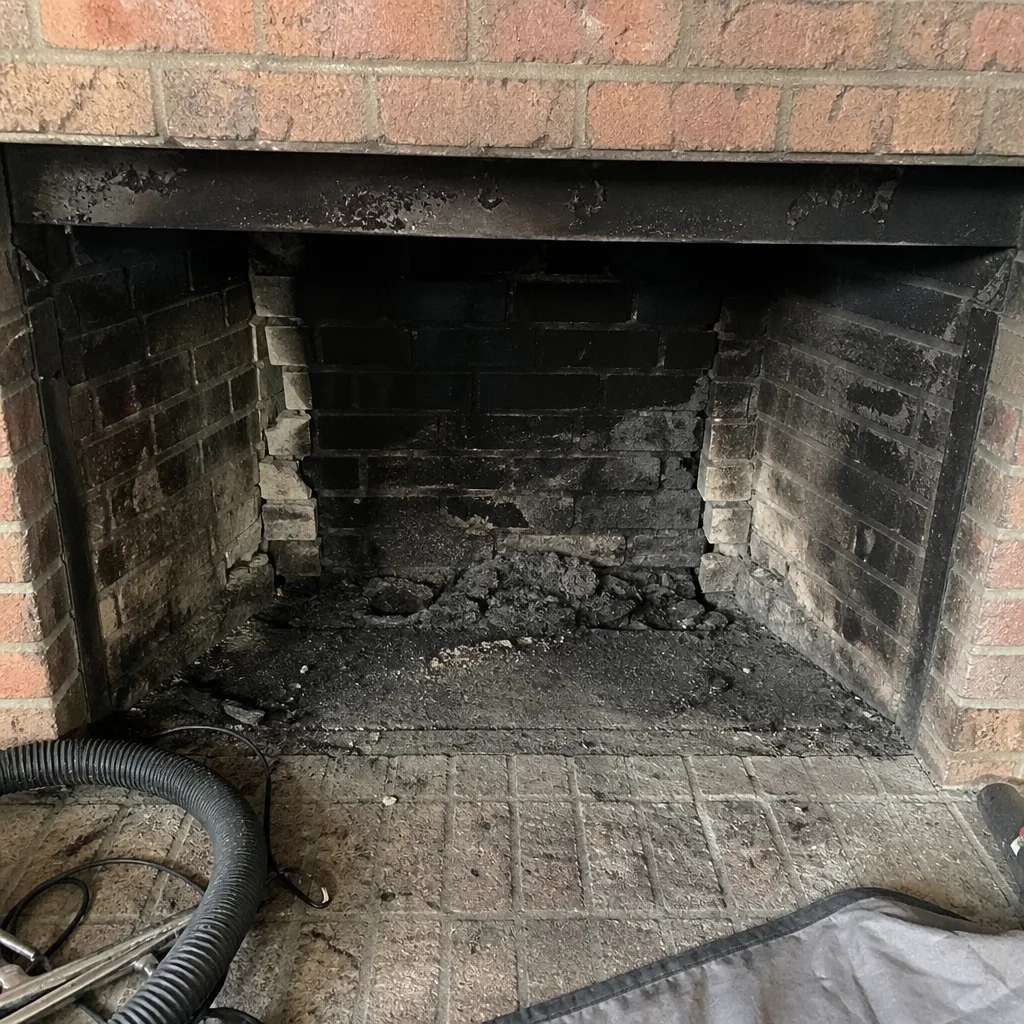 Before
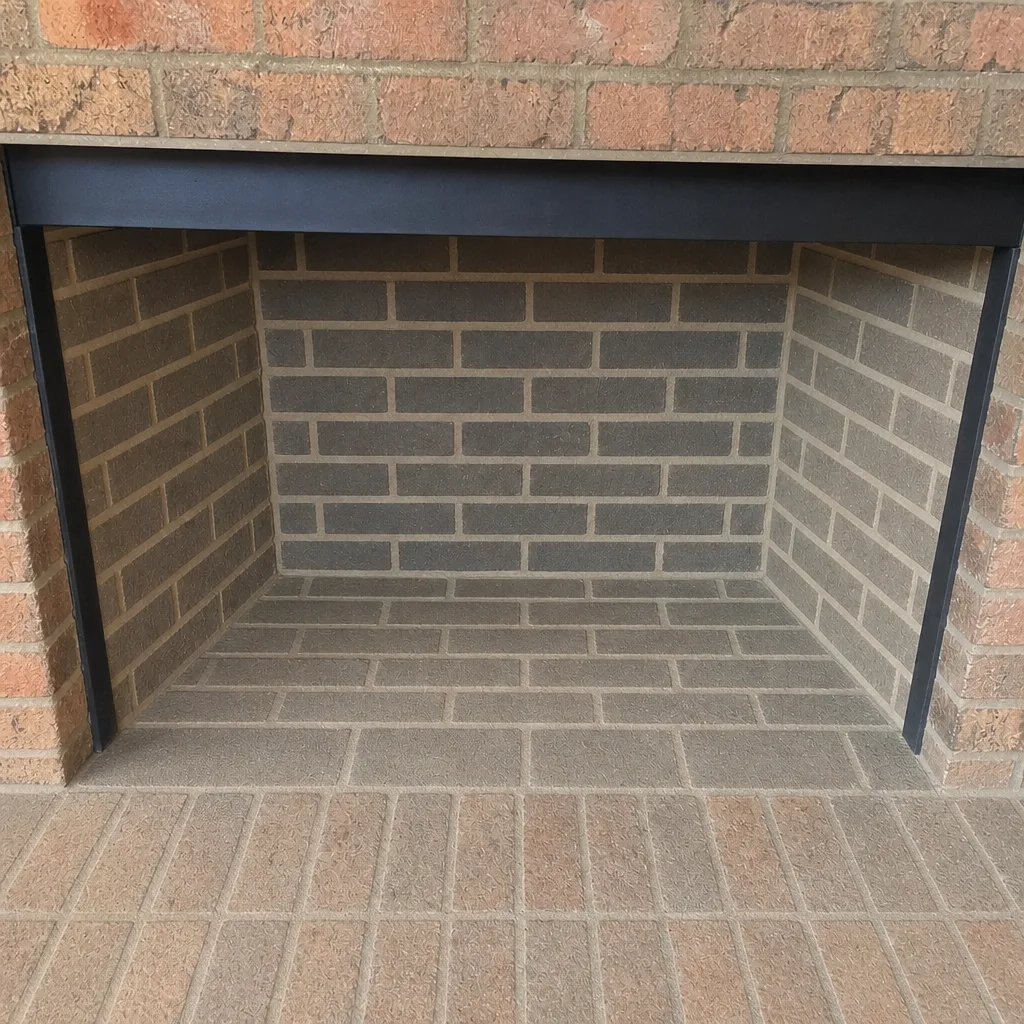 After
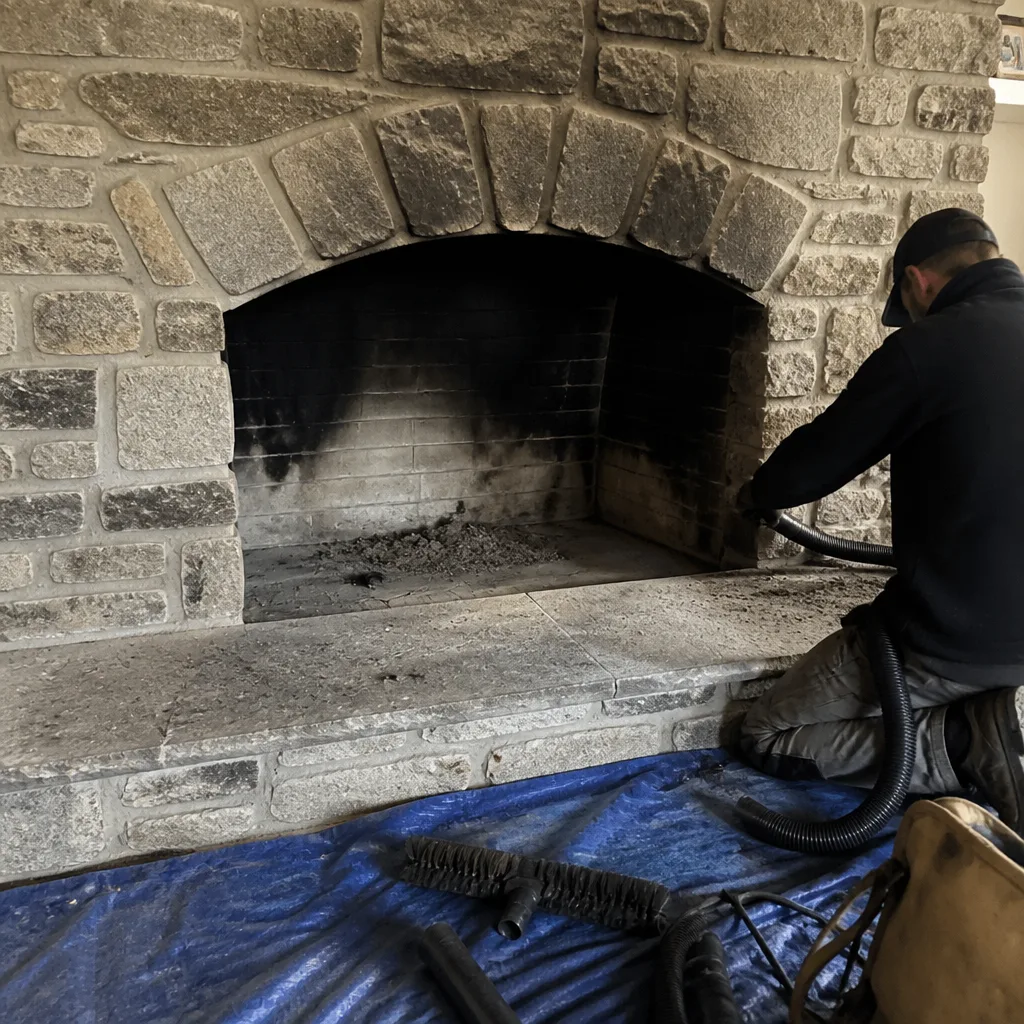 Before
 After
 Before
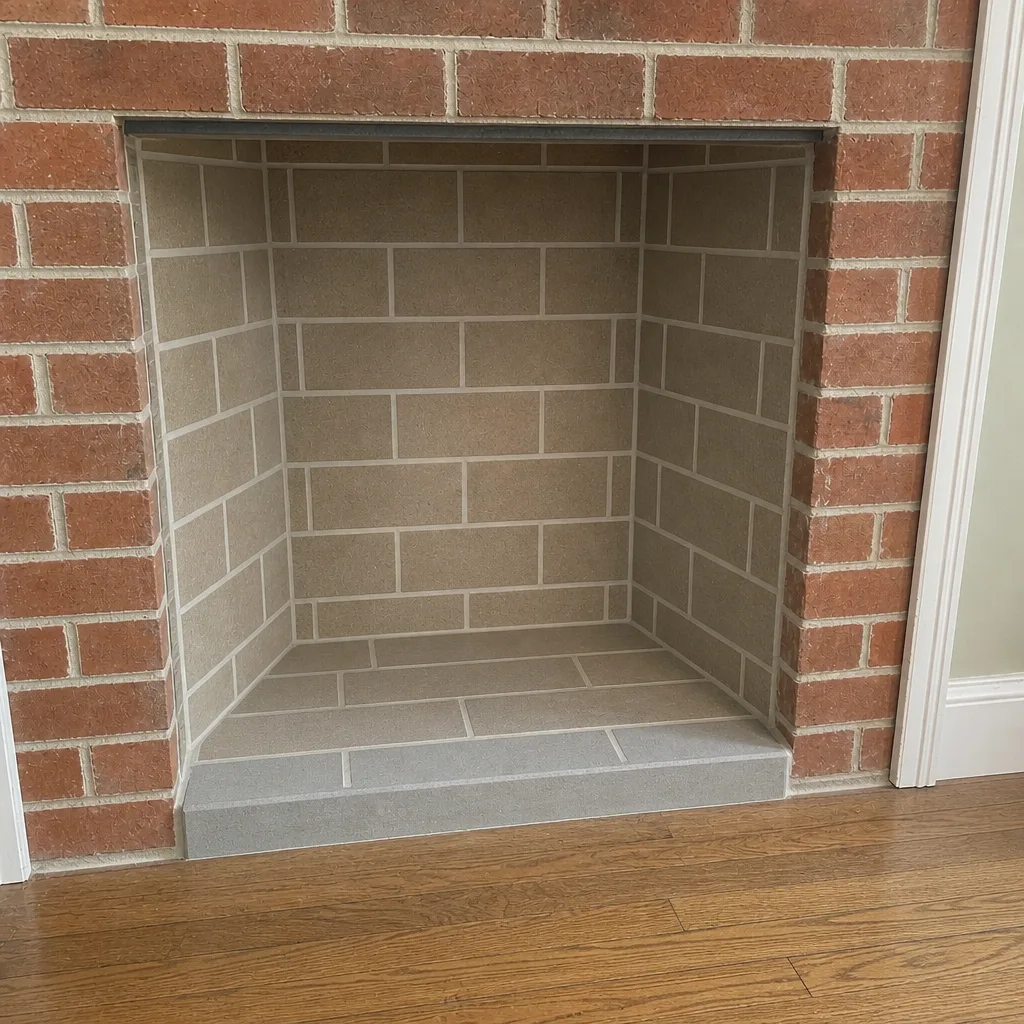 After