
Last updated November 22, 2026
 Sweep & inspection
 Caps & crowns
 Flue relining
 Masonry repair
 Gas fireplace service
Level 1 sweep and inspection to the NFPA 211 annual standard - flue, crown, cap, and flashing checked and photographed
Chimney sweep logs do not sweep chimneys. They loosen some creosote - which then falls where a brush and vacuum still have to collect it.
How to Hire a Chimney Cleaning Contractor in Highland Creek: A Step-by-Step Guide
Hiring a chimney contractor is less about finding someone who shows up and more about knowing which credentials, questions, and red flags separate a qualified specialist from a pressure-wash crew with a brush attachment. Here’s the part most homeowners miss: CSIA certification is the floor, not the ceiling, and some of the most damaging chimney “cleanings” in this area were done by licensed contractors who weren’t chimney specialists at all. A general handyman can hold a valid license and still have no idea what a proper flue inspection looks like. In this guide, we’ll walk through the certifications that actually matter, the interview questions that expose whether a contractor understands chimney systems or just performs surface cleaning, how to read a written estimate for scope gaps, and what a legitimate post-cleaning report must contain. If you’re hiring a chimney cleaning contractor in Highland Creek, this gives you a repeatable vetting process, not a list of feel-good tips.
Quick Answer
To hire a chimney cleaning contractor in Highland Creek, verify that the technician holds CSIA certification (the baseline for chimney sweeping) and that the company offers inspection as part of the service, not as an afterthought. Ask for a written estimate that specifies the flue scope, what the inspection covers, and what happens if a defect is found. Confirm the contractor is licensed and insured as North Carolina requires, and insist on a documented report after the work is done. The lowest bid is usually the one that skips the inspection.
Styles & brands we work with
- Sweep & inspection
- Caps & crowns
- Flue relining
- Masonry repair
- Gas fireplace service
Table of Contents
- Why Vetting a Chimney Contractor Matters in Highland Creek
- Which Certifications Actually Matter (CSIA, NFI, and What They Mean)
- The Interview Questions That Reveal a Real Chimney Specialist
- How to Read a Written Estimate and Spot Scope Gaps
- Why the Lowest Bid Often Skips the Inspection
- What a Legitimate Post-Cleaning Report Should Include
- The Step-by-Step Hiring Process
- Common Mistakes to Avoid
Why Vetting a Chimney Contractor Matters in Highland Creek
Highland Creek sits in a part of Mecklenburg County where the housing stock favors wood-burning fireplaces in family rooms and great rooms alike. Homes here range from newer builds to properties that have seen a decade or two of regular winter fires, and both categories have chimney systems that require the same thing: a proper annual evaluation by someone who understands what a flue liner, a crown, and a firebox actually do together.
The temptation to hire a general contractor or a pressure-washing company that also “does chimneys” is real, especially during fall when every home service company starts advertising chimney work. But chimney cleaning is a specialty. A licensed general contractor in North Carolina can legally perform many types of work, and still have no formal training in chimney flue evaluation, no knowledge of NFI appliance standards, and no capacity to identify a cracked crown or a deteriorated mortar joint during a routine sweep.
The climate here matters too. Highland Creek gets hot, humid summers and cool winters with regular wood-burning. That seasonal swing, combined with a mix of masonry and prefabricated chimneys, means the inspection has to look at more than creosote. It has to check for moisture damage, spalling brick, failed flue tiles, and cap integrity. A contractor who doesn’t know what to look for won’t see any of it.
If you’re working through this decision, starting with a specialist like Chimney Sweep Highland Creek gives you a baseline. From there, this guide will help you interview, compare, and evaluate any contractor you’re considering.
Which Certifications Actually Matter (CSIA, NFI, and What They Mean)
Not every credential you’ll see on a chimney contractor’s website is equal. Some are marketing labels; some are professional designations that require real training and testing. Here’s how to tell them apart.
CSIA Certified Chimney Sweep
The Chimney Safety Institute of America (CSIA) is the baseline credential in this trade. A CSIA-certified sweep has passed a written exam covering chimney construction, venting, combustion, and code requirements, and commits to a code of ethics. This is the credential you should treat as the floor for anyone who sweeps your chimney. If the contractor you’re talking to doesn’t have it, ask what they do have instead, and be skeptical of answers that lean on “experience” alone.
NFI Certified (National Fireplace Institute)
NFI certification is different. It’s a specialty credential for technicians who install, service, or inspect specific appliance categories, including wood stoves, gas fireplaces, and pellet appliances. An NFI-certified technician has been tested on the appliance-specific venting and installation requirements for the category they hold. NFI certification tells you the technician understands the appliance, not just the flue.
Manufacturer training and product-specific credentials
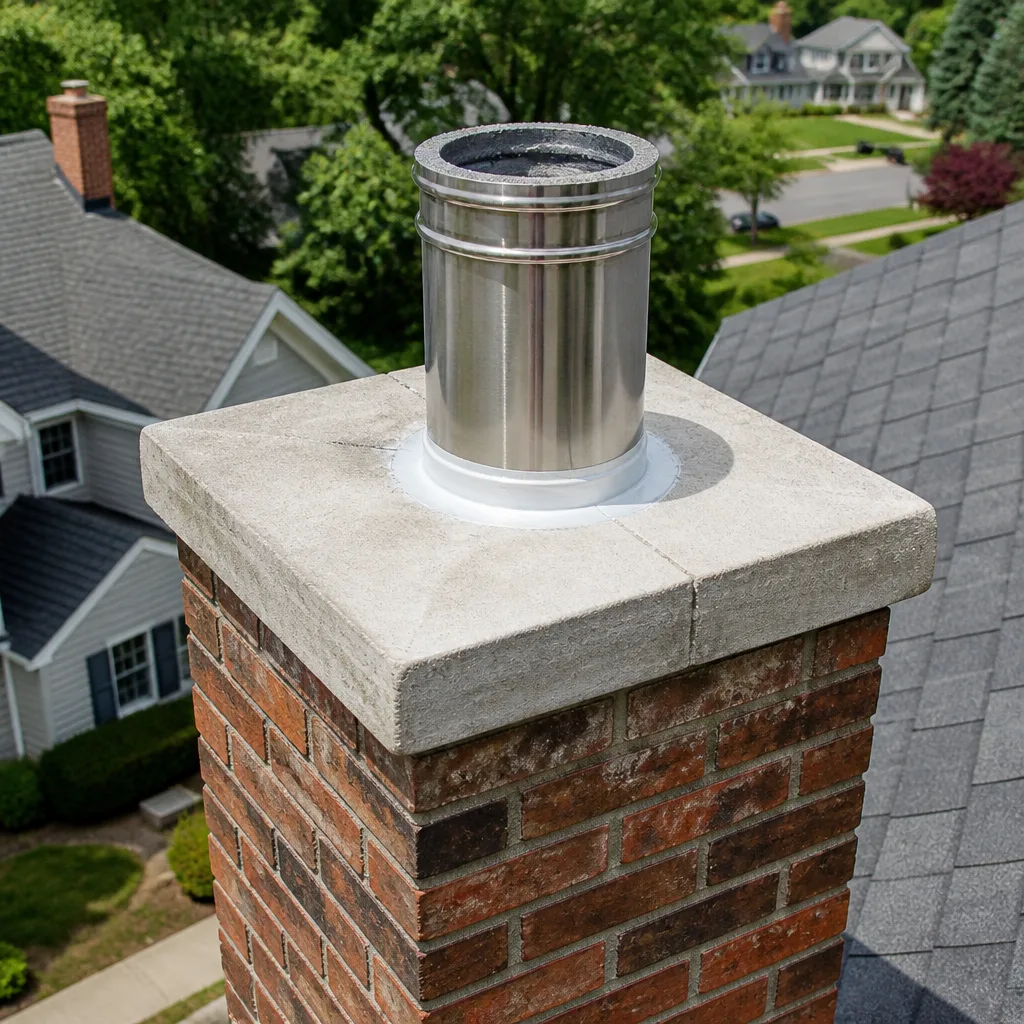
Some repair systems, like HeatShield ceramic resurfacing for firebox and flue restoration, require specific product training to install correctly. A contractor certified in a repair system is qualified to perform that repair without replacing the entire liner. If you’re told “you need a new liner,” ask whether the contractor is qualified to do a resurfacing repair first, and if not, why not.
What licensing and insurance actually cover
North Carolina requires chimney contractors to be licensed and insured as the state requires, and you should verify both. Insurance matters more than most homeowners realize: a sweep who drops a brush or damages a damper needs general liability coverage, and the technician who climbs onto your roof should be covered by workers’ comp. Ask for the certificate; don’t take “we’re fully insured” as an answer.
What certifications do not tell you
A credentialed technician can still upsell, skip inspections, or recommend work that isn’t necessary. Certifications qualify what a technician is trained to do; they don’t guarantee that the technician will do it honestly. That’s why the interview questions and the written estimate matter as much as the credentials themselves.
The Interview Questions That Reveal a Real Chimney Specialist
The phone or first visit is when you find out whether you’re talking to a specialist or a generalist. Ask these questions and listen carefully to the answers. A real chimney specialist will answer them directly and in specifics. A one-visit sweep crew will hedge, change the subject, or promise the moon.
- “What does your inspection cover, and is it included in the sweep or priced separately?” A qualified contractor will describe a Level 1 inspection as the default for routine cleaning, Level 2 when a property changes hands or a change is made to the system, and what each one actually looks at. Be wary of anyone who says “we just sweep” or “the inspection is the sweep.”
- “If you find a problem, what does the report look like?” The answer should include photographs or written documentation of what was found, the specific defect, and whether it needs to be addressed now or can wait. If the contractor says “we’ll tell you on the phone,” that’s a red flag.
- “Do you have CSIA or NFI certification, and can you show it?” Ask for the certificate and the certifying body. Don’t accept “we’re certified” without a name.
- “What’s your process for addressing a cracked firebox?” A qualified contractor will talk about whether the firebox can be resurfaced (HeatShield, for example) or needs full replacement, and how they decide. A generalist will tell you it needs to come out, or that it’s fine and don’t worry about it.
- “What kind of liners do you work with?” The answer should reference specific professional-grade systems rather than a generic “we install liners.” DuraFlex flexible liners are one example of a system a specialist works with across wood, gas, and oil appliances.
- “How do you handle a chimney cap and crown that’s failing?” A specialist will explain that cap and crown work is part of the chimney system, not a separate job, and that Olympia Chimney or Famco components are typical for a proper repair.
- “What’s your estimate process?” The estimate should be written, per job, and given before work begins. If the contractor won’t put it in writing, or wants to “work out pricing after the inspection,” walk.
One of the strongest signals is whether the contractor asks you questions in return. A specialist will want to know: how often the fireplace is used, when it was last swept, whether there’s been a chimney fire, whether the flue has been relined, and whether there’s any smoke rollback or odor. If the contractor doesn’t ask, they’re not planning a real inspection.
How to Read a Written Estimate and Spot Scope Gaps
A written chimney estimate should read like a scope of work, not a price tag with a service name on it. The difference matters: a scope gap in the estimate becomes a dispute or a missed repair after the work is done, and you rarely find out until the next season.
Read the estimate for these elements:
- Flue sweep scope: Which flue, which appliance, and whether the technician will sweep from the top or bottom. Some chimneys require both approaches; the estimate should say which applies.
- Inspection type: Level 1, 2, or 3. Level 1 is the visual inspection done during a routine sweep; Level 2 involves video scanning and is standard for a real estate transaction or insurance requirement; Level 3 involves opening access to hidden areas and is rare in a routine visit. If the inspection level isn’t specified, ask.
- What the inspection covers: firebox, damper, smoke chamber, flue, crown, cap, and exterior masonry. Any missing element is a scope gap.
- Documentation: photos and a written report included in the price, or an add-on charge.
- Repair items: if something is found, is the repair estimated separately, or is the estimate including both? A good contractor separates the sweep and inspection from any recommended repair.
- Cleanup and protection: drop cloths, HEPA vacuum, and floor protection. Omission here usually means no protection on the day.
- Written terms: who does the work, what happens if the sweep finds a hazard, and whether the estimate is the final price or open-ended.
If any of these are missing, ask before you sign. A contractor who can’t fill in a scope is either unfamiliar with chimney work or unfamiliar with the specific chimney in front of them, and neither is a good sign. If you’d rather see what a properly scoped firebox repair looks like before comparing bids, the fireplace repair service page on this site walks through the decision between resurfacing and replacement.
The written estimate sets the final price. If a contractor’s estimate is verbal, or if the “final price” is only determined after work starts, treat the scope as open and the price as unknown.
Why the Lowest Bid Often Skips the Inspection
Chimney cleaning bids vary in Highland Creek because the scope varies, not because one contractor is more efficient than another. When one estimate comes in significantly lower than the rest, the difference is almost always what’s missing from the job, not what’s wrong with the higher bids.
Here’s how the lower bid typically gets there:
- No inspection: The bid covers a sweep only, with no Level 1 inspection. You pay less, and you learn nothing about the flue, crown, or firebox.
- No photographs: The sweep is done, no report is generated, and the homeowner has no record of what was (or wasn’t) found. If something fails a year later, there’s no trail.
- No cap or crown evaluation: The bid stops at the flue. A failing crown or a missing cap is discovered by the homeowner during the next storm, and the cost of the repair is now a separate job with a separate contractor.
- No cleanout or valve check: Gas and oil appliance work involves venting checks that don’t happen in a sweep-only bid.
- Uninsured or unverified labor: The cost difference is sometimes the difference between a licensed, insured technician and someone who isn’t.
In our experience, the lowest bid is the one that treats the chimney as a pipe to be scrubbed rather than a system to be evaluated. The homeowner pays less for the sweep and more for the repair that a proper inspection would have caught earlier. A contractor who explains the difference openly, before you ask, is the one you want to talk to further.
What a Legitimate Post-Cleaning Report Should Include
The report after the cleaning is the document you’ll rely on if there’s ever a question about the condition of your chimney. It’s also the document a real estate transaction, an insurance carrier, or a future contractor will use to understand the system’s history. A report that’s just “chimney swept, no issues found” in a text message isn’t a report; it’s a summary that protects the contractor, not you.
A legitimate post-cleaning report includes:
- The date of service and the technician’s CSIA number or certification level. This is the record that ties the work to a credentialed professional.
- A description of what was cleaned: which flue, which appliance, and what level of soot and creosote was present (usually expressed as a degree or a stage).
- Photographs of the flue, firebox, damper, crown, cap, and exterior masonry. Photographs are the difference between a report and a promise.
- Findings: anything that looked worn, cracked, or out of code, itemized separately from routine cleaning.
- Recommendations with a timeframe: not just “repairs recommended,” but “crown repair recommended before the next season” or “liner evaluation recommended within the next 12 months.” Recommendations should say whether the item needs attention now or can safely wait.
- The estimate for recommended repairs, if any, priced separately so you can decide without pressure.
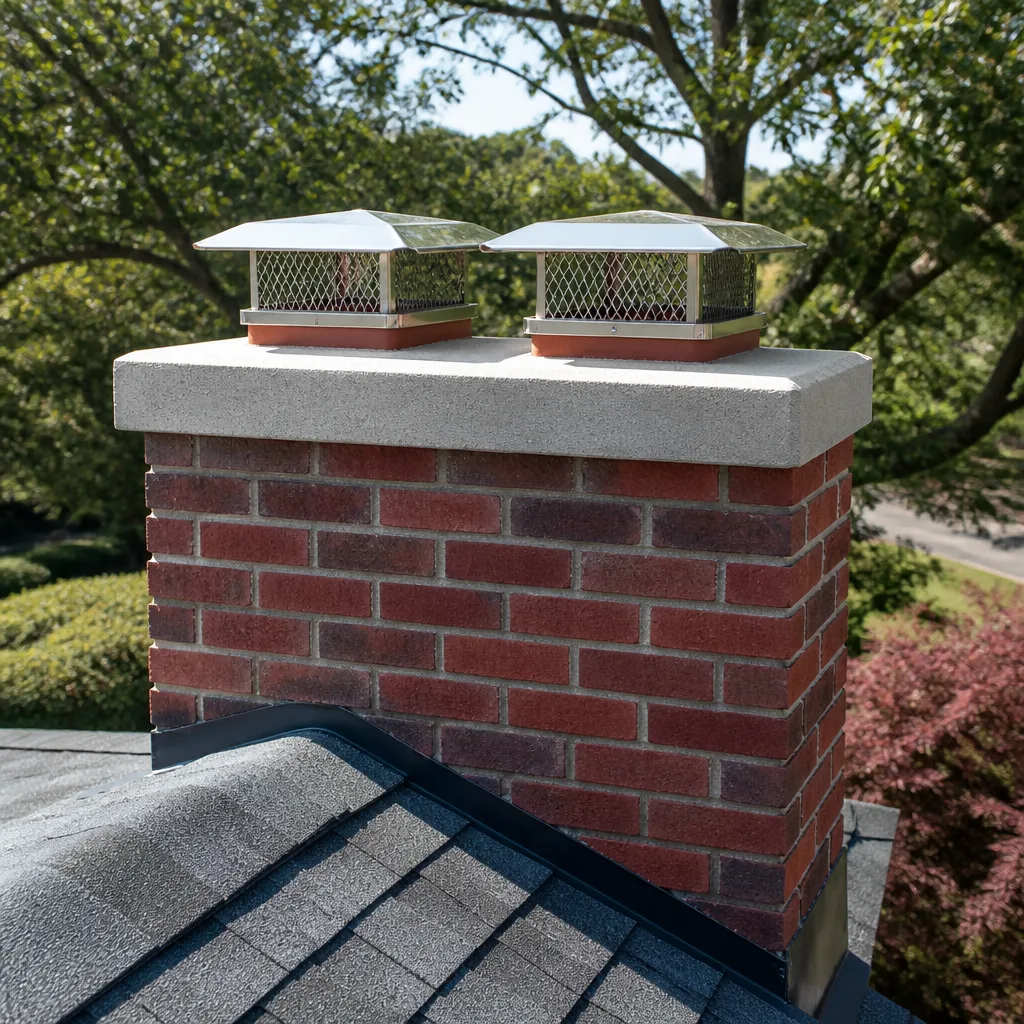
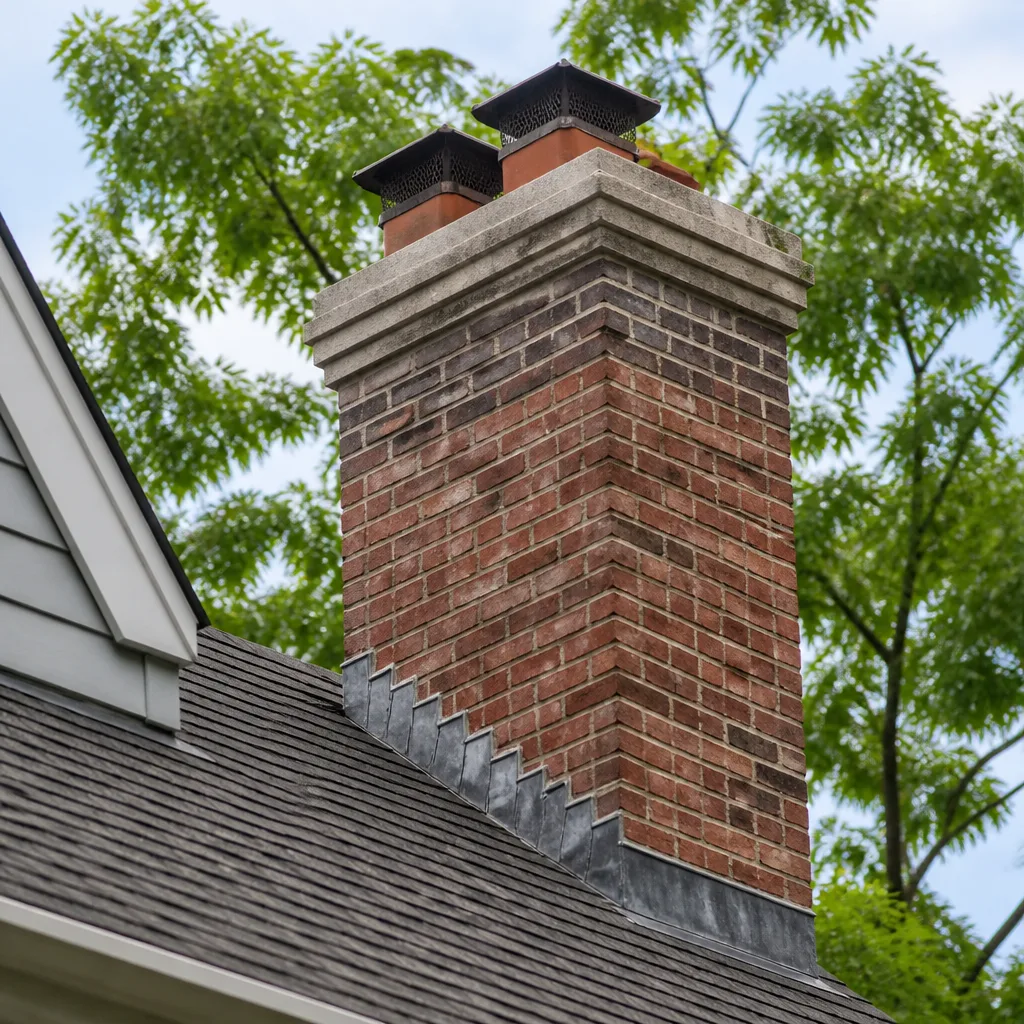
Use the report. Keep it with your home maintenance records, show it to any future contractor, and reference it if you’re selling the home. The chimney cap & crown work that a report might recommend is one of the most common repair items we see after a proper inspection, and it’s also one of the easiest to defer until it’s causing water intrusion.
The Step-by-Step Hiring Process
Here’s the sequence we recommend for any homeowner working through this decision, whether it’s the first chimney cleaning or the tenth.
- Define the job. Are you looking for a routine annual chimney sweep, a standalone inspection for a real estate transaction, or a repair evaluation after a specific problem? The answer changes who you hire and what the estimate should contain.
- Check the certifying bodies first. Go to the CSIA or NFI directories and search for the contractor’s name. If the contractor isn’t listed, the certification claim on the website is worth checking.
- Request a written estimate. Ask for it before any work is scheduled, and ask what the inspection level is and what’s included. If the contractor won’t give you a written scope, cross them off your list.
- Ask the seven interview questions above. Listen for specifics, not reassurances.
- Compare scope, not price. Two estimates that differ by $100 but cover different inspection levels aren’t comparable. Two estimates that differ by $400 usually aren’t covering the same job.
- Verify insurance. Ask for the certificate and confirm it covers the work. A sweep who is in your home and on your roof should be covered.
- Confirm the documentation. Ask what report you’ll receive, whether photos are included, and whether the price of the report is part of the estimate.
- Schedule the work, review the report, and decide on repairs without pressure. If the contractor tells you a major repair is needed, ask for the video or photos that justify it. If they can’t show you, ask again.
That last point is the one homeowners skip most often. A legitimate contractor will show you what they found before recommending a repair. Our own process is to present the findings, explain what they mean, and let the homeowner decide on the timeline. If a chimney has a minor crown crack, we’ll say so and say it can wait until the next season. If a flue has a failed liner and a venting defect, we’ll say that too, and we’ll show the photographs that support the finding.
Common Mistakes to Avoid
- Hiring a “chimney” crew that also washes driveways and pressure-washes decks. A general home service company advertising chimney cleaning is usually performing a surface sweep with no inspection. Ask for the certification before you book, not after they show up.
- Accepting a verbal estimate. In Highland Creek, storm season routinely surfaces chimney cap and crown problems, and a verbal estimate gives you nothing to reference when the repair scope comes up later. Insist on written terms, per job.
- Choosing the lowest bid without comparing scope. The lowest bid is usually the one without an inspection, and the savings disappear the first time an unnoticed liner defect needs to be addressed.
- Skipping the inspection because the sweep looked clean. A clean flue is not a safe flue. Creosote, liner condition, crown integrity, and cap security are separate checks, and a sweep-only visit doesn’t cover them.
- Taking a contractor’s word on a major repair without evidence. If you’re told the liner has failed or a firebox needs replacement, ask to see the photographs or the video scan. A qualified contractor will have it. A one-visit sweep crew usually won’t.
- Assuming a licensed general contractor is a chimney specialist. North Carolina licenses many types of contractors; chimney work requires specific training that a general license doesn’t imply. Ask about CSIA and NFI, not just the state license.
- Putting off the annual evaluation because the fireplace “works fine.” Chimney problems don’t usually announce themselves. The evaluation is the maintenance, not the repair.
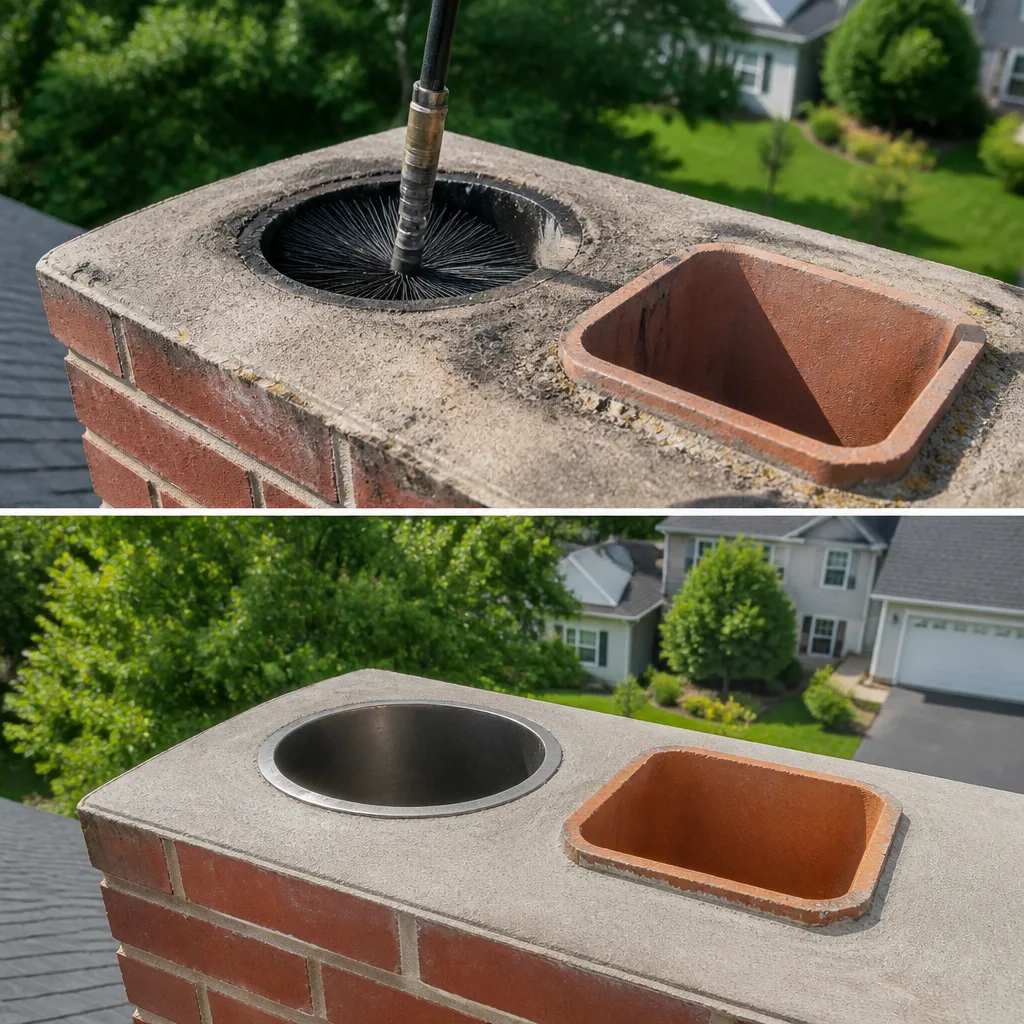
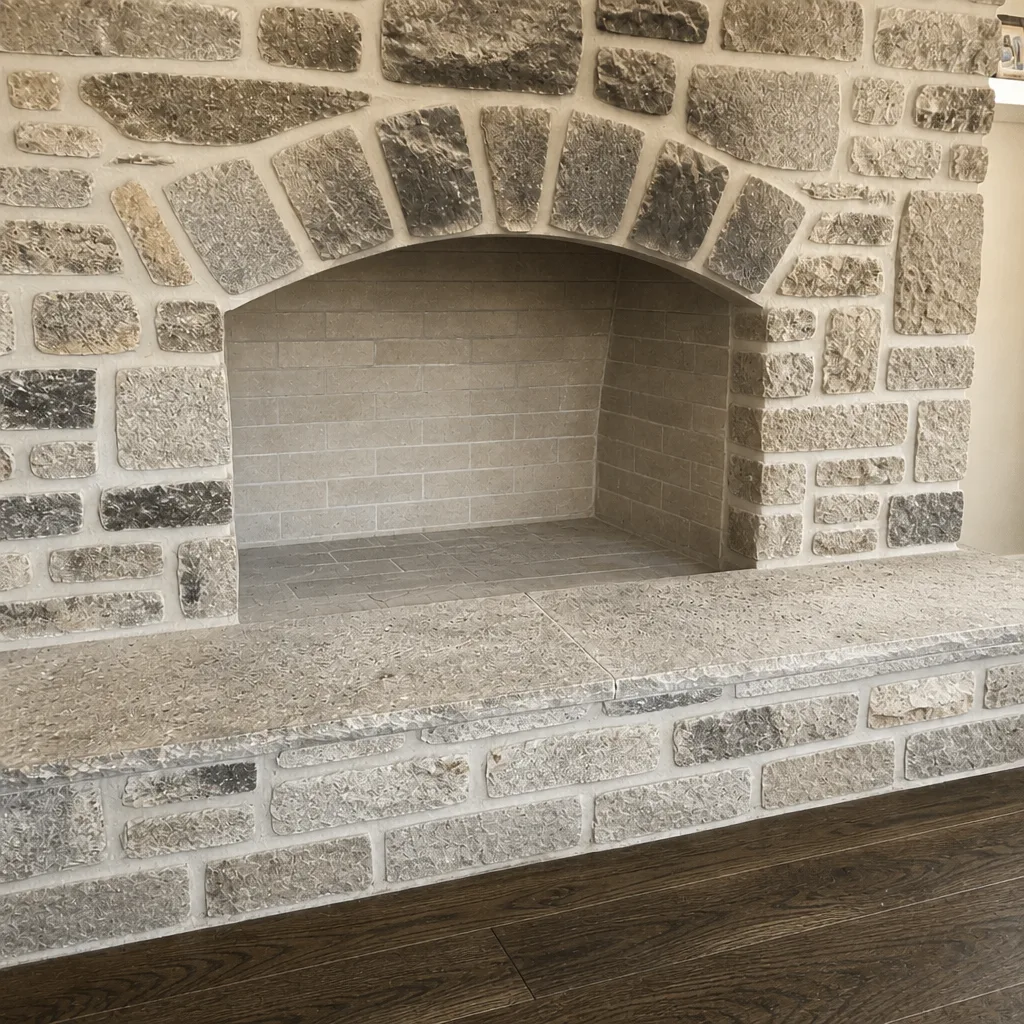
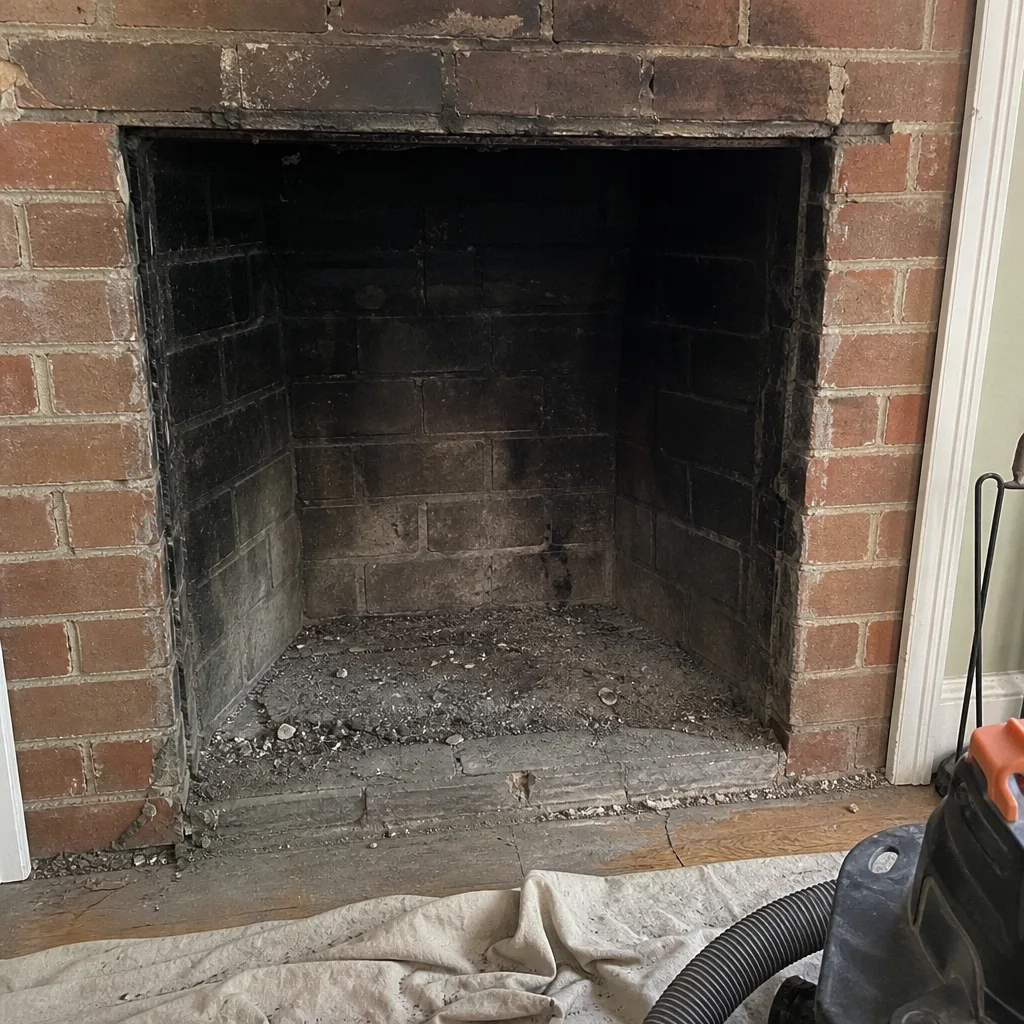
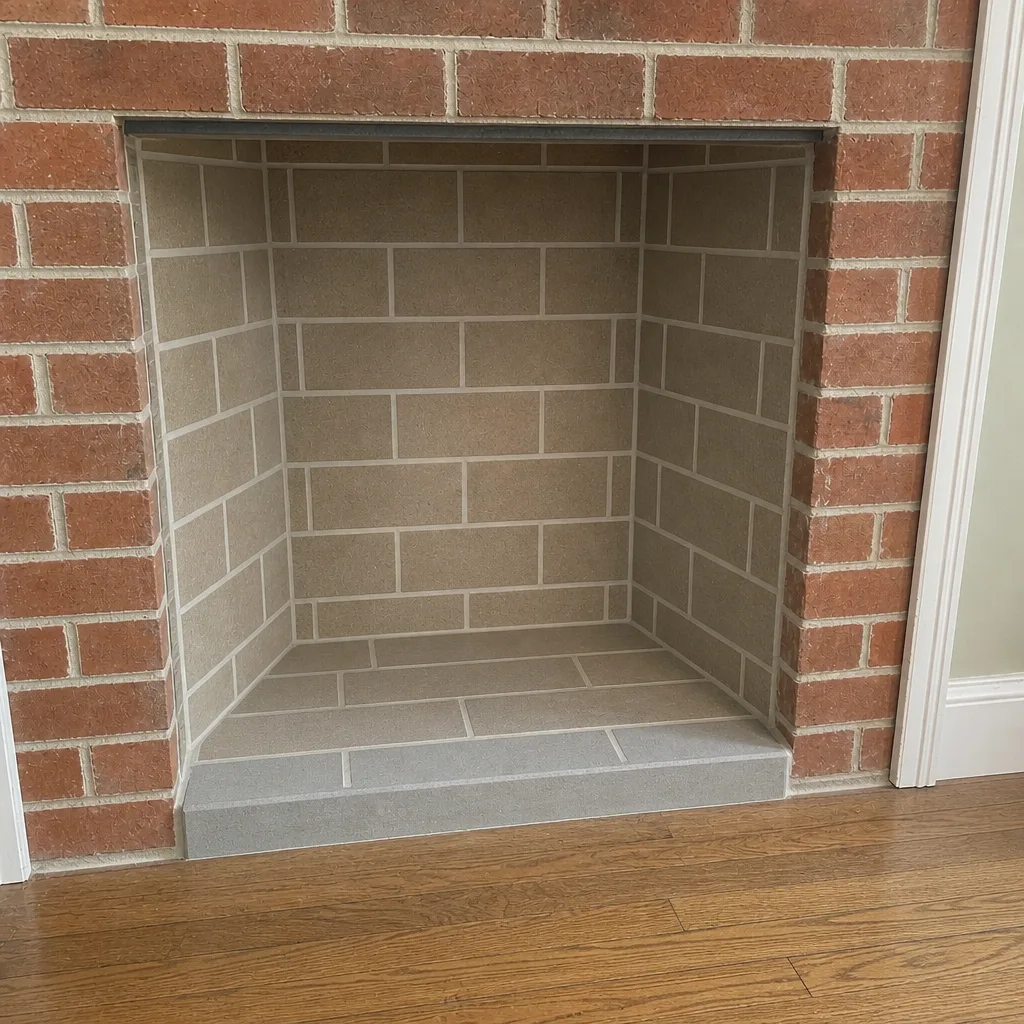
See the difference
 Before
 After
 Before
 After
 Before
 After
When to Call a Professional
Call a professional if you can’t remember the last time the chimney was evaluated, if you’ve moved into a Highland Creek home and don’t have records from the previous owner, if there’s been a chimney fire or a smoke rollback event, if you see cracked masonry or a loose crown from the ground, if there’s a water stain near the firebox, if the cap is missing or damaged, or if you’re preparing to sell and the buyer’s inspection or insurance carrier is asking for documentation. Call a professional if you’re not sure, and let an inspection answer the question rather than a guess. Chimney Sweep Highland Creek offers free estimates in Highland Creek. Call (855) 337-1327. We answer 24/7. Fast dispatch from 7am to 7pm, Sunday through Friday.
Frequently Asked Questions
Chimney sweeping in Highland Creek is priced per job by a written estimate, and the estimate is free. The price depends on the flue configuration, the level of creosote, whether an inspection is being done at the same time, and whether the chimney is masonry or prefabricated. Call (855) 337-1327 for an exact quote. Estimates are free.
CSIA certification is the baseline credential for chimney sweeping, and it’s the single most reliable indicator that the technician has been trained in chimney construction and code requirements. A contractor without it isn’t automatically disqualified, but you should ask what training they have instead and whether they hold NFI certification. Call (855) 337-1327 to talk through what your chimney needs.
A Level 1 inspection is the visual evaluation done during routine cleaning and is the default for annual service. A Level 2 inspection includes video scanning of the flue and is standard for real estate transactions, insurance requirements, or after a chimney fire. A Level 3 inspection involves opening access to hidden areas and is done when a serious defect is suspected. Ask which level the estimate covers. Call (855) 337-1327 to schedule an inspection.
A chimney that sees regular wood burning should be swept and inspected annually. Highland Creek’s mix of cool winters and humid summers means a fireplace in steady use will accumulate creosote at a predictable rate, and an annual evaluation catches that before it becomes a liner problem. If the fireplace is used only occasionally, a professional can tell you whether the annual schedule still fits. Call (855) 337-1327 to get on a schedule.
The chimney keeps working, which is why skipping feels fine, until it doesn’t. Creosote accumulation increases chimney fire risk, a cracked crown lets water into the masonry, and a failed liner stops venting properly. None of these announce themselves early. The evaluation is what catches them before they become structural. Call (855) 337-1327 for a free estimate.
A general contractor may legally perform many types of work in North Carolina, but chimney cleaning requires specific training that a general license doesn’t imply. In our experience, the general contractors who take on chimney work are performing surface sweeps without inspection, and missed defects are the result. Ask about CSIA and NFI certification before booking. Call (855) 337-1327 to speak with a chimney specialist.
The Bottom Line
Hiring a chimney cleaning contractor in Highland Creek comes down to four checks: certification, inspection scope, written estimate, and a documented report after the work is done. CSIA is the floor, NFI is the appliance-specific credential, and neither one guarantees honesty, so the interview questions and the estimate review carry equal weight. The lowest bid is usually the one that skips the inspection, and a skimped inspection is how small problems become structural repairs. Above all, insist on seeing the evidence before agreeing to any repair. A qualified specialist will show you the photographs and explain what they mean. From there, you decide what needs work and when.
If you’d like a straightforward evaluation from a full-service chimney specialist, Chimney Sweep Highland Creek handles sweeping, inspection, cap and crown work, fireplace repair, and structural repair under one roof, and our technicians have up to 13 years of experience. We work with professional-grade materials from DuraFlex, HeatShield, Olympia Chimney, Famco, Copperfield, and Gelco, and we use the system that fits your chimney rather than a one-size-fits-all approach. Call (855) 337-1327 for a free estimate. We answer 24/7. Fast dispatch from 7am to 7pm, Sunday through Friday. If you’d rather start by reading about the scope of a chimney sweep or a chimney cap & crown repair, those pages cover what the work involves before you ever pick up the phone.
Written by the team at Chimney Sweep Highland Creek.