
Last updated November 22, 2026
 Sweep & inspection
 Caps & crowns
 Flue relining
 Masonry repair
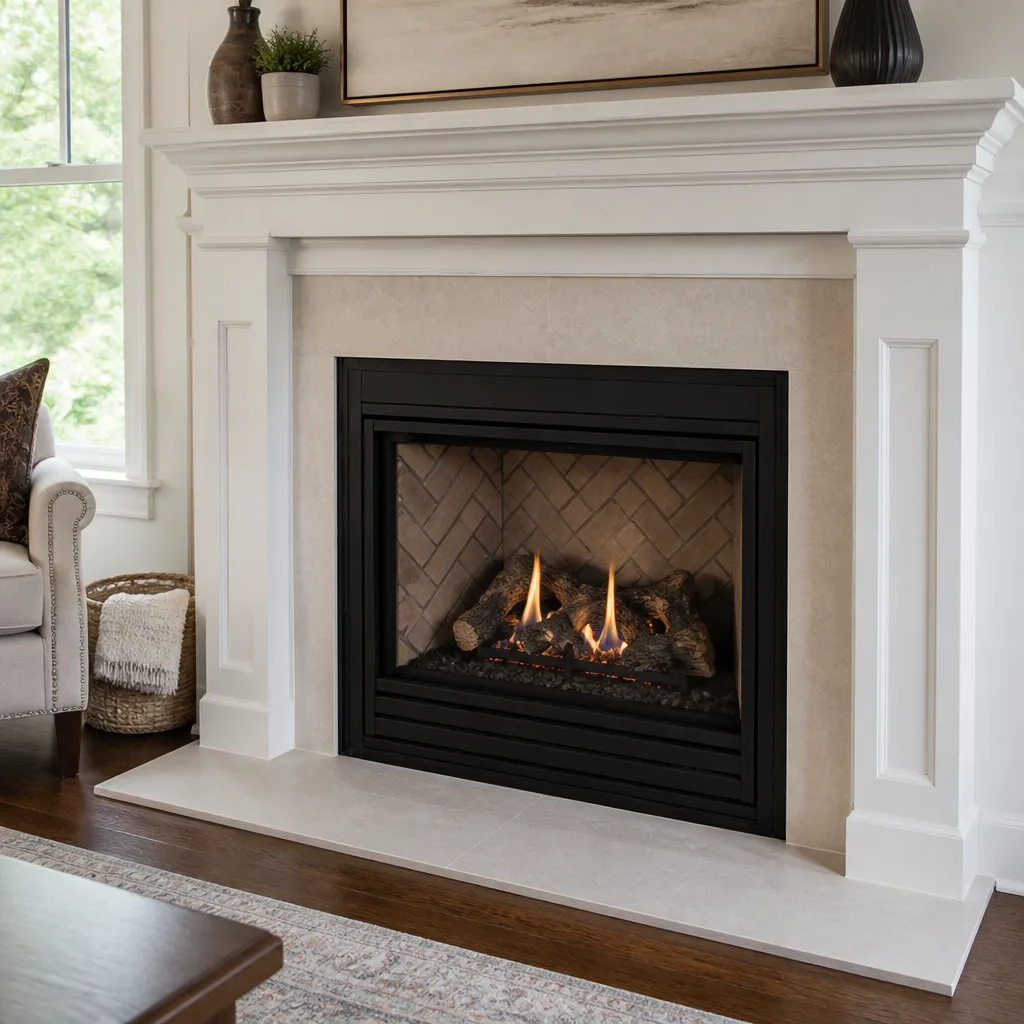 Gas fireplace service
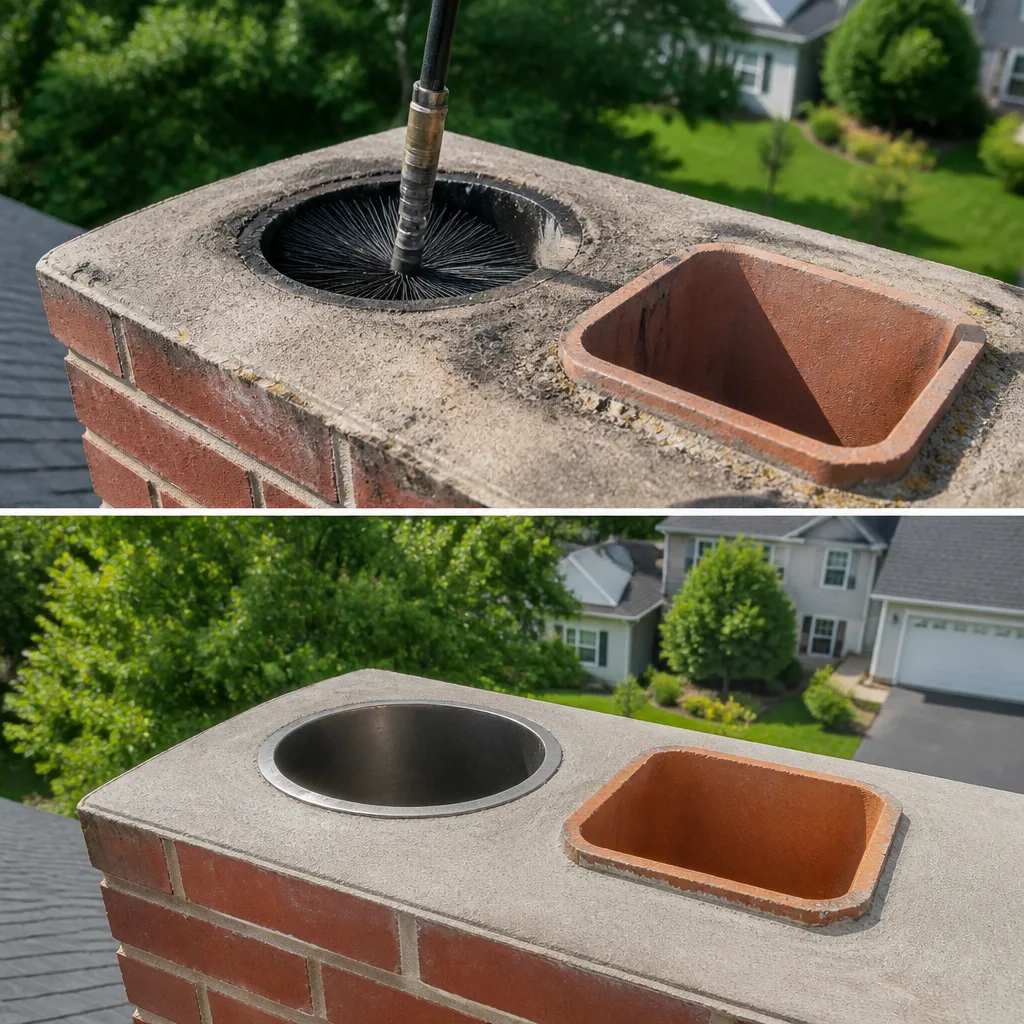
Level 1 sweep and inspection to the NFPA 211 annual standard - flue, crown, cap, and flashing checked and photographed
Chimney sweep logs do not sweep chimneys. They loosen some creosote - which then falls where a brush and vacuum still have to collect it.
Chimney Cleaning Permits, Codes & Inspections in Highland Creek, NC: What You Need to Know
Most chimney cleaning visits don’t need a permit. That surprises people. What surprises them more is the reverse: a liner replacement, a rebuilt firebox, or a modified flue is construction work under North Carolina code, and it needs permits the same as a deck or an addition. An unpermitted chimney liner replacement won’t show up until you try to sell your house, and by then it’s your problem, not the contractor’s. In this guide we walk through where routine maintenance ends and code territory begins, how Mecklenburg County permitting applies in Highland Creek, what NFPA 211 inspection standards actually require, and how to verify a contractor pulled permits before the work starts rather than after.
Quick Answer
Routine chimney cleaning and a Level 1 inspection in Highland Creek, NC do not require a permit. Structural work does: replacing a flue liner, rebuilding a firebox, altering the chimney chase, or changing the venting configuration on a gas or oil appliance all fall under North Carolina building code and require permits through Mecklenburg County before work begins. If you’re not sure which category your job falls into, that’s the first question to ask a contractor – before they schedule anything.
Styles & brands we work with
- Sweep & inspection
- Caps & crowns
- Flue relining
- Masonry repair
- Gas fireplace service
Table of Contents
- Routine Maintenance vs. Structural Modification: Where the Line Is
- How Mecklenburg County Permitting Applies to Chimney Work in Highland Creek
- What NFPA 211 Requires for Chimney Inspections
- How to Verify a Contractor Pulled the Required Permits
- Insurance Implications of Unpermitted Chimney Work
- The Three Inspection Levels and When Each One Applies
- How Highland Creek’s Climate and Housing Stock Shape Chimney Wear
- What Documentation You Should Keep After Any Chimney Job
Routine Maintenance vs. Structural Modification: Where the Line Is
The confusion most Highland Creek homeowners run into is that “chimney work” covers two very different categories of labor, and only one of them gets the county involved. Sweeping, visual inspection, cap replacement, and minor firebox touch-ups are maintenance. They return the system to its designed condition. Structural modification changes the system itself, and that’s when the building code applies.
Here’s the split, plainly:
- No permit typically required: chimney sweeping, Level 1 and Level 2 inspections, chimney cap replacement, crown repair or recrowning, damper repair, firebox mortar touch-ups, and spark screen replacement.
- Permit typically required: full flue liner replacement, firebox rebuild, chimney chase modification, flue resizing, adding or removing a chimney, converting a wood-burning fireplace to gas or the reverse, and any change to the venting configuration of a gas, oil, or wood appliance.
The distinction matters because the second list involves work that a future home inspector, appraiser, or insurance underwriter will care about. A relined flue with a permit on file is a documented upgrade. The same liner installed without a permit is a question mark. HeatShield ceramic resurfacing sits in a gray zone depending on scope – resurfacing an existing firebox to restore it is usually maintenance, but resurfacing that’s part of a larger structural repair travels with the permit for the larger job. We ask about the intended scope at the estimate stage precisely so that question gets answered before anyone shows up with tools.
In our experience, homeowners in Highland Creek who use their fireplaces regularly tend to discover this distinction at the worst possible time: during a home inspection, a refinance appraisal, or an insurance renewal. Getting ahead of it costs nothing. Finding out after the fact can cost a lot.
How Mecklenburg County Permitting Applies to Chimney Work in Highland Creek
Highland Creek is unincorporated Mecklenburg County, which means building permits for chimney structural work are handled through Mecklenburg County Code Enforcement rather than a separate city building department. That’s a meaningful difference for homeowners used to dealing with city permits elsewhere. The county office issues the permit, performs the inspection, and closes the record. There’s no city-level shortcut or alternative path.
What that means in practice:
- The permit must be pulled before work starts. Retroactive permitting happens, but it’s slower, sometimes requires opening walls or removing finished work for inspection, and it draws attention to the fact that the work was started without one.
- The permit holder is usually the licensed contractor doing the structural work, not the homeowner. If a contractor asks you to pull the permit in your own name, that’s a signal worth asking about.
- Inspection happens after the work is complete but before it’s closed out. A permitted chimney liner replacement should end with a county inspection sign-off, not just a contractor’s invoice.
- Permit records live in the county’s system permanently. When you sell, a buyer’s agent can look them up. So can an insurance adjuster after a claim.
We tell Highland Creek homeowners to ask this question directly at estimate time: “Will you be pulling a permit for this job, and can I have the permit number once it’s issued?” A contractor who does structural chimney work regularly in Mecklenburg County will answer that without hesitation. One who doesn’t will change the subject.
Routine work – a standard chimney sweep and inspection – doesn’t involve the county at all. But if the inspection turns up a cracked flue tile that needs a liner, the next conversation is a permitting conversation, and it should happen before the liner gets ordered.
What NFPA 211 Requires for Chimney Inspections
NFPA 211 is the national standard for chimneys, fireplaces, vents, and solid fuel-burning appliances, and it’s the reference point most local code enforcement leans on when evaluating chimney work. It defines three inspection levels based on what’s being evaluated and under what conditions. Understanding the levels helps you know what you’re paying for and what a county inspector will expect to see on a permitted job.
- Level 1 inspection: a visual check of readily accessible portions of the chimney and venting, without tools that require disassembly. Appropriate for routine annual service on a system that hasn’t changed and hasn’t had a problem.
- Level 2 inspection: everything in a Level 1 plus inspection of accessible areas of attics, crawl spaces, and other concealed spaces, often using a camera. Required after a chimney fire, after a change in appliance type, after a property transfer, and whenever a change to the system is proposed. This is the level that matters for permit-related work.
- Level 3 inspection: everything in a Level 2 plus removal of components or building materials to access concealed areas. Used when a serious hazard is suspected and can’t be evaluated any other way.
For a permitted liner replacement or firebox rebuild, a Level 2 inspection is typically the starting point – the county needs to know what condition the existing system is in before approving a repair plan. In our experience, the inspectors who review chimney permits in Mecklenburg County want to see that the existing flue was evaluated before it was altered, not just that the new liner looks good on the way out.
This is also why we offer chimney inspections as a standalone service, not just bundled with cleaning. Real estate transactions, insurance requirements, and permit documentation all need an inspection report independent of a sweep. A sweep without an inspection is a guess – we do both, and we write them up so that a third party can read them and understand what condition the system is in.
How to Verify a Contractor Pulled the Required Permits
Verification is a process, not a single phone call. The good news is that it takes about ten minutes at the right points in the project, and it protects you from a problem you’d otherwise inherit. Here’s the sequence we recommend to Highland Creek homeowners:
- Ask at estimate time. “Does this job require a permit, and will you be pulling it?” Get the answer in writing on the estimate. If the answer is “no permit needed,” ask them to note on the estimate why the work falls under maintenance rather than modification.
- Confirm the permit was issued before work begins. A permit number should exist before the first piece of old liner comes out. Ask for it, and check it against the county’s online permit lookup.
- Check the permit record matches the scope. The permit description should match what’s actually being done. A permit for “fireplace repair” attached to a full reline is a mismatch worth questioning.
- Confirm inspection before final payment. The county inspection sign-off should happen before you write the final check. A permitted job isn’t finished until it’s inspected.
- Get the closeout documentation. The permit record, the inspection sign-off, and the contractor’s completion paperwork together are your evidence of compliance.
That last step isn’t bureaucracy – it’s the file you’ll hand to a buyer’s agent or an insurance adjuster years from now. We’ve seen more than one Highland Creek homeowner scramble to reconstruct documentation that should have been handed over at job completion. It’s not difficult to keep; it’s just easy to forget when you think the work is done. A full-service chimney specialist should hand you the paperwork without being asked.
Insurance Implications of Unpermitted Chimney Work
This is the part of the conversation that most homeowners don’t hear until it’s too late. Unpermitted structural chimney work creates three separate insurance problems, and they compound.
The first is claims. If a chimney fire or carbon monoxide incident traces back to defective liner installation, the adjuster will pull the permit record. If the installer didn’t pull one, the work is treated as non-compliant, and that changes how the claim is evaluated. Whether a policy pays out in that situation depends on the policy and the specifics, but the homeowner is the one carrying the burden of proof, and unpermitted work makes that proof hard.
The second is underwriting. Many insurers ask about chimney relining specifically – when it was done, by whom, and whether it was permitted. A documented permit history supports the answer. An undocumented reline is a disclosure gap that a homeowner is often caught off guard by.
The third is resale. A home inspection commonly surfaces unpermitted work, and buyers and their agents know to check permit records. A chimney that was clearly relined with no permit on file becomes a negotiating point at the worst possible moment, and the cost of clearing it up retroactively isn’t the only cost – it’s also the delay and the leverage it hands the buyer.
The insurance industry takes chimneys seriously because chimney fires are genuinely serious. Creosote accumulation is the most common cause, and a properly permitted, properly inspected chimney is the best evidence a homeowner has that the system is sound. That’s not a scare tactic – it’s the reason the documentation matters. Clearance requirements and liner integrity are what keep exhaust gases inside the flue, and unpermitted work is unverified work.
The fix is straightforward: get permits on structural work, keep the records, and document routine maintenance too. A dated inspection report showing a clean, sound system is useful evidence if you ever need it.
The Three Inspection Levels and When Each One Applies
Knowing which inspection level you need is the difference between paying for the right evaluation and paying twice. Here’s how we walk Highland Creek homeowners through it.
Level 1: Routine Annual Service
A Level 1 is a visual check of accessible portions of the chimney, firebox, and venting. No tools that require disassembly. It’s the right call for a system that’s been used normally, hasn’t had a chimney fire, and hasn’t changed. An annual sweep plus a Level 1 is the standard maintenance pattern for a wood-burning fireplace in regular use.
Level 2: After a Change or a Concern
A Level 2 adds inspection of attics, crawl spaces, and other concealed areas, typically using a camera. It’s required after a chimney fire, after a change in appliance type, after a property transfer, and whenever structural work is being planned. This is also the level a county permit review will typically expect on a reline or rebuild. It’s the level most Highland Creek homeowners end up needing at some point, even if they didn’t plan to.
Level 3: When a Hazard Is Suspected
A Level 3 goes further – removing components or building materials to get at concealed areas. It’s reserved for situations where a serious hazard is suspected and can’t be evaluated any other way. It’s the least common of the three, and it’s the one where the scope conversation needs to be most careful.
The level isn’t a price tier or a menu item. It’s a standard for what’s being evaluated. A contractor who offers “a Level 2” on a system that doesn’t warrant one is upselling. One who offers “a Level 1” on a system that’s been through a chimney fire or is being relined is cutting corners. The right level is the one the condition of your system calls for, and that’s a determination that should be explained to you, not just assigned.
How Highland Creek’s Climate and Housing Stock Shape Chimney Wear
Highland Creek’s climate is a real factor in chimney condition. The Piedmont’s humid summers and cool, damp winters mean chimneys here sit through long stretches of moisture followed by rapid swings in temperature. That cycle is hard on mortar, crowns, and exterior masonry. A crown that’s cracked in October lets water into the chimney chase all winter, and by spring the damage has moved from the crown to the firebox. Chlorine from the pool and the interior humidity in a sealed house don’t help either, though it’s the exterior moisture cycling that does the most work.
The housing stock adds its own pattern. Highland Creek has a lot of homes with masonry fireplaces that are used regularly during the cooler months, and a good number of them have had at least one liner replacement or firebox repair over the years. That’s normal. What matters is whether those repairs were done with permits and documented. When we inspect a Highland Creek chimney, we’re looking for condition issues, but we’re also looking at whether the system matches what’s on file – because a liner that’s two sizes off, or a firebox that was rebuilt with the wrong material, shows up as a problem later, and knowing now is better than knowing later.
The good news is that regular maintenance prevents most of this. An annual sweep and inspection, a crown check before the rainy season, and a cap that keeps water and animals out will extend the life of a Highland Creek chimney significantly. The story of most chimney repairs is a small problem that was left alone for a season too long.
What Documentation You Should Keep After Any Chimney Job
Documentation is the single most overlooked part of a chimney job, and it’s the part that matters most when you sell, refinance, or file a claim. Here’s the file we recommend every Highland Creek homeowner keep on any chimney work:
- The original estimate, showing the scope and the agreed price.
- The permit number and the county inspection sign-off, for any structural work.
- The inspection report, with photos, for any Level 1, 2, or 3 inspection.
- The contractor’s invoice, showing the work performed and the materials used.
- Manufacturer documentation for any liner, cap, or component installed.
That file does two things. It proves the work is compliant if anyone asks, and it gives the next contractor (or the next owner) a clear picture of what’s in the chimney. Both are worth the effort of keeping a folder. The materials matter too: a DuraFlex liner system installed with documented materials is a different proposition from an unmarked liner with no paperwork. We reference brand and product on our documentation specifically so the record is complete.
If you’ve inherited a home in Highland Creek and you don’t have documentation for past chimney work, that’s not a crisis – it’s a reason to schedule an inspection. A Level 2 inspection can establish the current condition of the system, and that report becomes the starting point for a new file.
Common Mistakes to Avoid
- Assuming a sweep and a reline are the same category of work. A sweep is maintenance. A reline is structural. One needs a permit, the other doesn’t, and confusing the two is the most common way Highland Creek homeowners end up with unpermitted work.
- Letting the contractor pull the permit “later.” A permit issued after the work is done is a retroactive fix at best and a red flag at worst. The permit should exist before the old liner comes out.
- Skipping the county inspection. A permitted job isn’t finished until it’s been inspected and signed off. Paying the final invoice before the inspection happens puts the burden back on you.
- Not keeping the documentation. The permit number, inspection report, and invoice are the evidence you’ll need at resale or after a claim. Keep them in the same file as your other home records.
- Treating a Level 1 inspection as sufficient after a chimney fire. A chimney fire changes what needs to be evaluated. A Level 2 inspection is the standard after one, and a Level 1 isn’t a substitute.
- Hiring a sweep-only contractor for structural work. A contractor who only does cleaning isn’t set up to pull permits or handle the inspection that follows. Splitting the work between a sweep and a separate mason adds coordination and gaps.
- Ignoring the crown until the firebox shows water damage. In Highland Creek’s climate, a cracked crown is the front door for water damage to the whole system. Fixing it early is far simpler than fixing what it lets in.
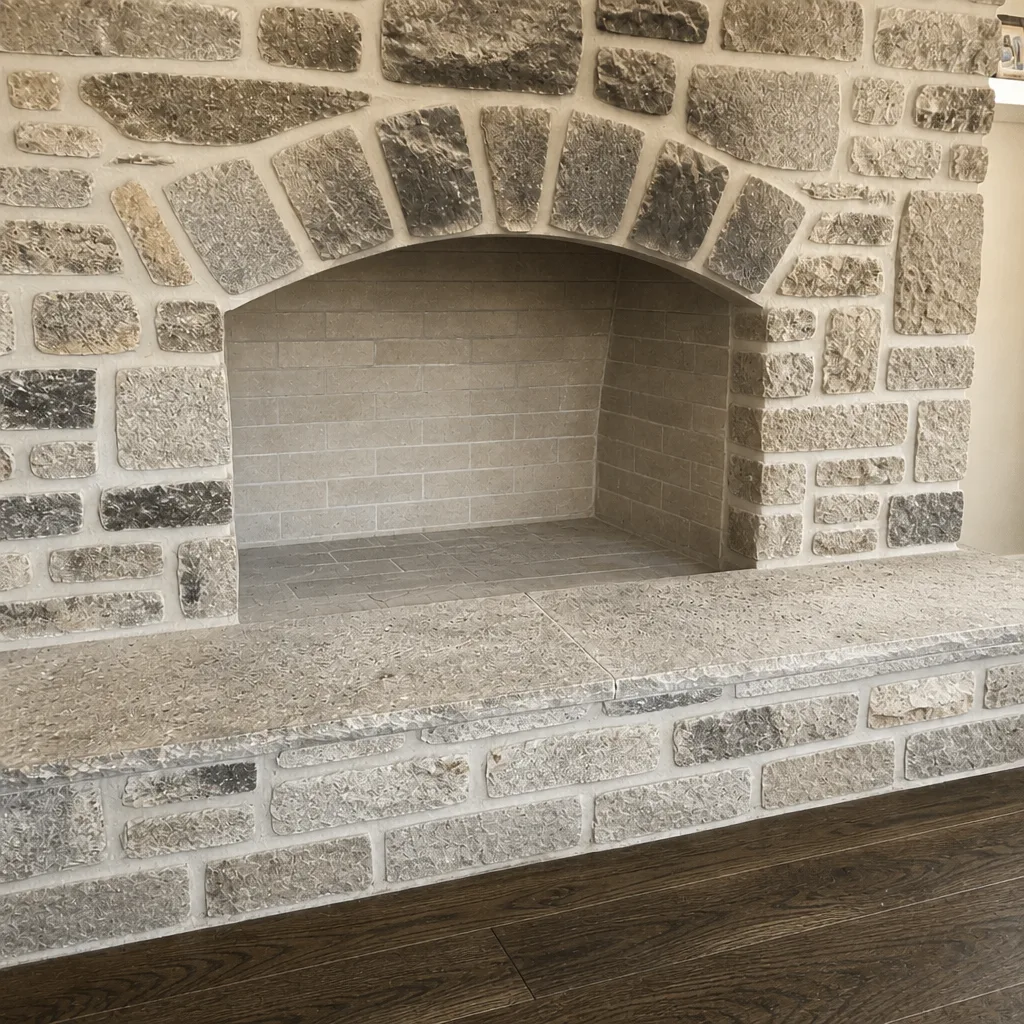
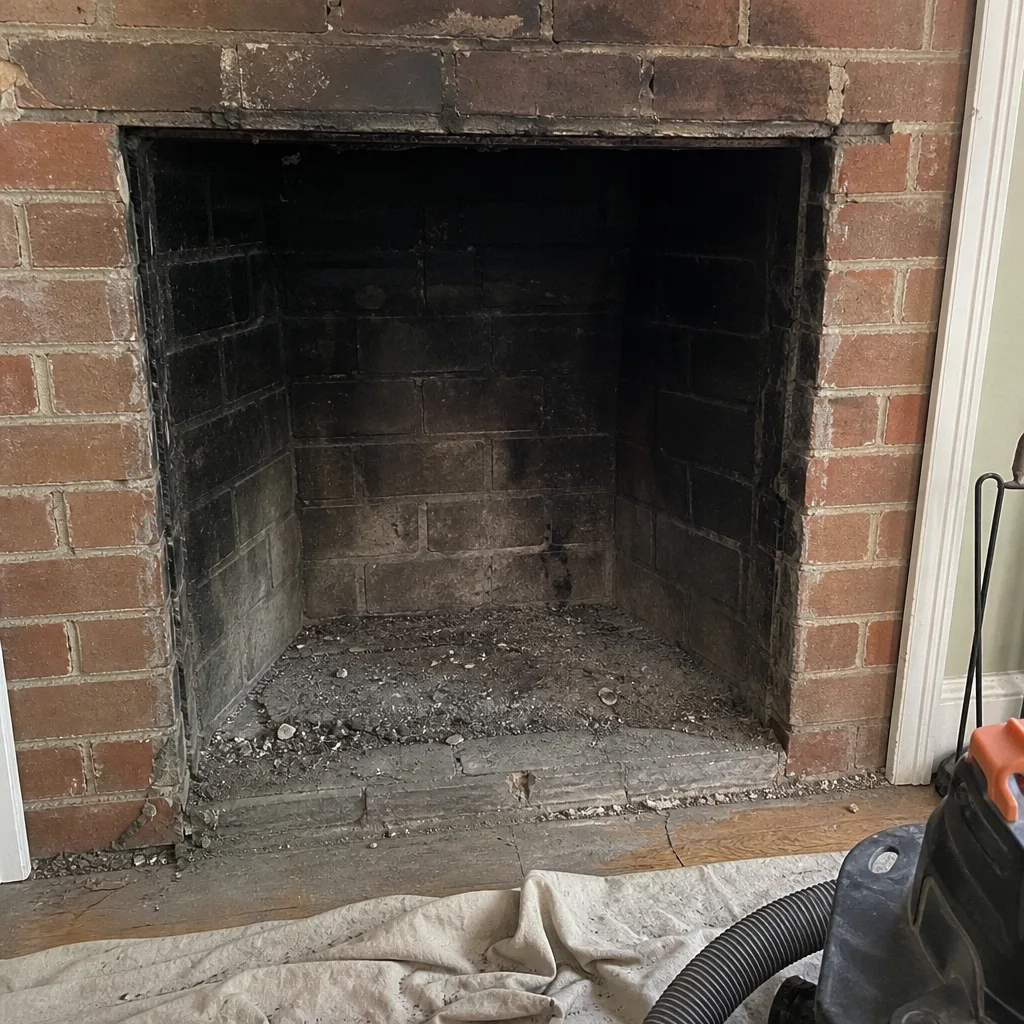
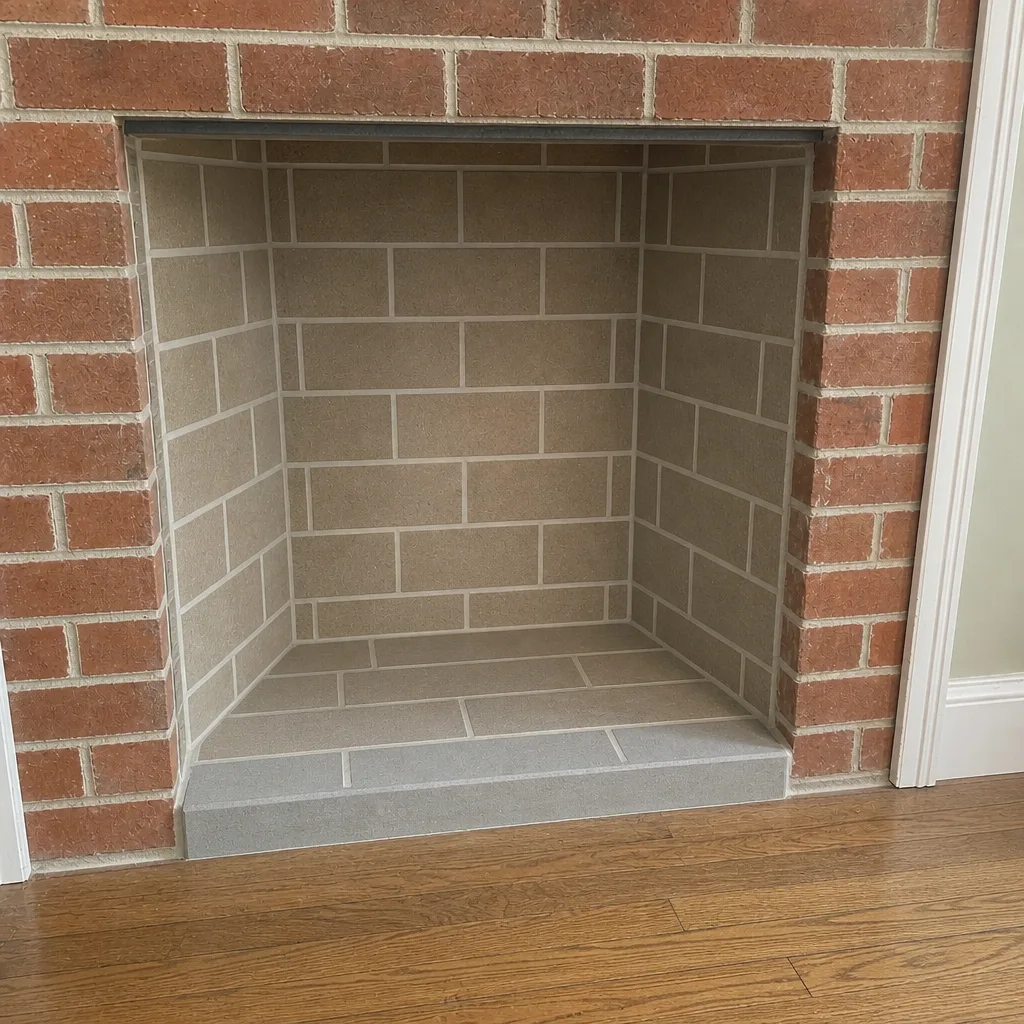
See the difference
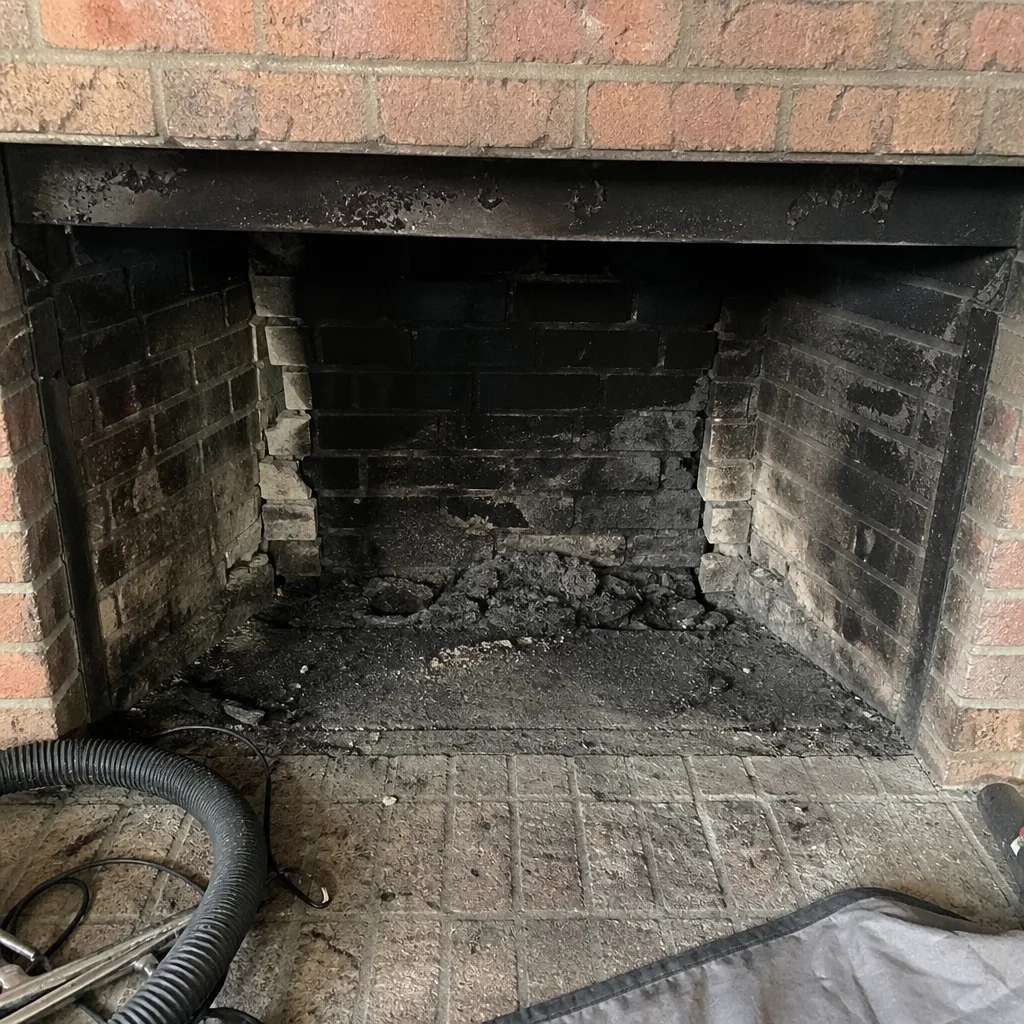 Before
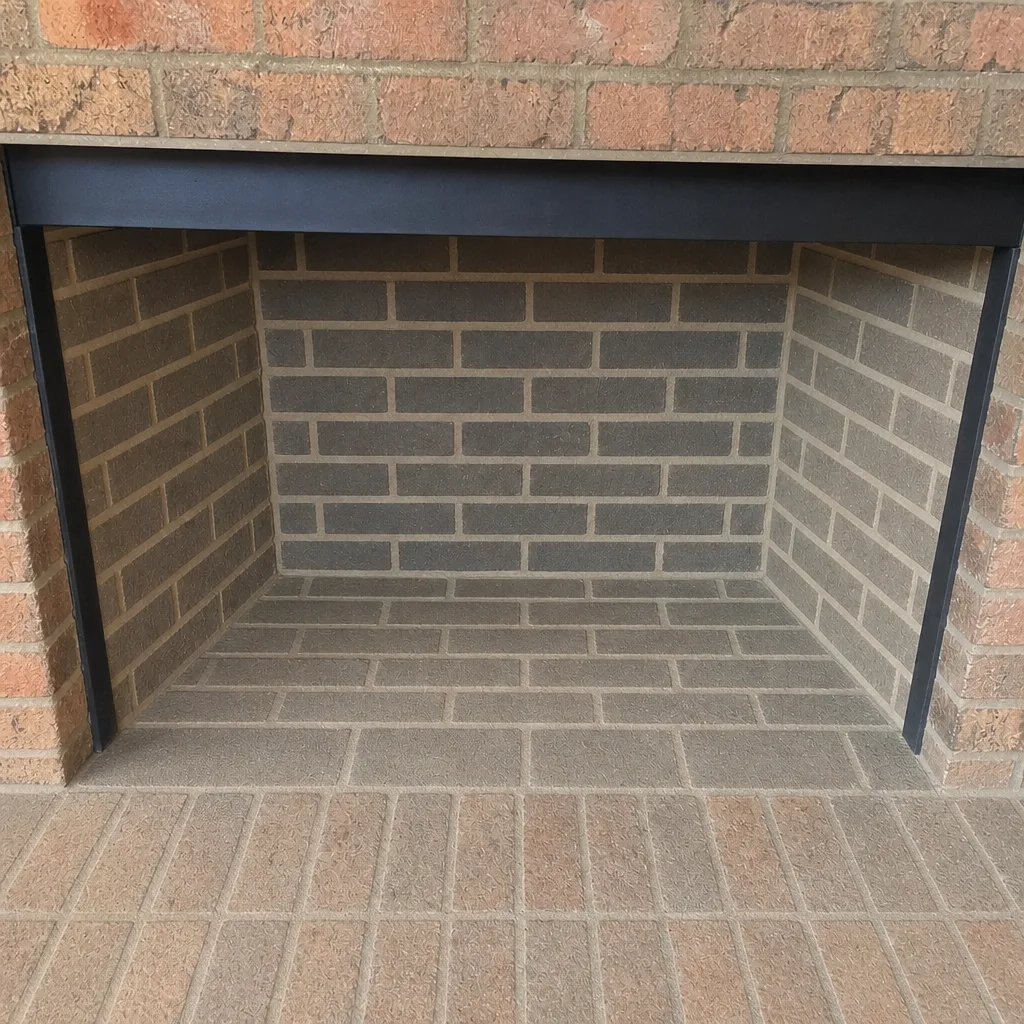 After
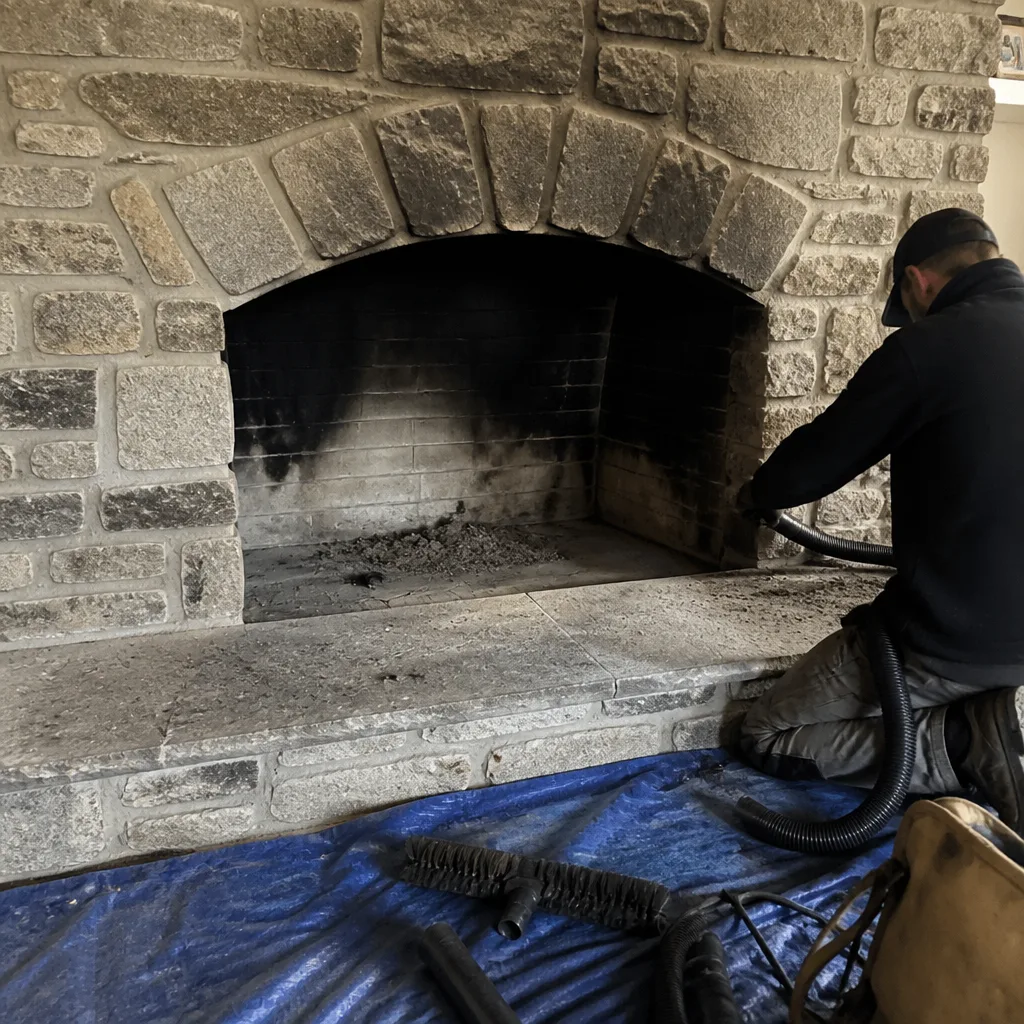 Before
 After
 Before
 After
When to Call a Professional
Call a professional if you’re planning any structural chimney work and you’re not sure whether it needs a permit, if you’ve bought or are selling a home in Highland Creek and don’t have documentation for past chimney work, or if you’ve had a chimney fire and haven’t had a Level 2 inspection since. Call if your firebox or flue shows damage and you want an honest read on whether resurfacing is enough or a full liner is the right answer. Call if your crown is cracked or your cap is missing – those are small fixes that prevent expensive ones. And call if you’re not sure whether the last contractor did the work properly. An inspection answers that plainly. Chimney Sweep Highland Creek offers free estimates in Highland Creek – call (855) 337-1327. We answer 24/7, with fast dispatch from 7am to 7pm, Sunday through Friday.
Frequently Asked Questions
No. Routine chimney cleaning and a Level 1 inspection are maintenance and do not require a permit in Highland Creek or anywhere in Mecklenburg County. Permits apply to structural work – liner replacement, firebox rebuilds, chase modifications, and changes to the venting configuration. If you’re not sure which category your job falls into, ask the contractor at estimate time. Call (855) 337-1327 for an exact quote – estimates are free.
Yes, in most cases. A full flue liner replacement is structural work under North Carolina building code and typically requires a permit through Mecklenburg County Code Enforcement. The permit should be pulled before the work begins, and the job should end with a county inspection sign-off. A contractor who does permitted relining regularly will confirm this without hesitation. Call (855) 337-1327 if you want to talk through what your specific job will require.
A sweep removes creosote, soot, and debris from the flue and firebox. An inspection evaluates the condition of the system and documents it. They’re different services, and a sweep without an inspection is a guess at whether the system is sound. We offer chimney inspections as a standalone service because real estate transactions, insurance requirements, and permit documentation all need a report independent of a cleaning. Call (855) 337-1327 to schedule either one – estimates are free.
Once a year is the standard for a wood-burning fireplace in regular use, typically paired with an annual sweep. Highland Creek’s climate – humid summers, damp winters, and repeated freeze-thaw swings – makes the annual crown and cap check worth doing alongside the flue inspection. If you’ve had a chimney fire, changed appliance type, or are buying or selling a home, a Level 2 inspection is the right call regardless of when the last one was done. Call (855) 337-1327 for an exact quote – estimates are free.
Ask for the permit number before work begins and confirm it against Mecklenburg County’s online permit lookup. The permit description should match the scope of the work being done, and the job should end with a county inspection sign-off before you make the final payment. If a contractor can’t produce a permit number on a job that requires one, that’s a reason to pause. Call (855) 337-1327 if you need help understanding what your job requires.
Yes. Unpermitted structural chimney work can complicate a claim if a chimney fire or carbon monoxide issue traces back to the installation, because the work isn’t documented as code-compliant. It can also surface during underwriting and home inspections at resale. The fix is straightforward: get permits on structural work, keep the records, and document routine maintenance with a dated inspection report. Call (855) 337-1327 if you want a professional inspection to establish the condition of your system.
The Bottom Line
The line between maintenance and modification is the whole game here. Chimney cleaning and Level 1 inspections in Highland Creek don’t need a permit. Liner replacements, firebox rebuilds, chase modifications, and venting changes do, and those permits go through Mecklenburg County. Ask about permits at estimate time, confirm the permit number before work begins, and don’t make the final payment until the county inspection is signed off. Keep the documentation – it’s the file that protects you at resale, at refinance, or after a claim. Knowing the difference costs nothing. Discovering it after the fact costs plenty. Call (855) 337-1327 for a free estimate on any chimney job.
Written by the team at Chimney Sweep Highland Creek.