
Last updated November 22, 2026
 Sweep & inspection
 Caps & crowns
 Flue relining
 Masonry repair
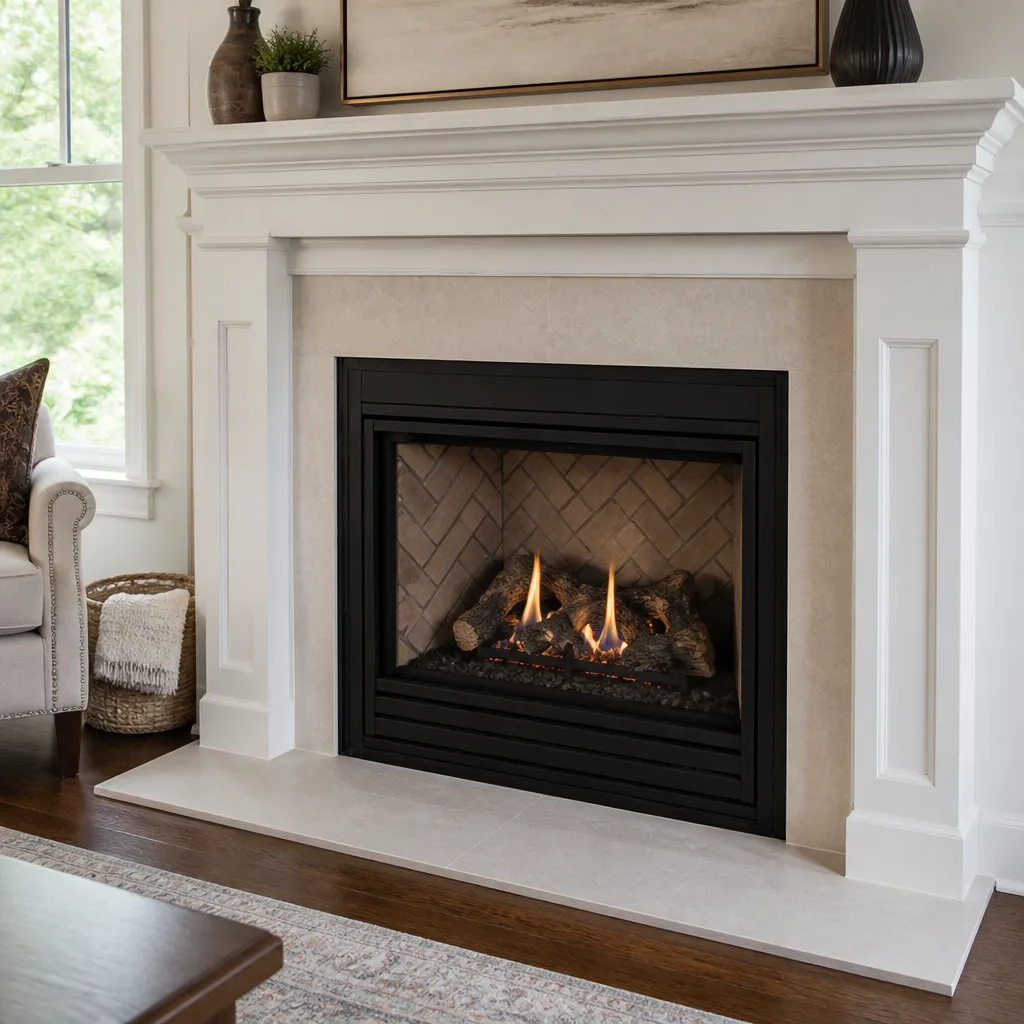 Gas fireplace service
Level 1 sweep and inspection to the NFPA 211 annual standard - flue, crown, cap, and flashing checked and photographed
Chimney sweep logs do not sweep chimneys. They loosen some creosote - which then falls where a brush and vacuum still have to collect it.
Seasonal Chimney Cleaning Care for Highland Creek: Year-Round Homeowner’s Guide
Everyone thinks about the chimney in October. That’s backwards. The season that does the most quiet damage to a chimney system in Highland Creek is summer, when warm, humid air soaks into masonry that spent all winter heating up and cooling down, and almost nobody looks at the crown or the firebox until the first cold snap. By then the small crack has had three months to widen. A chimney isn’t a single appliance you clean once a year; it’s a system with a flue, a liner, a firebox, a crown, and a cap, and each part runs into trouble on its own schedule. This guide breaks the year into the four stress periods this climate actually creates and tells you what to check and when to book help, so you’re not guessing in Highland Creek.
Quick Answer
Seasonal chimney care in Highland Creek works best on four windows, not one: spring for post-season moisture assessment, summer for masonry and crown protection during the humid stretch, late September to October for the cleaning and inspection that protects your burn season, and mid-winter for a creosote check if you burn heavily. A professional sweep and inspection belongs in the fall before the first fire, while the moisture and masonry checks belong in the warm months when damage is actively happening. Doing only one annual visit leaves three seasons of exposure unmanaged.
Styles & brands we work with
- Sweep & inspection
- Caps & crowns
- Flue relining
- Masonry repair
- Gas fireplace service
Table of Contents
- Why Highland Creek Has Four Chimney Seasons, Not Two
- What Happens Inside a Chimney During Highland Creek Summers
- The Pre-Burn Window: September and October
- How Winter Burn Patterns in This Region Affect Creosote
- Spring: Post-Season Moisture Assessment
- Coordinating Owner Checks With Professional Visits
- Your Year-at-a-Glance Task Calendar
- When to Call a Professional
Why Highland Creek Has Four Chimney Seasons, Not Two
Most chimney advice is written for a two-season climate: a long burn season and a short break. Highland Creek doesn’t really work that way. Our winters are cold enough for steady fireplace use, our springs swing between wet and dry, our summers run humid for months, and our falls are mild and drawn out. That gives the chimney system four very different environments in a single year, and it responds to each one differently.
Here’s the part that gets overlooked. A chimney is built to handle heat and exhaust. It is not built to handle standing moisture. During the burn season, the heat inside the flue keeps masonry relatively dry and drives off small amounts of water. During the humid months, nobody is burning, and the masonry absorbs moisture it has no way to shed except slowly through the air. That shift is why a chimney that looked fine in February can show a spalled brick or a widened crown crack by August.
- Burn season stress: creosote accumulation, thermal cycling, and condensation inside the flue.
- Warm-season stress: moisture absorption, crown and flashing wear, and animal nesting in an open flue.
- The transition periods: temperature swings that open small cracks into bigger ones.
- Year-round: water, either from the top through a failing crown or from the bottom through a missing cap.
Treating this as a single annual event means you’re mostly reacting. Mapping the four periods means you’re mostly preventing. That’s the whole idea behind splitting your chimney care into distinct seasonal tasks in Highland Creek.
What Happens Inside a Chimney During Highland Creek Summers
Summer is when chimney masonry absorbs the most moisture, and it’s the season most homeowners ignore the chimney completely. Warm, humid air holds a lot of water, and masonry is porous. Bricks, mortar joints, and the crown all take on moisture over weeks of high humidity, then release it slowly when the air dries. When that cycle repeats, water gets into places it shouldn’t, and the material starts to break down from the inside.
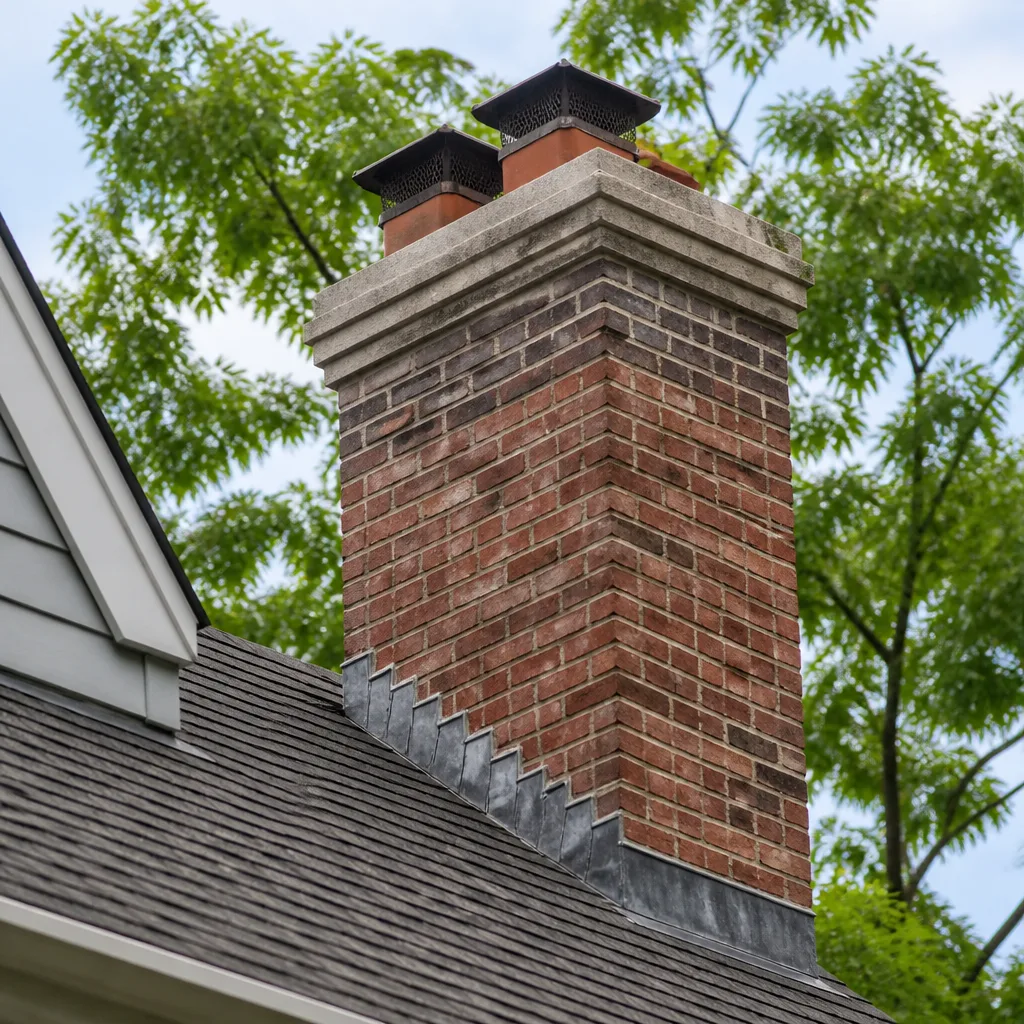
The crown at the top of the chimney is the first thing to suffer. It’s a concrete cap that sheds water away from the masonry below. A hairline crack that would be invisible in the dry cold becomes a channel in summer, letting water run straight into the brickwork and down toward the firebox. This is exactly the kind of damage that a simple visual check at the top of the chimney catches early, long before it turns into a rebuild.
Three things happen inside a Highland Creek chimney over a humid summer:
- Moisture absorption into masonry. Bricks and mortar take on water and hold it, and freeze-thaw in the following winter turns that water into spalling.
- Crown and flashing cracking. Small cracks open further as the crown heats and cools day after day.
- Nesting and debris. An uncapped flue is a chimney swift or squirrel hotel, and a blocked flue is a carbon monoxide hazard the moment you light a fire.
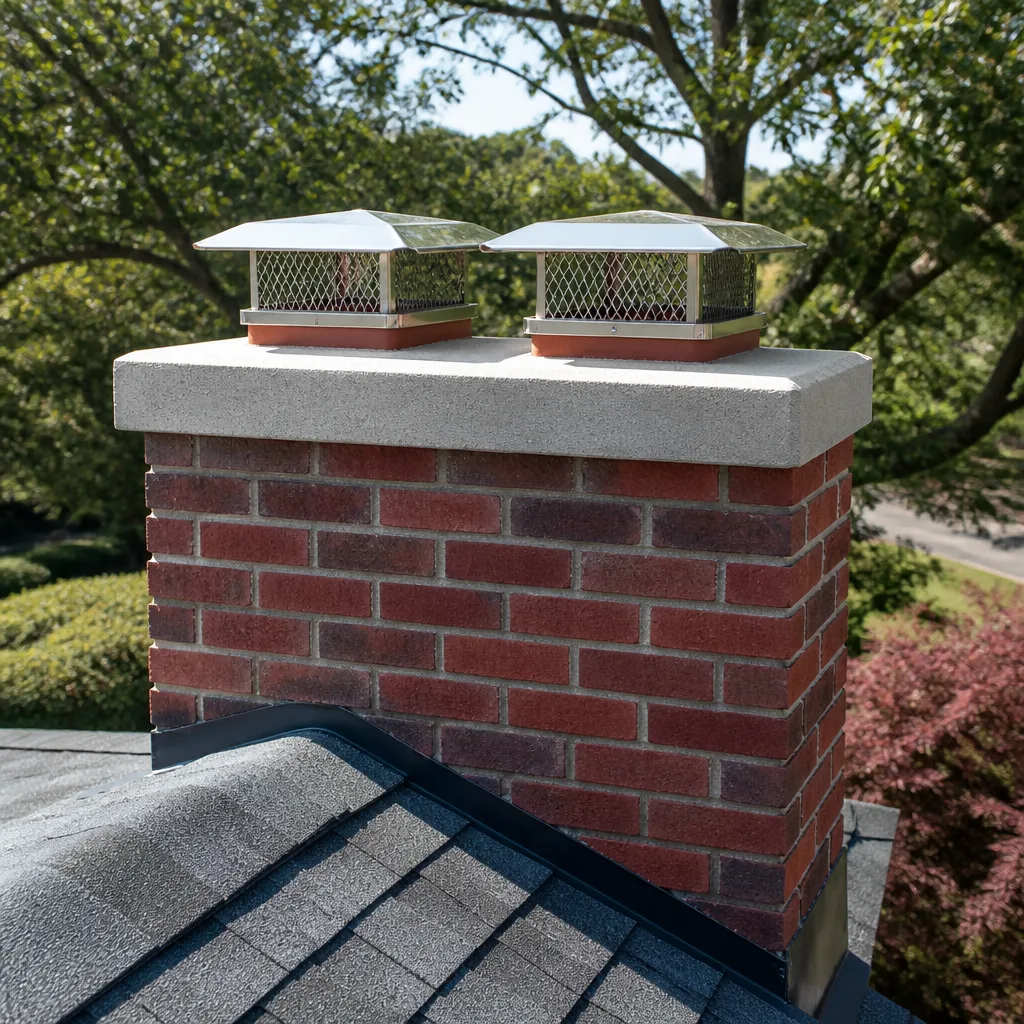
What to do about it? Schedule a summer inspection if you haven’t had one, get a cap installed if your flue is open, and seal or repair a cracked crown while it’s still a small job. This is where a chimney cap & crown visit earns its keep. A properly fitted cap and a sound crown keep summer moisture out of the flue for the whole humid stretch, and they cost far less than repairing the masonry that moisture reaches when they’re missing. We use Gelco and Olympia Chimney components for this work because they hold up to the seasonal swings this region throws at them. If your flue has no cap going into summer in Highland Creek, that’s the single highest-return chimney task on this entire list.
The Pre-Burn Window: September and October
September and October are the highest-leverage weeks of the chimney year in Highland Creek. This is the window when you can still find a problem and fix it before the first fire, rather than discovering it with a house full of smoke on a cold night. The summer moisture has mostly cycled out, the heat hasn’t started yet, and the flue is clear enough to inspect properly. If you do one professional visit a year, put it here.
A pre-burn visit is a sweep plus an inspection. Not one or the other. A cleaning alone removes what’s there but tells you nothing about the liner, the crown, the flashing, or the firebox. An inspection alone tells you the condition but leaves the creosote from last season in place. Together they set you up for the burn season with a clean flue and a real picture of the system’s health.
- Book the visit. Call ahead in late August or early September. This is the busiest month for any chimney specialist in Highland Creek, and the schedule fills as the first cold spell approaches.
- Get the sweep done first. A clean flue is what makes the inspection meaningful.
- Walk through the inspection findings. You should see photographs and hear a plain explanation of what’s fine, what’s wearing, and what can wait.
- Handle the small repairs now. A cap, a crown touch-up, or a firebox patch done in October costs less than the same problem discovered in January.
- Do a first-fire test the safe way. Before your first real burn, open the damper, check that the flue is drafting, and make sure your smoke and carbon monoxide detectors work.
When you book, a chimney sweep and inspection scheduled for early fall should leave you with a written account of the system and a plan for anything that needs attention. Ask for that in writing. Any chimney specialist who can’t tell you what they found and what it means hasn’t done the job properly.
How Winter Burn Patterns in This Region Affect Creosote
Winter creosote build-up in Highland Creek depends less on how many fires you light and more on how you light them. Cool, moderate winters mean a lot of fires burned low and slow, often overnight, with the damper partially closed to make the wood last. That’s the single biggest driver of creosote. A fire that burns cool and smolders sends unburned gases up the flue, and those gases condense into creosote on the cooler flue walls. A hot, well-fed fire sends most of that up and out and leaves very little behind.
That distinction matters for scheduling. Two households with the same number of fires in a season can have wildly different creosote loads depending on how they burn, and on what they burn. Dry, seasoned hardwood produces far less creosote than unseasoned wood or construction scraps. If you burn hot fires with good wood, a pre-season cleaning may carry you through the whole winter. If you run long smoldering overnight fires, mid-season attention starts to make sense.
Use these signals to decide whether a mid-winter check is warranted in Highland Creek:
- You’ve burned more than a cord of wood since the fall cleaning. Volume alone doesn’t tell you the creosote load, but it justifies a look.
- Your fires tend to smolder. Long, slow, overnight burns are the classic creosote builder.
- The fire doesn’t draft well. Weak draft often means restricted or partially blocked flue, which is both a creosote and a carbon monoxide concern.
- You hear a low rumble or see glowing on the flue during a fire. Stop burning and get professional eyes on it. That pattern can point to a chimney fire, and chimney fires can go out without you noticing they happened.
- There’s an obvious glaze or crust on the flue throat or damper. That’s the beginning of the harder-to-remove glazed creosote.
None of this is meant to scare you off burning. A fireplace is meant to be used. The point is that a mid-season look is cheap and a chimney fire is not, and if your burn habits are in the low-and-slow category, the check is worth scheduling. We answer 24/7 if you ever smell smoke in the house with no fire going, or your carbon monoxide alarm sounds.
Spring: Post-Season Moisture Assessment
Spring is your window to catch the water damage before it takes hold for the year. The burn season is done, the flue has cooled, and the moisture problems that started in winter can be seen clearly. What you’re looking for now isn’t creosote; that was handled in the fall. You’re looking for the signs that water got in over the winter and stayed.
The freeze-thaw cycle is what does the damage. Water gets into a brick or a mortar joint, freezes overnight, expands, then thaws. Each cycle widens the crack a little more. By spring, you can see the result in a few recognizable ways:
- Spalling on the exterior stack. Brick faces flaking or popping off, especially on the side that catches the most weather.
- White, chalky stains on the masonry. That’s efflorescence, mineral deposits left behind as water evaporates through the brick, and it’s a sign of moisture moving through the chimney.
- Rust on the damper, the firebox, or the flue components. Rust inside a chimney means moisture, and moisture inside a chimney means the liner is worth a close look.
- A cracked or crumbling crown. Check the top from the ground with binoculars, or have it checked during an inspection.
- Loose or stained flashing at the roof line. The flashing is where most roof leaks around a chimney begin.
A spring inspection catches these early. If the crown has cracked, that’s a crown repair, not a rebuild. If a firebox has lost mortar, a HeatShield ceramic resurfacing can restore it without replacing the whole thing, and that’s a repair most sweep-only operations simply don’t offer. If the masonry is sound and the only issue is a missing cap, a spring cap install protects the whole system through the humid months ahead. The rule of thumb: repair the water pathway in spring, clean the flue in fall, and the two visits together do more for the chimney than a single deep clean ever could. Our technicians have up to 13 years of experience reading these seasonal patterns in Highland Creek.
Coordinating Owner Checks With Professional Visits
The most useful thing a homeowner can do between professional visits is know what to look at and what to leave alone. Some checks are safe from the ground and inside the house. Some are not. Knowing the difference is how you avoid injury and still catch problems early.
A quick rule to organize your year of checks:
- Ground-level exterior check, every few months. From the ground, binoculars in hand, look at the crown, the cap, and the masonry for visible cracks, missing pieces, or white staining. No climbing.
- Interior check before and after each burn season. Look in the firebox for loose mortar, cracks, or a damper that sticks. Check for smoke staining around the damper, which points to a draft problem.
- Listen and smell. A properly operating chimney doesn’t smell of smoke inside the house when there’s no fire, and it doesn’t rumble. Either is a reason to call.
- Schedule the two professional visits. The spring moisture assessment and the fall sweep plus inspection are the backbone of the year.
- Leave the roof and the flue interior to a professional. Steep-roof work and anything that involves being on top of the chimney or reaching down the flue should be done by a trained chimney technician, not by a homeowner with a ladder.
Where do the professional visits fit in Highland Creek? We’re a full-service chimney specialist – sweeping, inspection, fireplace repair, chimney repair, and cap and crown – so the seasonal care tasks can all be handled by one technician instead of three separate contractors. That matters most in spring, when a single visit might uncover a crown crack, a worn firebox, and a loose cap all on the same chimney. One visit, one written report, one plan. An inspection can also be booked as a standalone service if you’re buying or selling a home and would rather not bundle the cleaning.
Your Year-at-a-Glance Task Calendar
Here’s the whole seasonal picture in one place. Use this as the spine of your chimney care in Highland Creek. The tasks are grouped by when they matter most, not by when they’re easiest to schedule.
| Season | What the Chimney Is Dealing With | Task to Schedule |
|---|---|---|
| Spring (post-burn) | Water that got in over winter, spalling, rust, crown wear | Spring inspection, moisture assessment, crown or flashing repair if needed |
| Summer (humid) | Masonry absorbing moisture, cracked crown, nesting in open flues | Cap installation, crown sealing, firebox or flue resurfacing if worn |
| Fall (pre-burn) | Creosote from last season, condition of liner, cap, and firebox | Sweep plus inspection, written report, small repairs before the first fire |
| Winter (burn season) | Creosote accumulation, thermal cycling, draft issues | Mid-season check if you burn heavily or run low, smoldering fires |
Two of those tasks, the spring inspection and the fall sweep plus inspection, are the ones worth marking on the calendar. The summer and winter tasks are conditional: schedule them when you see a sign that something’s off, or when your burn habits point to a heavier load. If you have to prioritize, do the fall visit first, because it’s the one that protects both your safety and your ability to actually use the fireplace. Then, if you can, add the spring visit. The two together turn an annual guess into a year-round plan.
There is one more reason to keep an eye on the system in spring. If your home is on the market or you’re renewing a homeowner’s insurance policy, an inspection may be requested on its own. We offer inspections as a stand-alone service for exactly this reason, separate from a sweep. It’s also the right time to look at the big picture: if the firebox has been patched with mortar more than once, or the liner is showing cracks or gaps, spring is when a fireplace repair goes smoothly, before the first fire of the following season puts the repair under stress. And when we’ve got the chimney open, we use professional-grade material from HeatShield, Gelco, Olympia Chimney, and Famco where each one is right for the job. Our technicians have up to 13 years of experience matching the repair to the actual condition of the system, not to a one-size template.
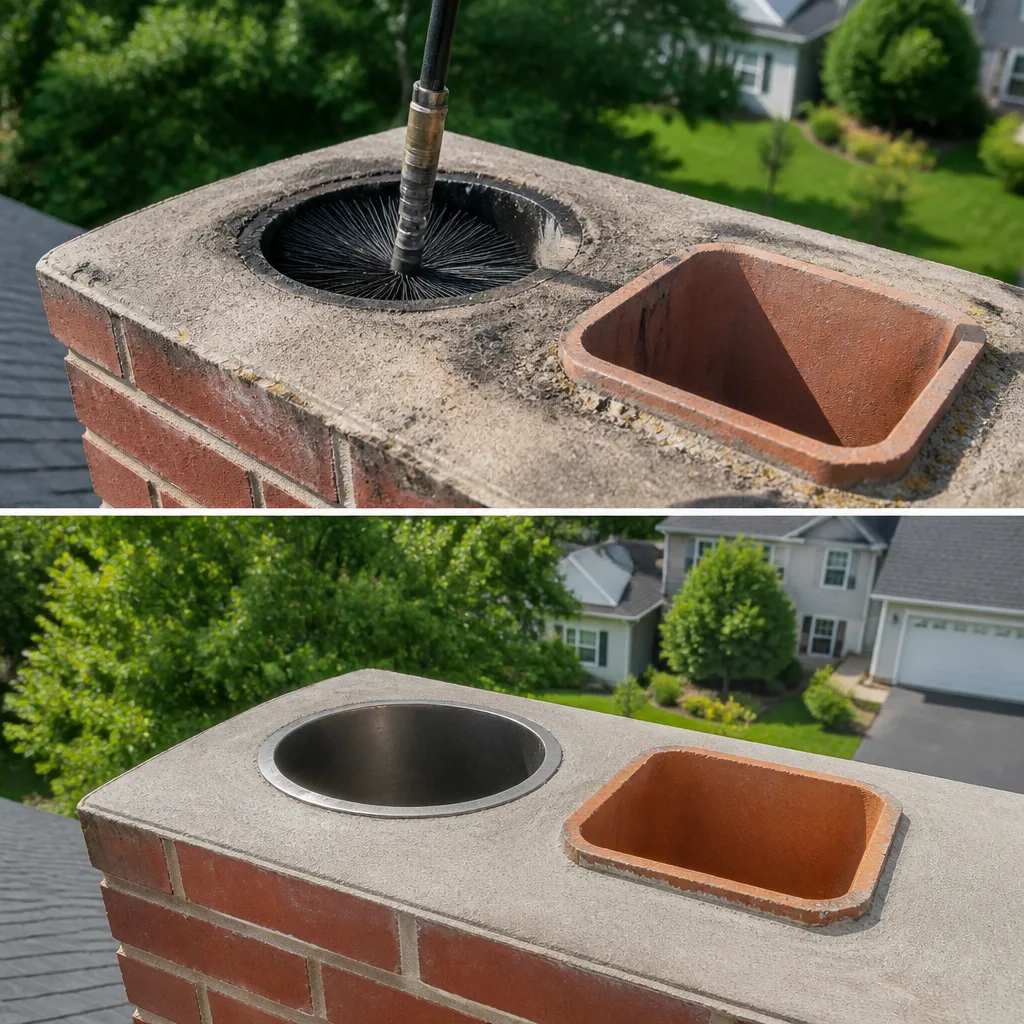
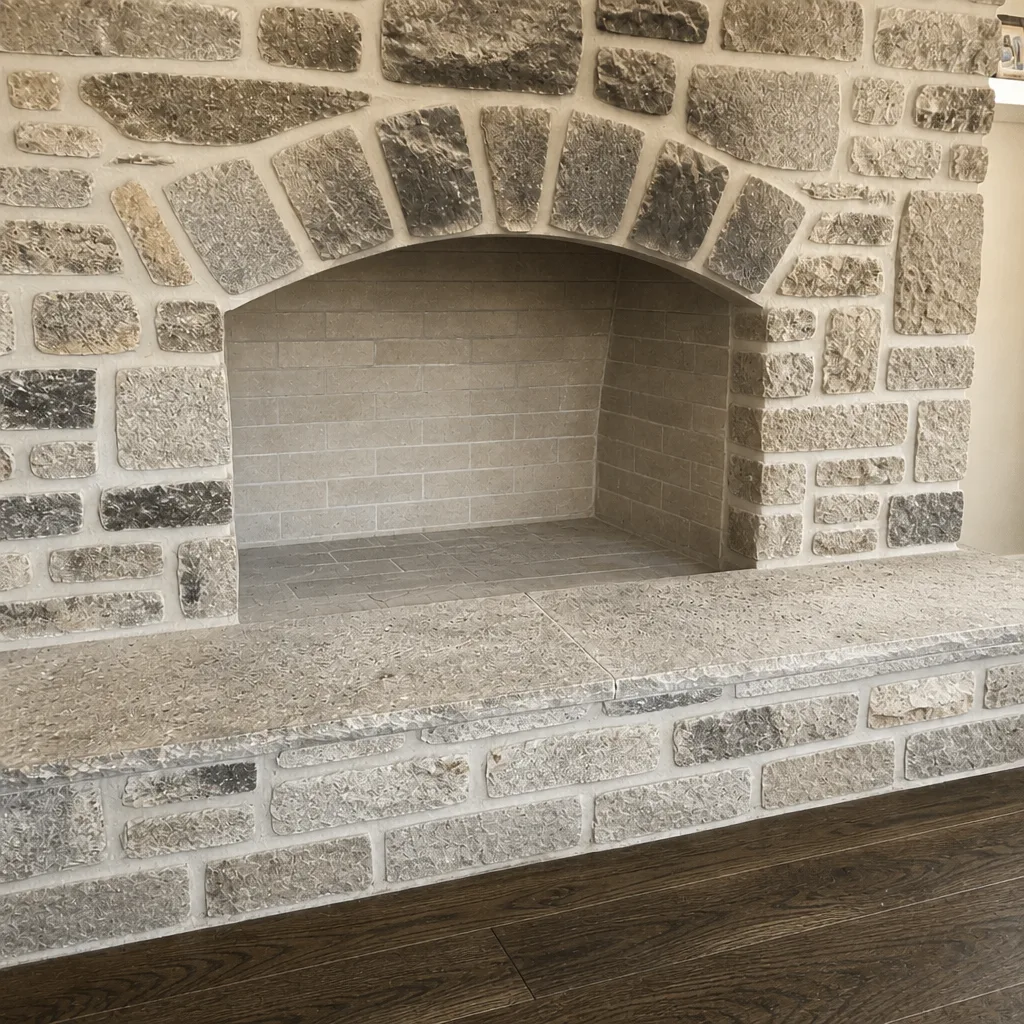
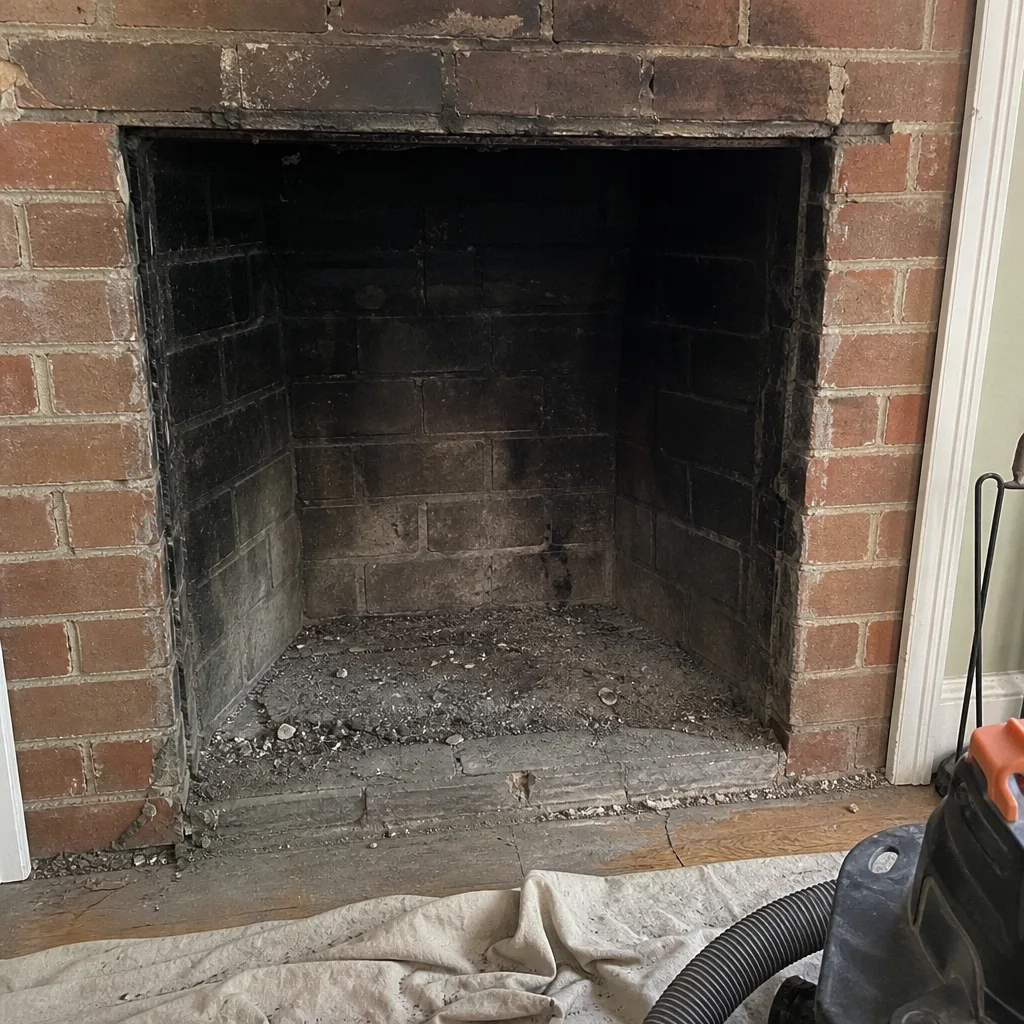
See the difference
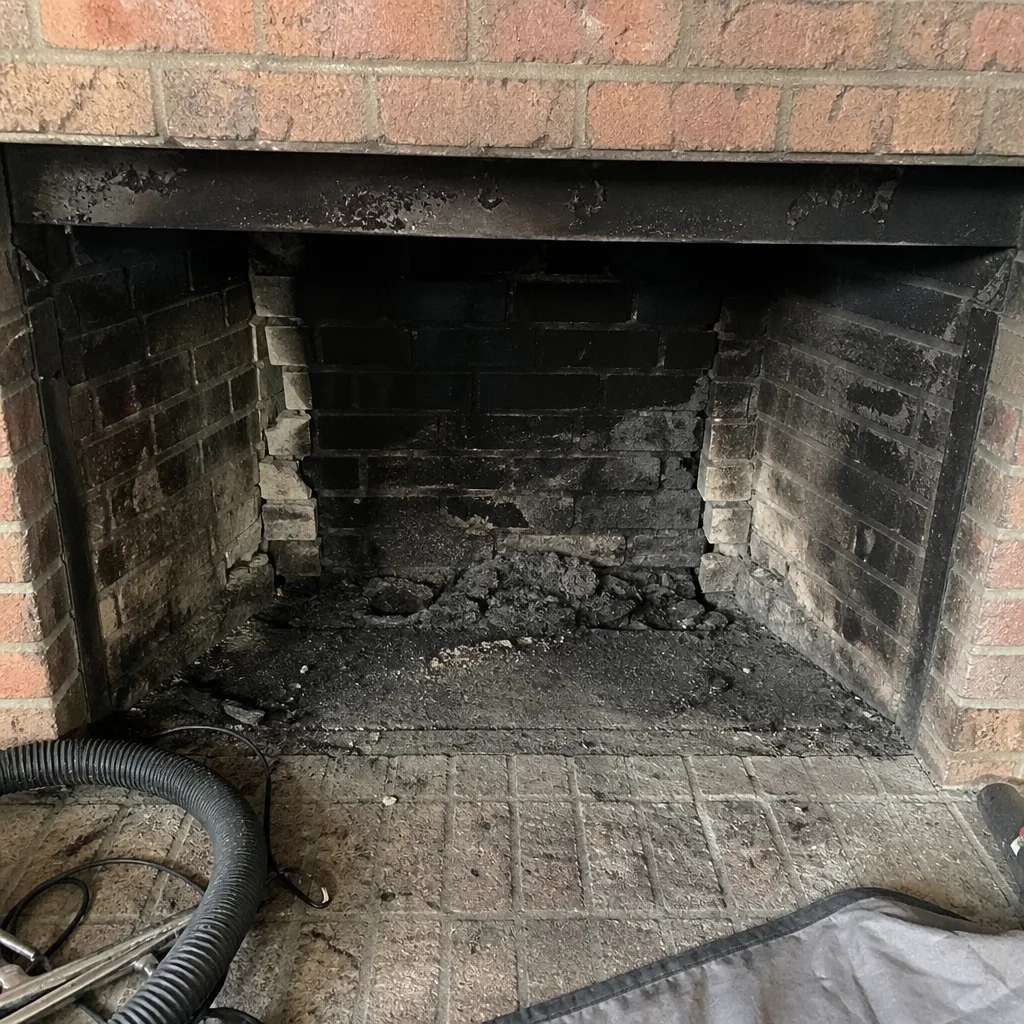 Before
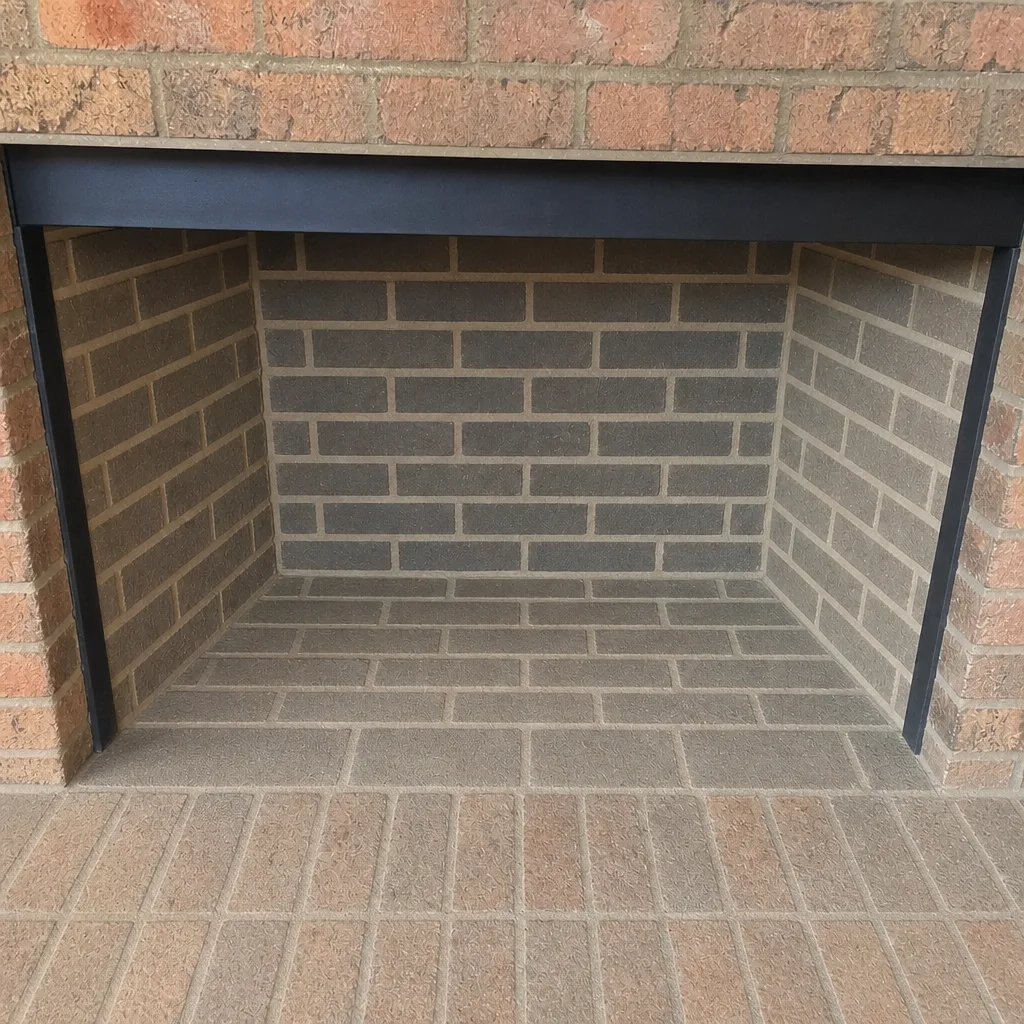 After
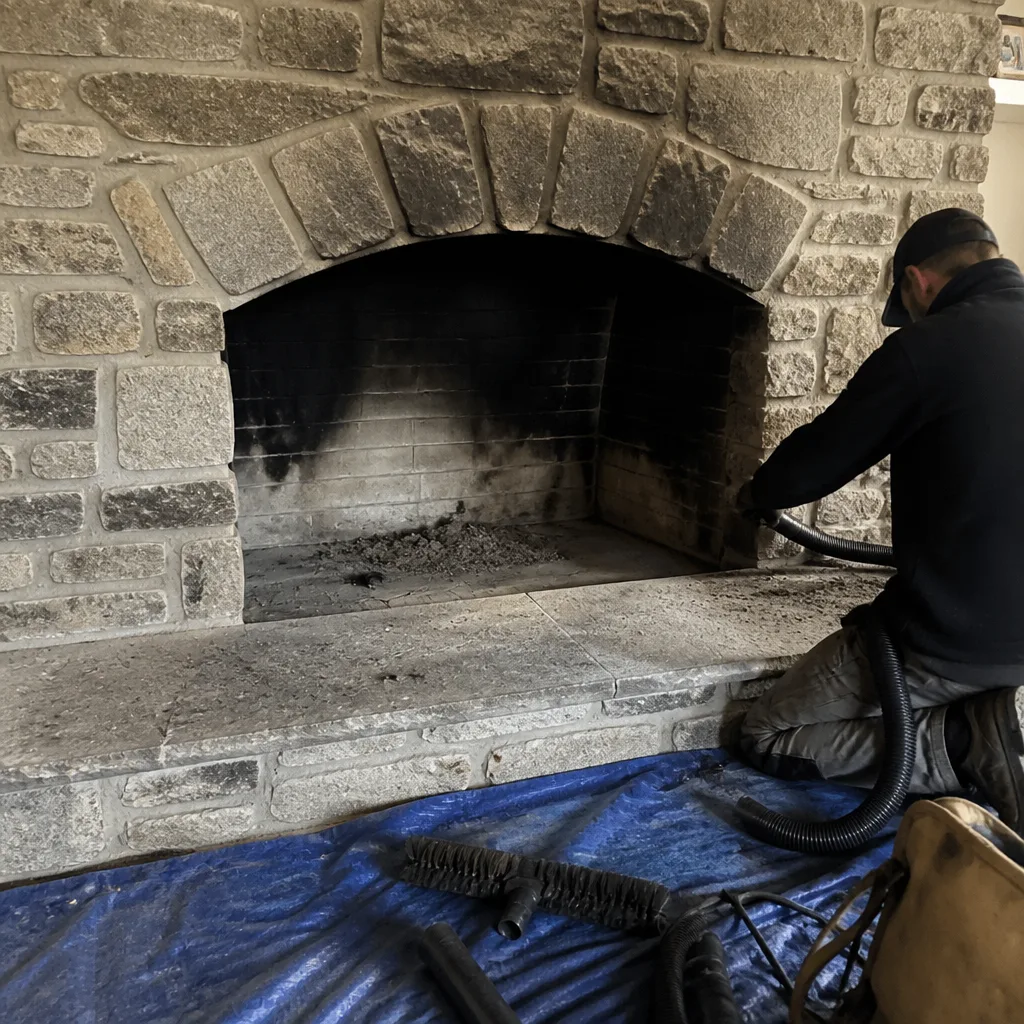 Before
 After
 Before
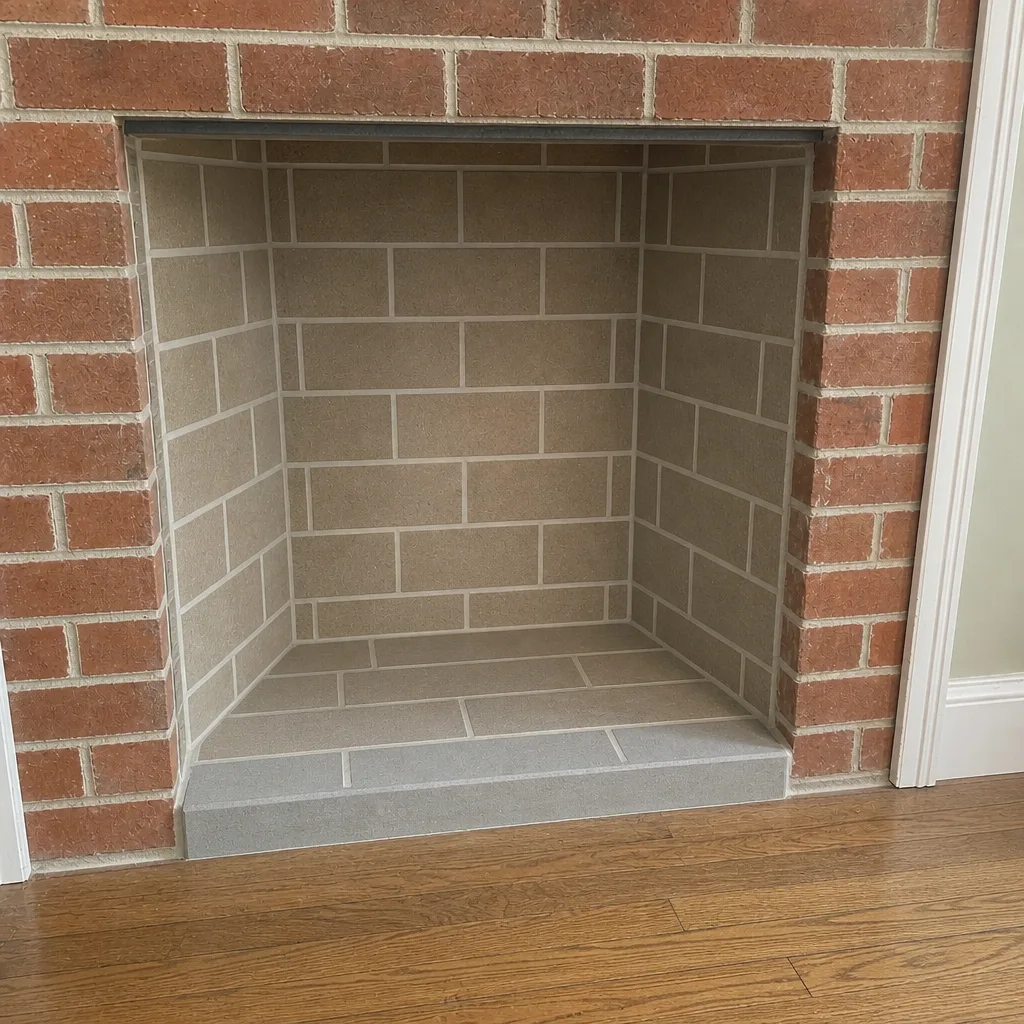 After
Common Mistakes to Avoid
- Treating the annual sweep as the whole plan. A fall sweep cleans the flue, but it doesn’t protect the crown or the masonry during the humid months. A year-round plan covers both, and the second half of it, the warm-weather part, is where most damage actually starts.
- Ignoring the chimney in summer. Summer is when Highland Creek masonry absorbs the most moisture. Skipping the summer check means the crack you could have sealed in July turns into replacement work the following spring.
- Waiting until the first cold snap to book. The pre-burn window is late September through October, and it is the busiest stretch of the chimney year in Highland Creek. Booking in late August gets you the slot; booking after the first frost usually doesn’t.
- Getting a sweep without an inspection. A clean flue says nothing about the liner, the crown, or the firebox. A sweep without an inspection is a guess; a sweep plus an inspection gives you an actual picture of the system.
- Burning unseasoned wood to “make it last”. Wet wood burns cool and slow and lays down more creosote than dry hardwood. If your wood has been split for less than a full drying season, it isn’t ready, and your flue pays for it.
- Climbing up to “have a look” at the crown yourself. A steep roof and a chimney top are a poor combination for a homeowner with a ladder. A ground-level check with binoculars is safe and catches most visible problems; the roof itself is a professional’s job.
- Patching a firebox with mortar and calling it done. Repeated mortar patches rarely hold, and a crumbling firebox is often a moisture problem coming from above. Fix the water pathway first, then do the firebox repair properly.
When to Call a Professional
Some chimney work is routine and can be scheduled at the season’s natural pace. Some of it shouldn’t wait at all. Call a professional quickly if you smell smoke inside the house with no fire lit, if your carbon monoxide alarm sounds, if you hear a low rumble from the chimney during a fire, or if you see glowing on the flue. Stop using the fireplace in any of those cases and call. Also call if you see cracked or missing bricks on the exterior stack, if the crown has a visible crack, if the firebox has lost mortar, or if the damper won’t open fully. And call if it’s been more than a year since your last inspection, or if you’ve just moved into a home in Highland Creek and don’t know the chimney’s history. Chimney Sweep Highland Creek offers free estimates in Highland Creek – call (855) 337-1327. We answer 24/7 with fast dispatch from 7am to 7pm, Sunday through Friday.
Frequently Asked Questions
Once a year for most households that burn regularly, ideally in the pre-burn window of September through October. If you burn more than a cord of wood a season, or you run long, low, smoldering fires, a mid-winter check is worth adding. Call (855) 337-1327 for an exact quote – estimates are free.
Two things, and neither is dramatic at first. Creosote builds up in the flue and raises your chimney fire risk, and moisture works its way into the masonry and crown all summer, quietly widening small cracks into repairs. The problems are cheap to catch in the off-season and expensive to find in January. Call (855) 337-1327 to get the system checked before the season turns.
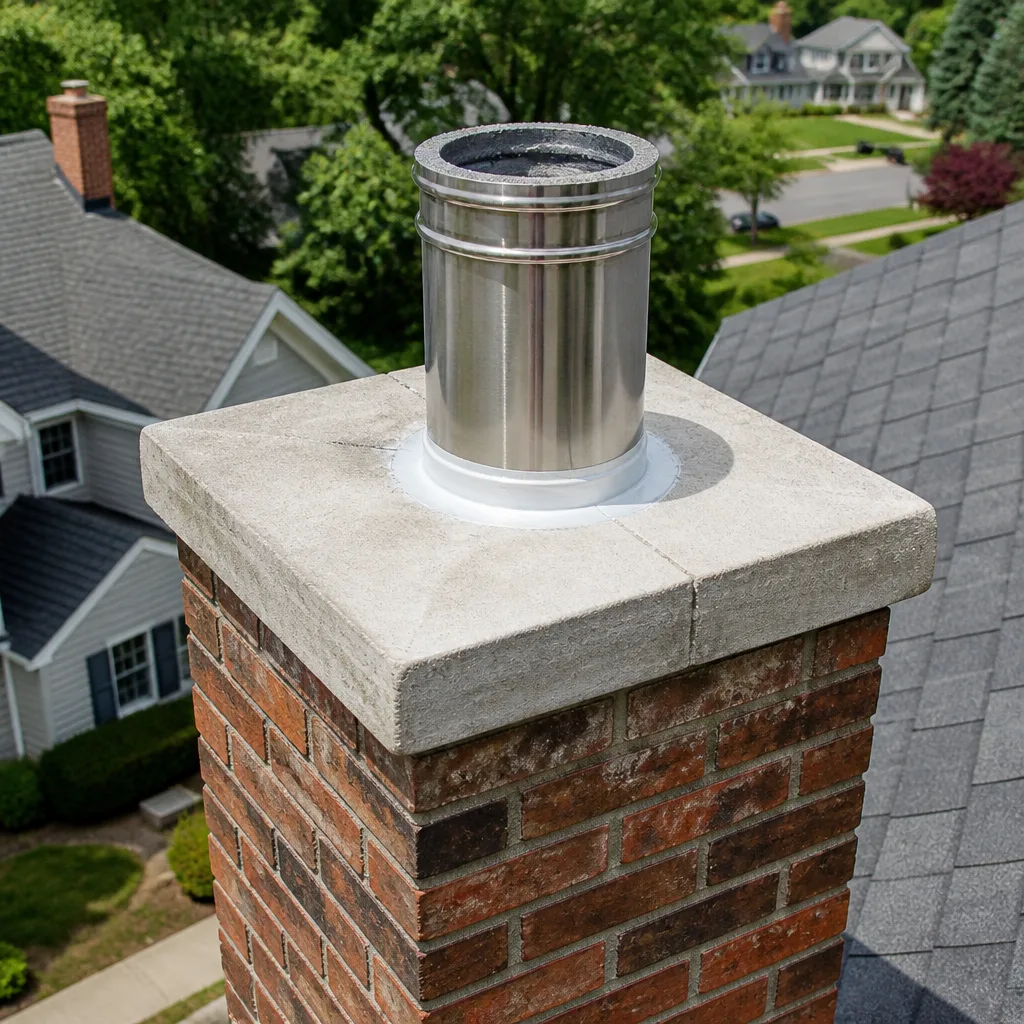
Not usually, and nobody should tell you otherwise without evidence you can see for yourself. Some liner problems are repairable in place with a ceramic resurfacing system rather than a full replacement, and some worn systems genuinely do need new lining. A camera inspection and photo report tells you which. Call (855) 337-1327 and ask what was actually found and what it means before you agree to anything.
Because summer humidity is when masonry absorbs the most moisture and the crown is under its heaviest stress. With no fire in the flue, there’s nothing driving moisture back out, and cracks that would stay small in the dry cold widen in the humid heat. A summer cap and crown check is the highest-leverage warm-weather task on the calendar. Call (855) 337-1327 if you haven’t had one.
Often yes, and an inspection can be booked as a stand-alone service if a buyer or your insurer asks for one. You don’t have to bundle it with a cleaning. Call (855) 337-1327 to schedule it around the sale.
Each service is priced per job with a free written estimate, so you know the number before any work starts. The cost depends on the size of the access, how much creosote is present, and whether any crown, cap, or firebox work is needed. Call (855) 337-1327 for a free estimate and a written quote – no surprises.
The Bottom Line
Chimney care in Highland Creek isn’t one appointment a year. It’s four seasons of different tasks aimed at different threats. Fall is the sweep and inspection that protect your burn season. Spring is the moisture assessment that catches what winter did. Summer is the cap, crown, and masonry work that stops water before it becomes a rebuild. Winter is the conditional check when your burn habits call for it. Do the fall and spring visits at minimum, keep a ground-level eye on the crown and cap the rest of the year, and leave the roof and the flue interior to a trained technician. If you’re not sure where to start, call (855) 337-1327 for a free estimate. We answer 24/7 with fast dispatch from 7am to 7pm, Sunday through Friday. Chimney Sweep Highland Creek is your Chimney Sweep Highland Creek team for sweeping, inspection, fireplace repair, chimney repair, and cap and crown work, all in one place.
Written by the team at Chimney Sweep Highland Creek.